Sourcing Furniture from Spain and Europe: A Practical Guide
· 6 min read · Polski · ES · Українська
To source furniture from Spain and other European countries, define what you need, order samples, check lead times and materials, confirm delivery terms and who inspects goods, and plan storage on arrival. Inside the European Union goods move freely, but packaging, transport, insurance and responsibility must be agreed in writing.
Key takeaways
- Decide the style, dimensions and budget level before you start looking.
- Spain offers strong craft in ceramics, lighting, wood, textiles and upholstery.
- Ask about lead time, materials, finishes and warranty for each item.
- Agree who arranges transport, insurance, delivery and inspection of goods.
- Plan the delivery date to match the building works, so goods do not wait in damp rooms.
Why source furniture from Spain and Europe?
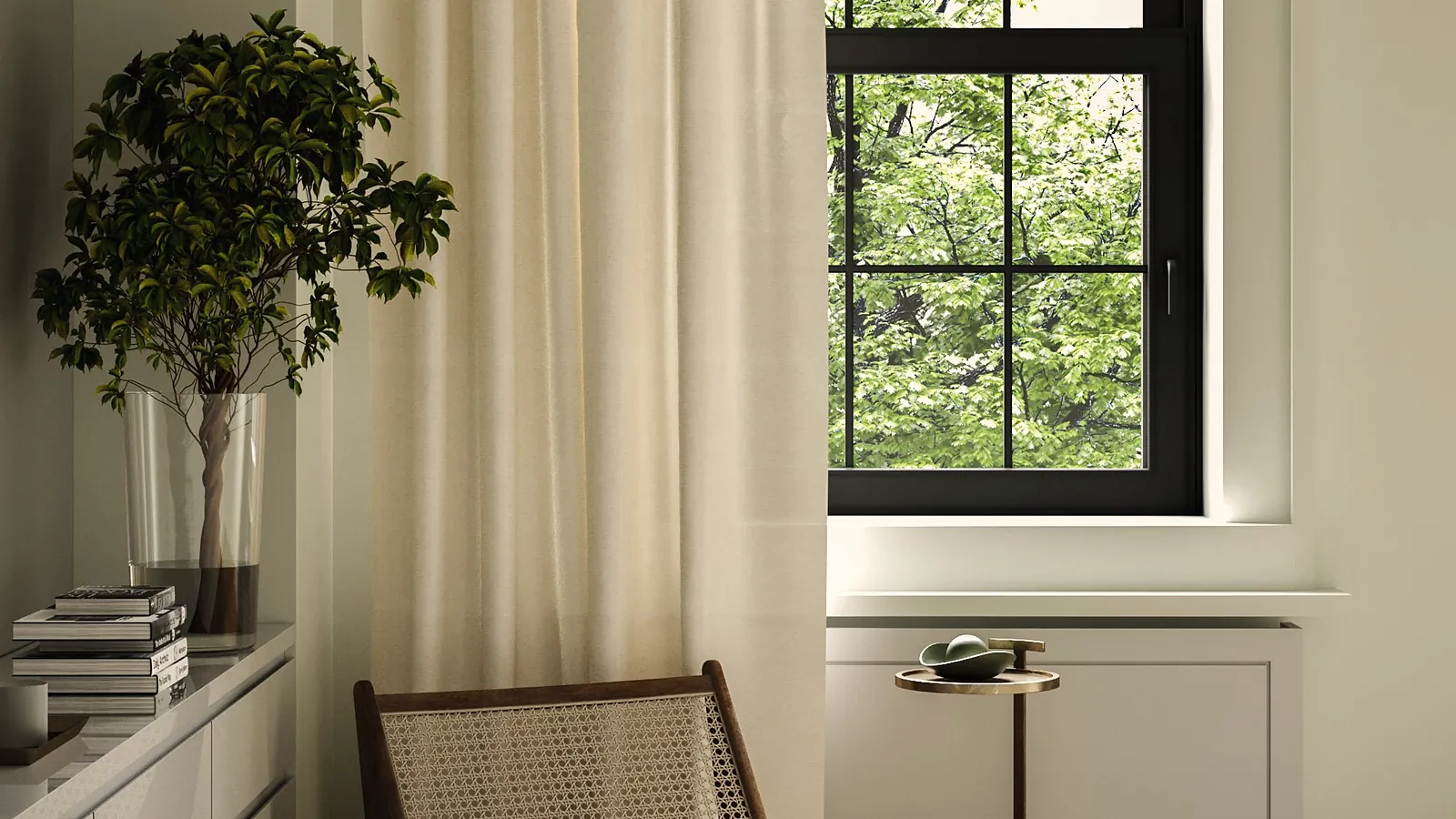
Furniture and decor define the character of a home, and sourcing is where many projects gain or lose quality. Spain has a long tradition of craft: ceramic workshops, hand woven textiles, wood and rattan makers, iron work, glass and a contemporary design industry. Other European countries add their strengths, such as Italian upholstery, Danish wood furniture, Portuguese stone and tile, Belgian linen and Polish solid wood joinery. A good interior often combines several origins.
If you prefer to read about the style first, see Spanish interior design and contemporary Spanish interior design.
How do you plan sourcing step by step?
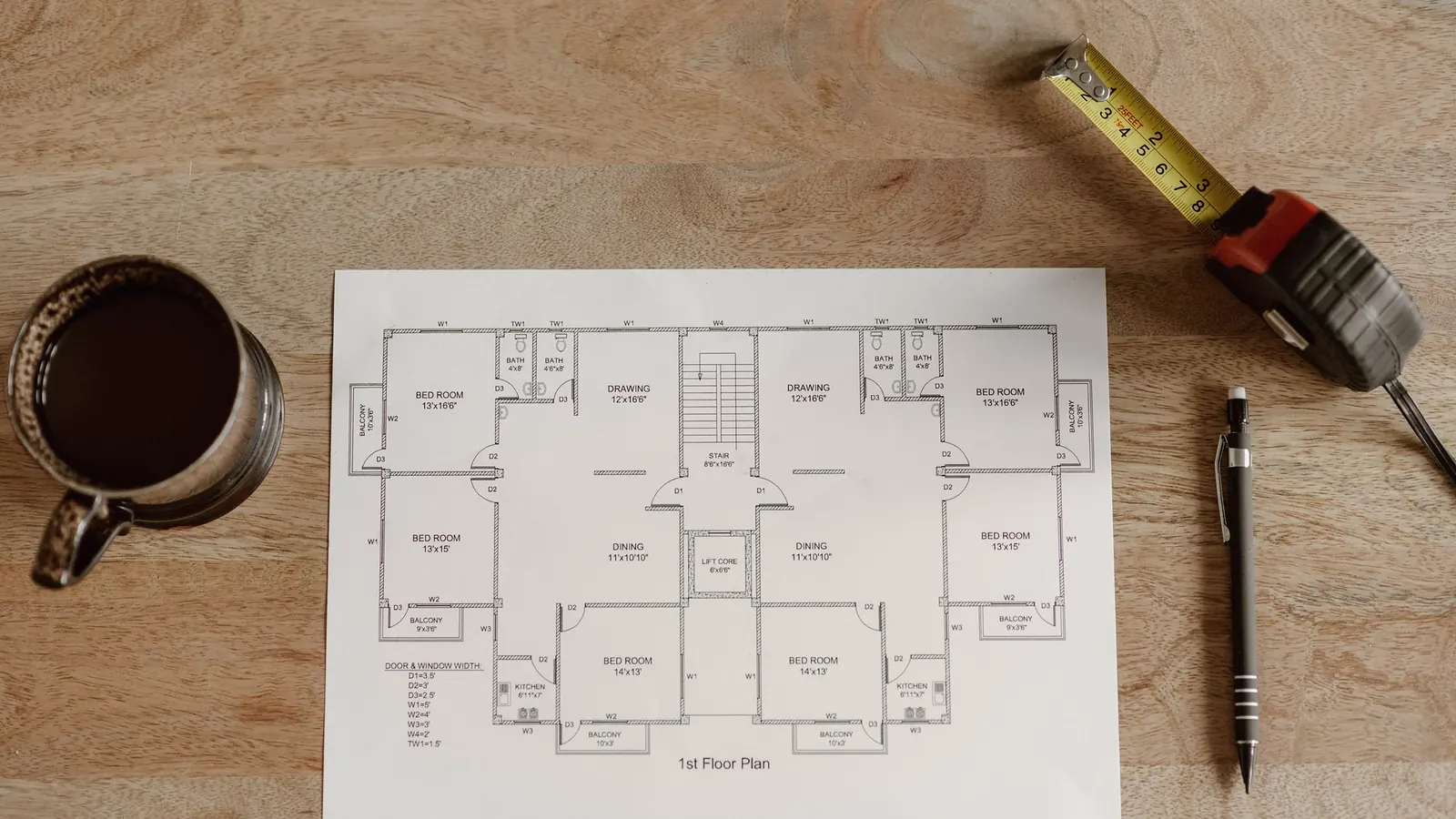
- Make a list. List each piece by room with dimensions, material, colour and budget level.
- Set priorities. Choose where quality matters most: sofa, bed, dining table, lighting, rugs.
- Research makers and suppliers. Look for manufacturers, showrooms, craft workshops, and trusted distributors.
- Request samples. Ask for fabric, wood, tile and finish samples and compare them in your own light.
- Confirm specifications. Dimensions, materials, finish, assembly and care instructions.
- Check lead times. Ask whether the item is in stock or made to order and when it will ship.
- Agree delivery terms. Transport, insurance, customs formalities if relevant, delivery address and who receives goods.
- Plan storage and installation. A dry, clean place and a team to assemble.
- Inspect on arrival. Check each item against the order and note damage immediately.
Our article on working with a Spanish design studio from abroad describes how a designer can coordinate this process remotely.
What can you buy in Spain?
| Category | What Spain offers | Things to check |
|---|---|---|
| Tiles and ceramics | Hand made, hydraulic and glazed tiles, terracotta, tableware | Batch colour variation, frost resistance, sealing |
| Lighting | Contemporary and craft lamps, ceramic and rattan shades | Plug type, voltage, certifications |
| Furniture | Solid wood, upholstered pieces, outdoor furniture | Wood species, finish, weight, assembly |
| Textiles | Linen, cotton, wool, esparto and jute rugs | Fibre, dye, washing instructions |
| Metalwork | Iron and brass fittings, handles, mirrors | Finish durability, corrosion in humid rooms |
| Stone | Limestone, marble, terrazzo | Thickness, sealing, installation |
Many items are sold through showrooms, craft workshops and online suppliers. Always check that the seller can ship to your country and give a clear invoice.
How do you check quality?
Quality shows in construction and detail. For furniture, look at joints, drawer runners, the frame, the stuffing and the finish. For textiles, check fibre, weave and colour fastness. For ceramics, check glaze, edges and thickness. For lighting, check certifications and safety marks. Ask for photographs of the actual item, and ask the supplier what warranty or repair service is offered. A reliable supplier answers questions clearly.
How do lead times and custom orders work?
Made to order pieces take longer than stock items, and craft products may depend on the maker’s schedule. Add a margin for delays and plan sequencing: heavy items such as stone and tile first, then furniture, then textiles and decor. Do not order custom pieces before the dimensions are confirmed on site. Our guide on the order of works in a renovation shows when deliveries should arrive.
How do transport and delivery work within the EU?
Within the European Union, goods generally move without customs duties between member states, but you still need an invoice, correct addresses and clear terms. Ask the supplier whether delivery includes unpacking, carrying upstairs and assembly. For fragile or large items, consider specialist carriers and insurance. For a project in Poland, confirm the delivery window with the building administration, and arrange for someone to receive and sign for the goods. If you live abroad, nominate a local contact. Rules and practice change, so confirm current requirements with the supplier or a customs adviser if you are shipping from outside the EU.
How do you document and track orders?
Keep one shared list with each item, supplier, reference, price level, order date, expected shipping date, delivery date and status. Save confirmations and invoices in a single folder, and photograph items on arrival. A simple list prevents duplicate orders and missing parts, and it helps the designer, the contractor and you see what is still to come.
What mistakes should you avoid?
- Ordering from a photograph alone. Request samples and dimensions.
- Ignoring lead times. Furniture that arrives too early or too late disrupts the project.
- Skipping inspection. Report damage at delivery.
- Forgetting access. Measure doors, stairs and lifts.
- Mixing too many origins and styles. Keep a clear palette and material list.
- Not planning the budget. Include transport, insurance and assembly. Read about renovation budget planning for a structure.
How do you combine new and vintage pieces?
Mixing new furniture with older pieces creates depth and character. Look for vintage chairs, tables or lamps from European markets and restore them if needed. Check structure, finish and safety.
Frequently asked questions
Can I order furniture from Spain to Poland?
Yes. Goods move within the EU, but you should agree on transport, insurance, delivery and inspection with the supplier and confirm the invoice details.
How do I know the colours will match?
Order samples and view them in your own light. For tiles and fabrics, ask whether colours vary between batches and order all quantities together.
Is it better to use a designer for sourcing?
A designer can help select, specify and coordinate orders, which reduces errors, especially for owners who live abroad.
What if an item arrives damaged?
Note the damage on the delivery document, take photographs and contact the supplier immediately. Follow their return and claim instructions.
How Kaster Group can help
If you would like help sourcing furniture and materials from Spain and Europe for a home in Poland or Spain, we can discuss your list and schedule.
Kaster Group offers interior design and luxury renovation in Warsaw and Gdańsk, as well as in Madrid, Marbella and Tenerife, from the first sketch to the final styling.
The Spanish group behind Kaster has more than 10 years of experience in the real estate sector in Spain.
To talk about your project, write to info@kastergroup.eu or visit the Kaster Group studio page.
This article is general information, not legal or tax advice. Rules change; always confirm your situation with a notary, lawyer or tax adviser.