Contemporary Spanish Interior Design: Warm Minimalism with Texture
· 6 min read · Polski · ES · Українська
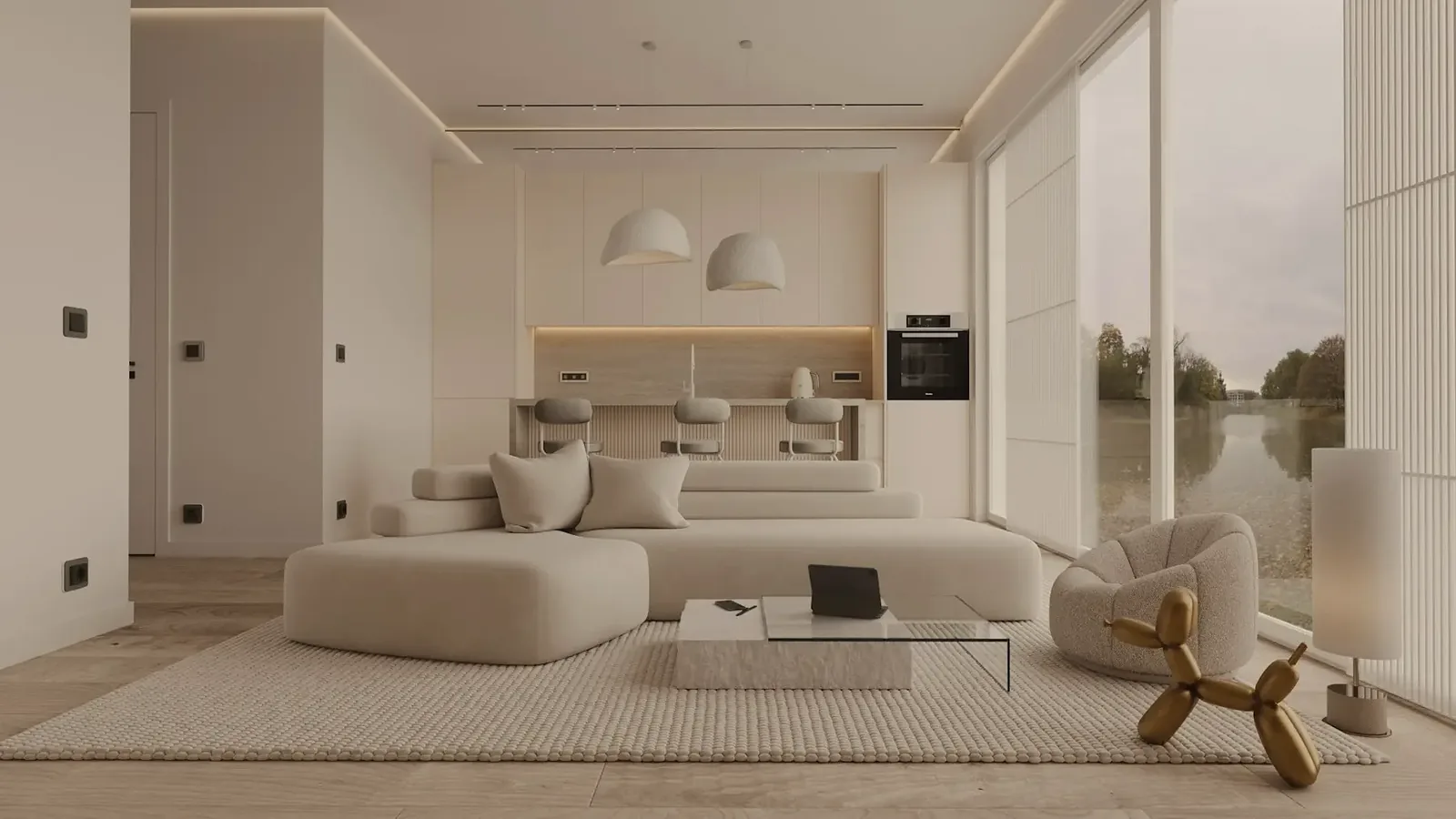
Contemporary Spanish interior design combines modern architecture and clean lines with Spanish materials and craft. Typical features are light stone, lime or microcement walls, oak joinery, hand made ceramics, discreet lighting and a few bold pieces by Spanish makers. It feels warm, calm and quietly luxurious.
Key takeaways
- It is modern in form, Spanish in material: simple volumes with textured, natural surfaces.
- Colour is restrained: warm whites, sand, stone and earth tones, with deep accents.
- Craft and detail matter more than decoration: joinery, ceramics, tiles and metalwork.
- Light is designed as carefully as furniture, with warm and indirect sources.
- It suits city apartments and holiday homes, and travels well to colder climates.
What is contemporary Spanish interior design?
It is a modern approach that keeps what is best in Spanish tradition: light, material and craft, while using today’s planning, technology and proportions. Instead of ornate decoration, the interior relies on texture and good details. A wall of lime plaster, a continuous stone floor, an oak wardrobe wall, a hand glazed ceramic and a sculptural lamp can be enough.
Our overview of Spanish interior design explains the traditional roots, and this article shows how designers use them today.
Which features define the style?
| Feature | How it appears |
|---|---|
| Volumes | Clear, uncluttered rooms, wide openings and a few curved shapes such as arches |
| Walls | Lime plaster, microcement or mineral paint in warm whites and earth tones |
| Floors | Large format stone, terrazzo, hydraulic tile or light oak |
| Joinery | Built in wardrobes and shelving in oak or painted wood, with discreet handles |
| Metals | Dark iron, brushed brass or steel in small, precise details |
| Textiles | Linen, wool and cotton in natural tones |
| Objects | Hand made ceramics, glass, sculptural lamps and a few pieces of art |
| Light | Indirect and warm, with accents on texture and art |
How is it different from traditional Spanish style?
Traditional Spanish interiors can include dark wood, forged iron, heavy furniture and richly patterned tiles in every room. The contemporary version edits those elements. A single patterned tile, a simple iron lamp or a carved wooden door may appear, but within a calm architectural frame. Think of the old villa or the courtyard house as a source of ideas, not a model to copy.
What is the typical palette?
- Base: warm white, lime white, soft sand.
- Mid tones: stone, clay, light taupe.
- Accents: olive, terracotta, deep green, charcoal or black.
- Natural materials: oak, travertine, linen.
Use the base on large surfaces, the mid tones on furniture and the accents in small, deliberate doses. Our guide to Mediterranean interior design shows a similar palette in a more relaxed form.
How do you create the look step by step?
- Start with the architecture. Open the plan where possible, align doors and openings, and remove visual noise such as extra frames and moulded trims.
- Choose two or three main materials. For example, lime plaster, oak and stone.
- Design the joinery. Plan storage as part of the architecture, with clean lines.
- Pick one feature surface. A tiled kitchen wall, a stone bath or a patterned entrance floor.
- Design the lighting. Combine indirect light, spotlights for art and warm table lamps.
- Place furniture with care. Few pieces, each with presence.
- Add objects slowly. Ceramics, books, a plant and one piece of art.
How does it work in Warsaw or Gdańsk?
The style adapts well to Polish homes. In winter, use warm bulbs, wool rugs and curtains in heavy linen. Choose stone or tile floors with underfloor heating, or oak with rugs. In older buildings, keep period details such as mouldings and parquet, and combine them with simple furniture and plaster walls. Read our article on Spanish style interiors in a Warsaw apartment for climate specific advice and our overview of the interior design service in Warsaw.
Is it a good choice for a rental or an investment property?
It can be, if the palette is neutral, the materials are durable and the details are simple. Large format tile or terrazzo and hard wearing oak resist use. Matte, cleanable paint finishes help in rentals. Avoid delicate surfaces in high traffic areas.
Which Spanish makers and crafts inspire the style?
Spain has a strong tradition of ceramics in Valencia, Andalusia and Catalonia, glass making in Mallorca, basketry and esparto work in the south and east, wood and metal craft across the country, and a modern design industry known for lighting and furniture. Designers often mix these sources: a tile from a family workshop, a lamp from a contemporary maker and an oak table made by a local carpenter. The result feels personal because each piece has an origin and a maker. We describe how to plan orders in our guide to working with a Spanish design studio from abroad.
How do you use colour with confidence?
Colour is used as an accent against a calm background. A deep green door, an olive velvet chair, a terracotta bowl or a dark blue tile will stand out against pale walls. Keep the quantity small and repeat each colour at least twice so that it looks intentional. When in doubt, test sample boards in your own light.
What mistakes should you avoid?
- Too many materials. Three or four are enough.
- Cold minimalism. Without texture and warm light, modern rooms feel hard.
- Imitation finishes. Real or high quality materials make the difference.
- Forgetting storage. Clean lines depend on hidden storage.
- Over decorating. Let each object stand on its own.
What should you ask a designer?
If you want this look, ask the designer to show projects with similar materials, to explain how finishes will age, to describe the supply of Spanish materials and to give a plan for lighting.
Frequently asked questions
What is the difference between contemporary Spanish and Mediterranean style?
Mediterranean design is broader and often more rustic. Contemporary Spanish design is a modern edit of the same sources, with cleaner lines and more controlled detail.
Which materials give the contemporary Spanish look?
Lime plaster, microcement, light stone, terrazzo, oak, hand made tile and dark metal details are typical.
Is it a good style for a small apartment?
Yes. A calm palette, built in storage and few well chosen objects fit small spaces. Use one feature surface to avoid a flat look.
Can I combine it with Scandinavian or Japandi style?
Yes. They share a love of natural materials and calm. Keep a clear palette and let one style lead.
How Kaster Group can help
If you want a contemporary Spanish interior, we can discuss the plan, the materials and the sourcing with you.
Kaster Group offers interior design and luxury renovation in Warsaw and Gdańsk, as well as in Madrid, Marbella and Tenerife, from the first sketch to the final styling.
The Spanish group behind Kaster has more than 10 years of experience in the real estate sector in Spain.
To talk about your project, write to info@kastergroup.eu or visit the Kaster Group studio page.
This article is general information, not legal or tax advice. Rules change; always confirm your situation with a notary, lawyer or tax adviser.