Mediterranean Interior Design: Colours, Materials and Layout
· 7 min read · Polski · ES · Українська
Mediterranean interior design is a relaxed, light filled style inspired by the homes around the Mediterranean Sea. It combines white and sand walls, sea and earth colours, natural materials such as lime, stone, terracotta and wood, tiled floors, airy layouts and an easy link between indoors and outdoors.
Key takeaways
- The base is light and natural: warm whites, sand, clay and soft blues or greens.
- Materials do the decoration: lime plaster, terracotta, tile, stone, wood, linen and rattan.
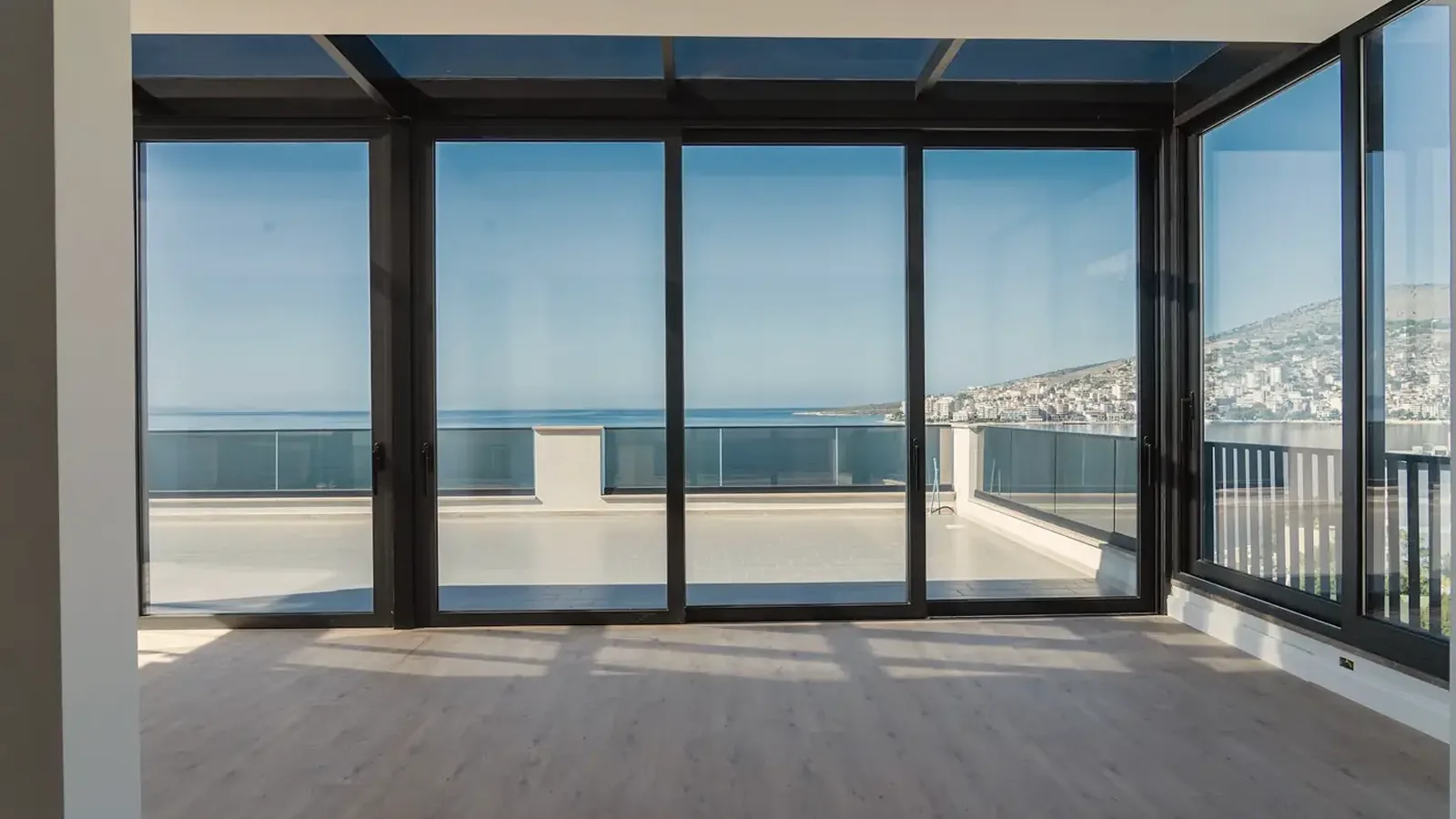
- Layouts are open and airy, with generous openings and shade for the sun.
- Mediterranean is wider than Spanish: it also includes Italian, Greek and French coastal homes.
- In colder regions, the style needs warmer light and cosier textiles to work all year.
What is Mediterranean interior design?
Mediterranean interior design is a style family that grew out of coastal homes in Spain, southern France, Italy, Greece and neighbouring countries. These homes were built for strong sun, warm summers and a life spent partly outdoors. Thick walls kept heat out, shutters controlled light, tiled floors stayed cool, and terraces and courtyards worked as extra rooms.
Today the style is popular far from the coast because it feels calm, natural and hospitable. It is also adaptable. A Mediterranean interior can be rustic, with rough plaster and old beams, or refined and contemporary, with pale stone and clean joinery.
Which colours define a Mediterranean palette?
The palette comes from the landscape. Start with a light base, then add one or two accents from the sea or the earth.
| Role | Colours | How to use them |
|---|---|---|
| Base | Warm white, lime white, soft sand, pale stone | Walls, ceilings, large curtains |
| Earth accents | Terracotta, clay, ochre, olive | Floors, ceramics, cushions, a feature wall |
| Sea accents | Soft blue, sage green, deep teal | Tiles, textiles, doors, shutters |
| Natural neutrals | Oak, rattan, linen, jute | Furniture, lamps, rugs, baskets |
| Dark detail | Black iron, dark wood | Frames, lamps, handles, railings |
A useful rule is sixty thirty ten: about sixty parts of the room in the base colour, thirty in a secondary tone, and ten in an accent.
Which materials are typical?
Materials carry the mood. The most common ones are listed here with the effect they give.
- Lime plaster or lime wash. A soft, slightly uneven surface that reflects light gently. It is breathable, which suits old walls.
- Terracotta and ceramic tiles. Warm underfoot in summer and easy to clean. Patterned tiles make a strong focal point in a kitchen or bathroom.
- Natural stone. Limestone, travertine or marble for floors, sills and worktops.
- Wood. Oak, olive wood or pine for beams, doors and furniture, left light or oiled.
- Linen, cotton and wool. For curtains, bedding and sofas, in natural colours.
- Rattan, wicker and esparto. For chairs, baskets and lampshades.
- Wrought iron. For lights, railings and window details.
How should the layout work?
Mediterranean rooms are rarely sealed boxes. The layout aims at air, light and movement.
- Open the view. Keep the line between the living room, the dining area and the terrace as free as possible.
- Create shade. Use shutters, awnings, pergolas or deep curtains so that the sun is welcome but not harsh.
- Design for cross ventilation. Windows or openings on opposite sides of the home allow air to pass.
- Plan a table for company. A generous dining table is often the centre of the home.
- Use arches and niches. Curved openings and recesses soften the architecture and hold lamps or ceramics.
- Treat the terrace as a room. Plan seating, shade, plants and lighting as carefully as inside.
How is Mediterranean different from coastal or Spanish style?
The terms are often mixed, so a short comparison helps.
| Style | Mood | Typical features |
|---|---|---|
| Mediterranean | Warm, earthy, relaxed | Lime and terracotta, tiles, arches, iron, outdoor living |
| Coastal | Fresh, light, holiday like | White and blue, driftwood, painted wood, nautical details |
| Spanish | Craft rich, regional | Azulejos, hydraulic tiles, dark wood, forged iron, patios |
| Scandinavian | Pale, functional, quiet | Light wood, white walls, simple furniture, soft textiles |
For a closer look at the Spanish branch, read what Spanish interior design is.
How do you bring the style to a colder climate?
A Mediterranean interior in Warsaw or Gdańsk faces a different year: long dark winters, cold floors and a lower sun. The style still works if you keep its logic and add comfort.
- Choose warm light with several sources and dimmers, so that evenings feel as welcoming as a summer terrace.
- Use underfloor heating with tile or stone, and add rugs in natural fibres.
- Prefer wool, linen and heavier cotton in the cold months, in the same earth colours.
- Keep blue and green accents soft and slightly warm, rather than bright and cold.
- Let plants and wood bring life when there is little daylight.
How does the style change in a villa, a flat and a holiday home?
In a villa, the style is easiest to achieve: large openings, a terrace, a pool and space for shade. Our article on villa interior design in Marbella looks at light, climate and indoor outdoor living. In an apartment, focus on the walls, the floors and the lighting, and use one or two statement elements, such as an arch or a patterned floor. In a holiday home, durable and low maintenance materials matter most, as we describe in renovating a holiday home in Tenerife.
Which furniture and lighting suit the style?
Furniture is simple, sturdy and made to be used. Think of a solid oak or olive wood table, a sofa in linen or cotton, rattan or woven chairs, a low bench, open shelves and a few pieces with age. Avoid heavy matching sets. Lighting should be warm and layered: paper, linen or ceramic shades, wall lights in iron or brass, and candles or small table lamps for the evening.
Where does the style come from?
The look is not an invention of designers. It comes from centuries of building with local materials: stone from nearby quarries, clay for tiles and bricks, lime for walls and wood from local trees. Because those materials were close at hand, houses in different countries share a family resemblance, and that is why the style feels familiar to many people even when they have never visited the region.
What mistakes should you avoid?
- Too many themes. Blue and white stripes, anchors, shells and terracotta pots all at once look like a set, not a home.
- Cold, flat white. Choose warm whites with a little yellow or grey so that the walls look alive in all light.
- Too many patterns. One patterned tile surface is stronger than several competing patterns.
- Ignoring maintenance. Terracotta, lime and natural stone need correct sealing and care.
- Forgetting light. Without a layered lighting plan, a white room can feel flat in the evening.
- Copying a villa in a small flat. Scale the ideas to the space.
A simple checklist before you start
- Write the brief: how the home is used, and the mood you want.
- Collect images of rooms you like and note what is common.
- Choose the base palette and two or three materials.
- Test samples on the wall and floor in the real light, morning and evening.
- Plan lighting and shading together with the layout.
- Add furniture and objects last, one piece at a time.
If you plan works, our overview of how to plan an apartment renovation gives the order of decisions.
How do you test a Mediterranean idea before committing?
Build a small sample board with a piece of the floor, a painted wall sample, a fabric and a tile or stone. Place it in the room and view it in the morning, at noon and in the evening with the lamps on. Photograph it each time. If the combination still feels calm and warm in all three, it will probably work across the whole room. If one element looks cold or heavy, replace that element rather than starting again.
Frequently asked questions
What is the difference between Mediterranean and Spanish interior design?
Mediterranean is a broad family that includes Spanish, Italian, Greek and French coastal homes. Spanish design is one branch with its own tiles, ironwork, courtyards and regional traditions.
Is white a good wall colour for a Mediterranean interior?
Yes, but choose a warm white. Lime white, cream and soft sand reflect light gently and look richer than a cold, bright white.
Can I use Mediterranean style in a modern apartment?
Yes. Keep the palette and materials but simplify the shapes: plain plaster walls, clean joinery, a natural stone worktop and one patterned surface.
Which flooring suits the style?
Terracotta, ceramic tile, limestone or light oak are typical. Check that the option you choose works with underfloor heating if your climate needs it.
How Kaster Group can help
If you would like a Mediterranean or Spanish inspired interior in Poland or in Spain, we can help you with the palette, materials and layout.
Kaster Group offers interior design and luxury renovation in Warsaw and Gdańsk, as well as in Madrid, Marbella and Tenerife, from the first sketch to the final styling.
The Spanish group behind Kaster has more than 10 years of experience in the real estate sector in Spain.
To talk about your project, write to info@kastergroup.eu or visit the Kaster Group studio page.
This article is general information, not legal or tax advice. Rules change; always confirm your situation with a notary, lawyer or tax adviser.