Villa interior design in Marbella: light, climate and indoor-outdoor living
· 5 min read · ES · Polski · Українська
A villa on the Costa del Sol is lived differently from an apartment in the city. Life moves outside for much of the year, the light is strong, and the house often hosts family and friends for weeks at a time. Interior design in Marbella is therefore as much about shade, air and flow as it is about furniture. This guide covers the principles we follow when designing or renovating a villa interior in Marbella and its surroundings.
Key takeaways
- Design for the light: control glare and heat, then celebrate the views.
- Treat terraces as rooms, with the same care as the living room.
- Choose materials that stay cool, age gracefully and cope with sun and salt.
- Plan for guests: flexible bedrooms, storage and privacy.
- A villa used seasonally needs simple maintenance and robust technology.
Understanding the place
Marbella stretches from the beach to the hills. A villa on the Golden Mile, in Nueva Andalucía, in Sierra Blanca or further east towards Elviria will face different conditions: sea breeze or mountain views, morning sun or long hot afternoons. Orientation determines where you have breakfast, where the pool is in shade, and which rooms need the most protection from heat.
Light and shade
Mediterranean light is a gift and a challenge. What works:
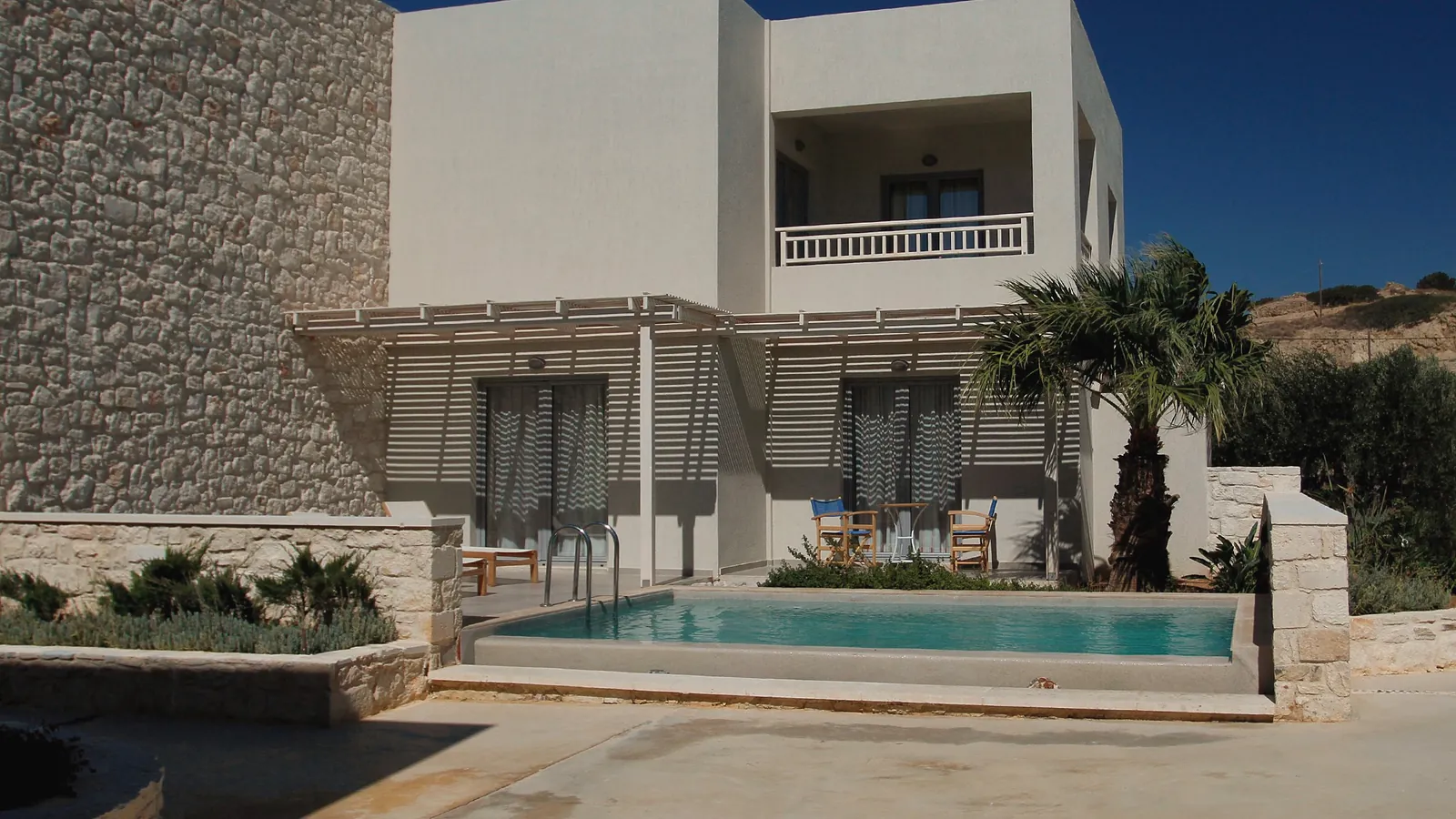
- deep overhangs, pergolas and loggias that shade glazing in summer and let in low winter sun,
- external blinds or shutters rather than relying only on curtains,
- light, matt surfaces that soften reflections,
- interior lighting designed for evenings, when the house is most used – warm, low and layered.
In the south, shade is a building material. The best villas are designed around where the shadow falls at five in the afternoon.
Indoor-outdoor living
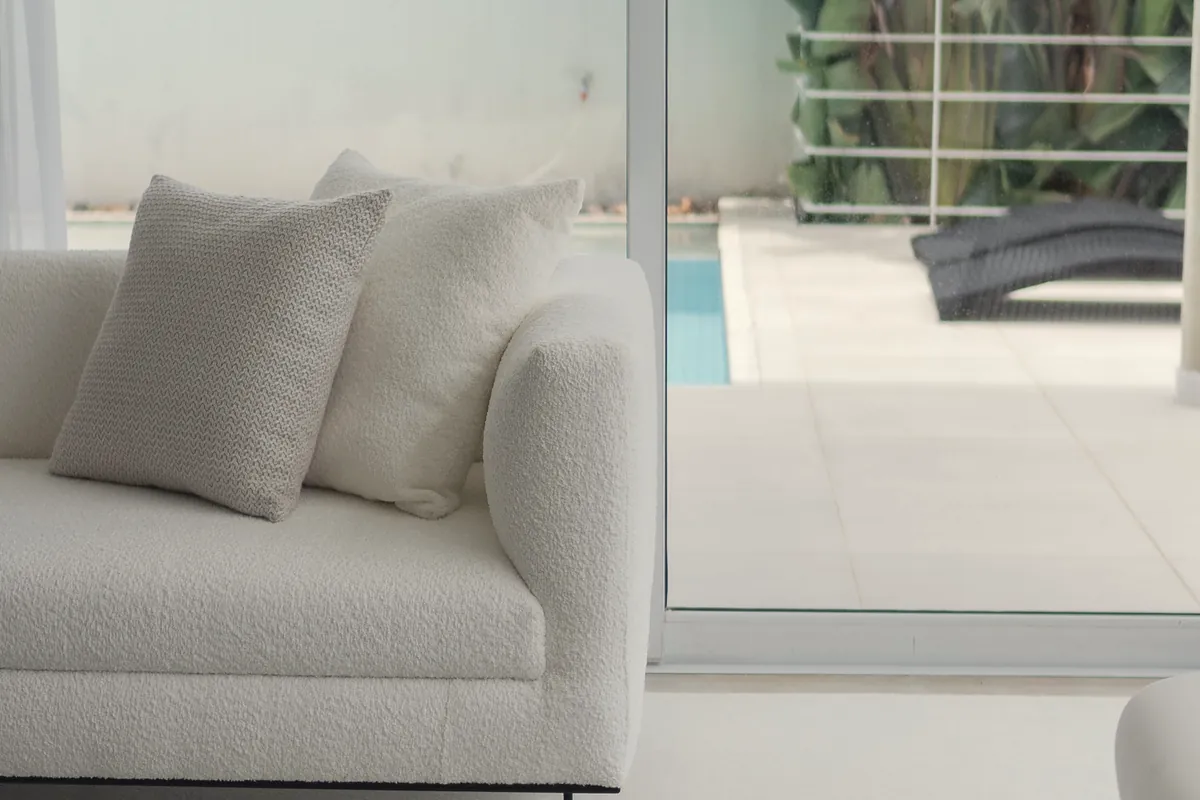
Large sliding doors that disappear into walls, continuous flooring from inside to the terrace, and outdoor kitchens and dining areas turn the villa into one space. Terraces deserve furniture, lighting and textiles designed with the same care as the living room – plus storage for cushions and protection from wind.
Materials for the climate
- Stone – limestone, travertine or other natural stone floors stay cool underfoot; choose finishes suitable for wet feet near the pool.
- Lime plaster – breathable walls with a soft texture that catches the light.
- Wood – oak inside; for exterior use, species and treatments suited to sun and moisture.
- Textiles – linen, cotton and performance fabrics for outdoor furniture.
- Metal – finishes that resist salt air near the coast.
The palette is often warm and restrained: sand, chalk, olive, terracotta accents. It works with the landscape rather than competing with it.
Layout for family and guests
Many Marbella villas host visitors for long periods. A good layout separates the main suite from guest areas, provides each bedroom with its own bathroom, and includes generous storage for luggage and seasonal items. A second, informal living room or a cinema room gives everyone space. Staff or service areas – laundry, pantry, storage – should be practical and discreet.
Renovating an older villa
Many villas on the coast were built decades ago and need updating: new installations, better insulation, larger openings, modern bathrooms and kitchens. A technical survey before purchase is essential, as is checking that the existing construction is properly registered. Works may require a declaración responsable or a licence from the town hall, depending on the scope. For the buying process itself, read our guide to buying property in Marbella.
Technology and maintenance
For owners who spend only part of the year in Marbella, simplicity matters: remote-controlled climate and security, reliable irrigation, easy-to-maintain pool equipment, and finishes that do not need constant care. A well-documented house – drawings, manuals, suppliers – makes management much easier.
Quiet luxury on the coast
Many of our clients prefer a calm, timeless interior over a showy one: fewer, better objects, natural materials, artisan details. We describe this approach in quiet luxury interior design.
Working with us from abroad
Most villa owners in Marbella live elsewhere for part of the year. We work with online meetings at key stages, material samples sent for approval, shared drawings and decisions, and regular photo and video reports from site – in English, Polish or Ukrainian.
Checklist before you start
Gather these points before the first meeting – they make every later decision faster:
- A sun study of the plot: where the shade falls through the day,
- The number of guests you usually host,
- How many months a year the villa is used,
- A survey of existing installations, roof and waterproofing,
- The registration status of the existing construction,
- A list of furniture and art you want to keep.
Common mistakes to avoid
- Glass without shade. Large unshaded windows facing south or west can turn a living room into a greenhouse in summer.
- Polished surfaces outdoors. Shiny stone or tiles become slippery when wet and reflect harsh light.
- City furniture on the terrace. Indoor fabrics and finishes fade and deteriorate quickly in the sun.
- Too little storage. Outdoor cushions, beach gear, luggage and seasonal items all need a place.
- Over-decoration. Strong light and a dramatic landscape need a calm interior; too many patterns and colours compete with the view.
- Complex technology. Systems that only one technician understands become a problem when the owner is far away.
- Forgetting the evenings. Villas are often most used after sunset; poor exterior lighting wastes the best hours of the day.
A careful study of orientation and daily use at the start avoids most of these issues.
Frequently asked questions
Which flooring is best for a villa in Marbella? Natural stone such as limestone or travertine is a classic choice: cool, durable and suitable for continuous indoor-outdoor flooring. Near the pool, choose a slip-resistant finish.
How do I keep a villa cool without constant air conditioning? Shading, cross-ventilation, thermal mass, light-coloured surfaces and good insulation work together. Air conditioning then becomes a support rather than the main tool.
Do I need a permit to renovate the interior? It depends on the scope. Minor works may only require a declaración responsable; larger works may need a licence. Confirm with your architect and the town hall.
Can you furnish and style the villa? Yes, from furniture and lighting to textiles, art and the final styling before your arrival.
Do you also work elsewhere in Spain? Yes – in Madrid and Tenerife, as well as in Warsaw and Gdańsk.
How we can help
Kaster Group offers interior design, luxury renovation and real estate support in Marbella, Madrid and Tenerife, and in Poland. Write to info@kastergroup.eu or message us on WhatsApp: +48 798 203 356.