Renovating a holiday home in Tenerife: climate, materials and letting rules
· 5 min read · ES · Polski · Українська
Tenerife attracts owners who want sunshine all year, the ocean and a slower rhythm. Many buy an apartment or house to use for part of the year and, sometimes, to rent out the rest of the time. Renovating a holiday home on the island is different from renovating a city apartment: the climate, the salt air, the guests and the distance all influence the decisions. This guide explains what to consider.
Key takeaways
- North and south have different climates; design for your microclimate.
- Choose materials that resist sun, salt and humidity.
- Terraces and outdoor showers are as important as the living room.
- If you plan holiday letting, check the current regional and local rules before buying and renovating.
- Remote ownership requires robust technology and a reliable local team.
Know your microclimate
Tenerife is often called an island of microclimates. The south – areas such as Costa Adeje or Los Cristianos – is generally sunnier and drier; the north, around Puerto de la Cruz or La Laguna, is greener, cooler and more humid. Altitude matters too. The microclimate influences ventilation, insulation, the choice of wood and textiles, and how terraces are used. Our guide to buying and renovating a villa in Tenerife covers north and south in more detail.
Materials for an island home
- Floors – porcelain or natural stone with a non-slip finish, easy to clean after the beach.
- Walls – breathable plasters and paints suited to humidity, especially in the north.
- Joinery – moisture-resistant boards and finishes; avoid materials that swell.
- Metals – stainless steel of a suitable grade, or powder-coated aluminium, for balustrades and fixtures near the sea.
- Textiles – washable linen and cotton indoors; performance fabrics outdoors.
- Local character – dark volcanic stone and wood details give a sense of place without becoming a theme.
On an island, a finish that is easy to maintain is worth more than a finish that looks spectacular for one season.
Layout for holidays
Holiday homes are used intensively for short periods. What works:
- an open kitchen and living area connected to the terrace,
- bedrooms with their own storage and, ideally, en-suite bathrooms,
- lockable owner’s storage if the home is rented,
- a utility area for laundry, beach gear and cleaning supplies,
- simple, intuitive lighting and climate controls.
Terraces and outdoor living
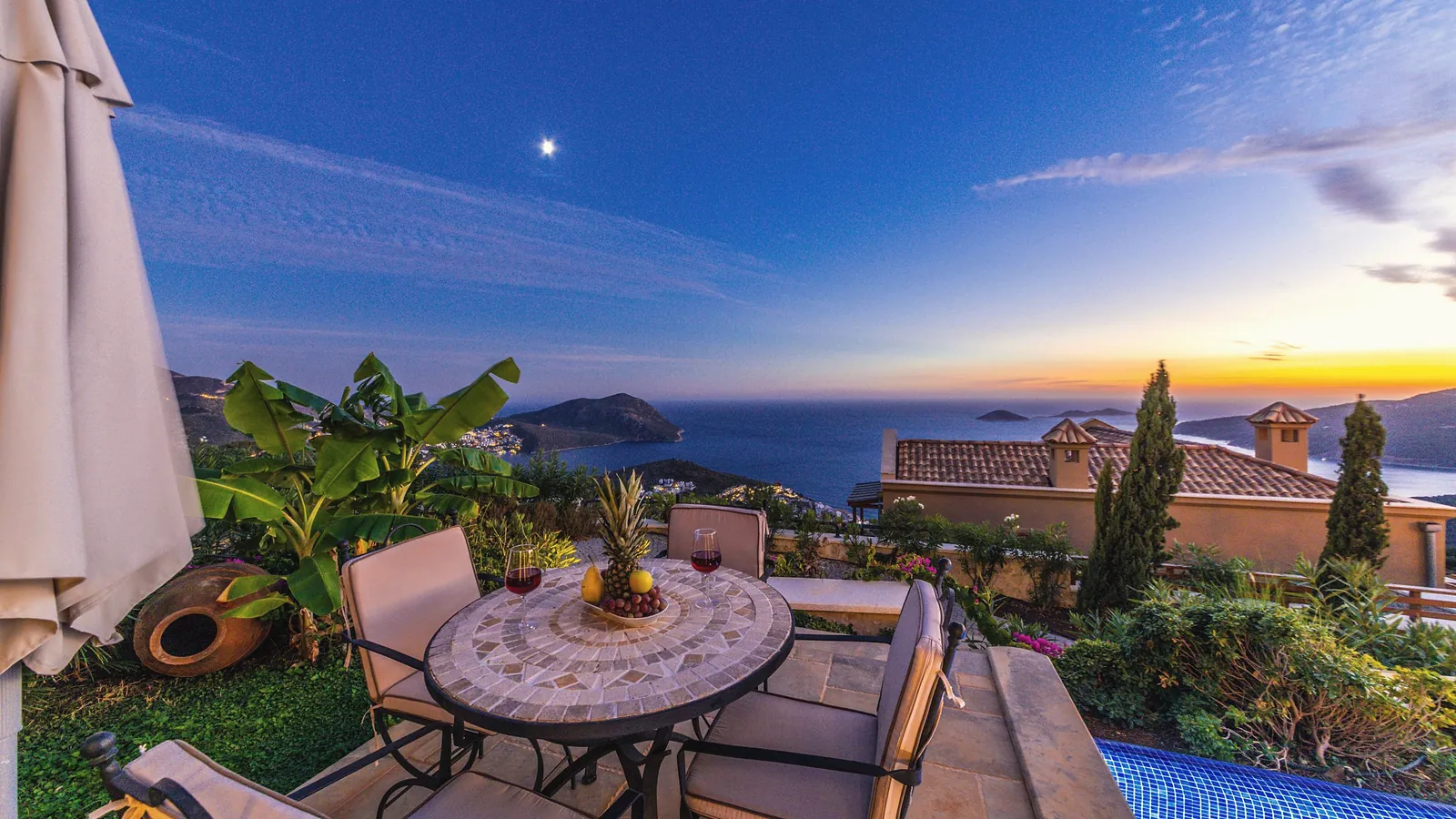
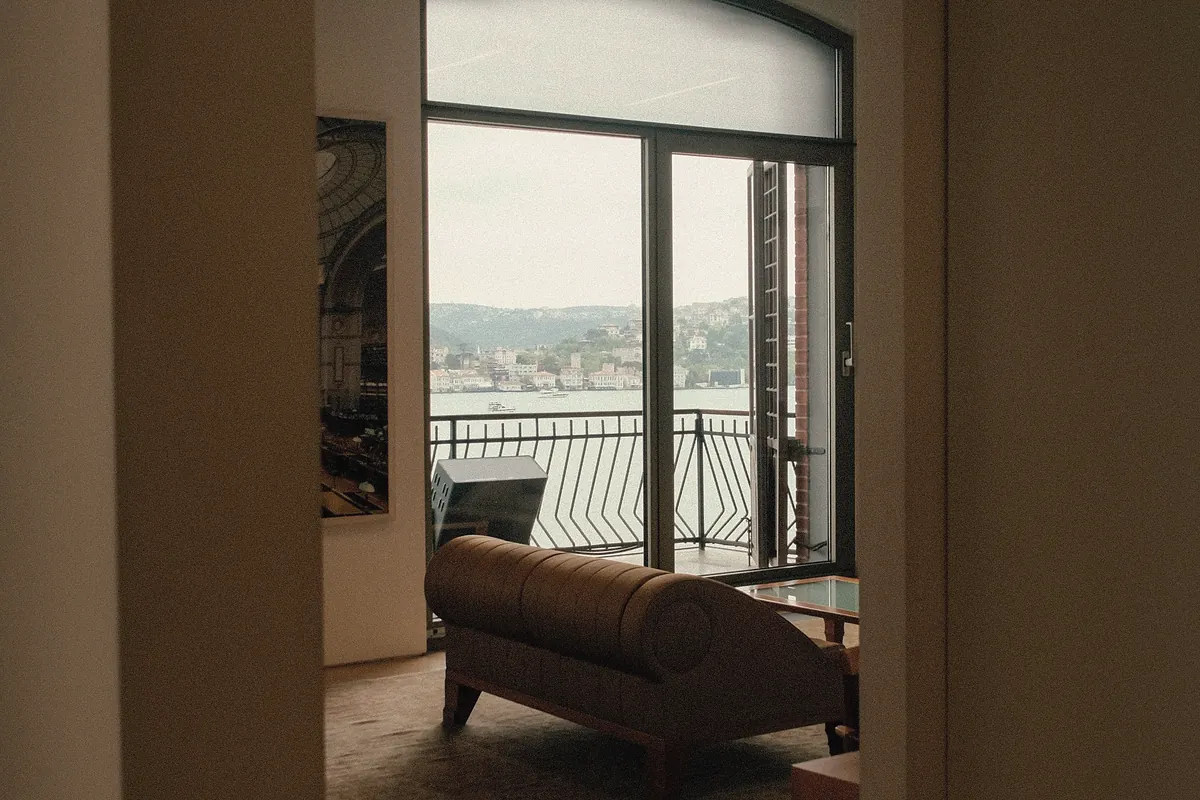
In Tenerife, the terrace is often the main room. Shade from pergolas or awnings, comfortable outdoor furniture, lighting for evenings, wind protection on exposed sites, an outdoor shower and storage for cushions make the difference between a terrace that is used and one that is not.
Holiday letting: check the rules first
Holiday rentals in the Canary Islands are regulated by regional law and by local planning rules, and the regulatory framework has been under reform in recent years. Whether a property can be used for holiday letting depends on factors such as its location, the type of building, the community of owners’ rules and the municipality. Before buying with letting in mind – and before designing the renovation – confirm the current rules with the Canary Islands government, the town hall and a local lawyer.
The renovation process
1. Survey
Condition of installations, damp, windows, terraces and waterproofing, and the community’s rules on works.
2. Permits
Depending on the scope, works may require a declaración responsable or a licence from the town hall. Confirm the requirements with a local architect.
3. Design
Layout, materials, lighting, terrace design and furnishing plan, including a full list of furniture, textiles and equipment.
4. Execution
Installations, waterproofing, finishes, joinery. Island logistics mean some materials take longer to arrive, so ordering early matters.
5. Furnishing and handover
Furniture, kitchen equipment, linen and styling – the home is delivered ready to use, and ready for photos if it will be rented.
Managing from abroad
Most owners in Tenerife live elsewhere. Smart locks, remote monitoring of humidity and security, a reliable local maintenance contact and good documentation of the house make ownership easier. During the renovation, regular photo and video reports and online decisions keep the project on track. For larger renovations on the mainland, see also luxury renovation in Madrid.
Checklist before you start
Gather these points before the first meeting – they make every later decision faster:
- Your microclimate: north, south, coast or altitude,
- How you will use the home and whether you plan to rent it,
- The current holiday-letting rules for that property,
- A survey of waterproofing, installations and damp,
- The community rules on works and on holiday letting,
- A local contact for keys, deliveries and maintenance.
Common mistakes to avoid
- Buying for letting without checking the rules. If holiday letting is part of the plan, verify the current regulations before signing anything.
- Ignoring waterproofing. Terraces, roofs and showers are the most common sources of damp and damage.
- Using standard steel near the sea. Unsuitable metals corrode quickly in salt air.
- Designing for the owner only. If the home will be rented, guests need clear instructions, durable finishes and simple controls.
- Too many delicate textiles. Sun, sand and frequent washing wear them out fast.
- Late ordering. Island logistics can extend delivery times for furniture and special materials.
- No local contact. A small leak or a power cut needs someone nearby who knows the house.
Planning for these points from the start makes the home easier to enjoy and to manage.
Frequently asked questions
Can I rent out my holiday home in Tenerife? It depends on the property, its location, the community rules and the current regional and municipal regulations, which have been changing. Confirm with the authorities and a local lawyer before buying or renovating.
Which materials are best near the sea? Non-slip porcelain or stone floors, breathable wall finishes, moisture-resistant joinery and corrosion-resistant metals.
Is the north or south better for a holiday home? The south is generally sunnier and drier; the north greener and cooler. The right choice depends on how and when you will use the home.
Can you furnish the home completely? Yes, from furniture and kitchen equipment to linen and decor, so that the home is ready to use on arrival.
Do you manage the works if I am not on the island? Yes. We coordinate the works locally and keep you informed with regular reports.
How we can help
Kaster Group offers renovation, interior design and real estate support in Tenerife, Marbella and Madrid, and in Poland. Write to info@kastergroup.eu or message us on WhatsApp: +48 798 203 356.
This article is general information and does not replace legal or technical advice.