Lime Plaster, Microcement and Paint: Choosing Wall Finishes
· 5 min read · Polski · ES · Українська
Lime plaster is breathable and softly textured, microcement is seamless and suits wet areas, mineral paint is simple and mineral rich, and decorative plaster adds depth. Choose by room, moisture, wear and how you want the wall to look. Good preparation of the surface matters more than the product name.
Key takeaways
- Lime plaster and mineral paint suit old masonry and calm rooms, because they let walls breathe.
- Microcement gives a seamless surface for bathrooms, kitchens and floors, but depends on skilled application.
- Decorative plaster adds depth and is best used on one or two walls.
- Moisture, movement in the wall and the condition of the base decide which finish will last.
- Always view a large, dry sample on the real wall in your own light.
How do the main wall finishes compare?
| Finish | Look | Good for | Points to watch |
|---|---|---|---|
| Lime plaster | Soft, slightly cloudy, mineral | Living rooms, bedrooms, old and new masonry | Needs a compatible base and experienced applicator; marks can show |
| Microcement | Seamless, smooth, modern | Bathrooms, kitchens, floors, showers when sealed | Sealing, movement cracks and a skilled installer are essential |
| Mineral paint | Matt, chalky, uniform | Walls and ceilings in dry rooms | Needs a mineral compatible base; not for all substrates |
| Decorative plaster | Textured, polished or veined | Feature walls, niches, entrances | Hard to patch; sample first |
| Standard acrylic paint | Even and washable | Most walls, easy to repaint | Less breathable, can look flat |
Why choose lime plaster?
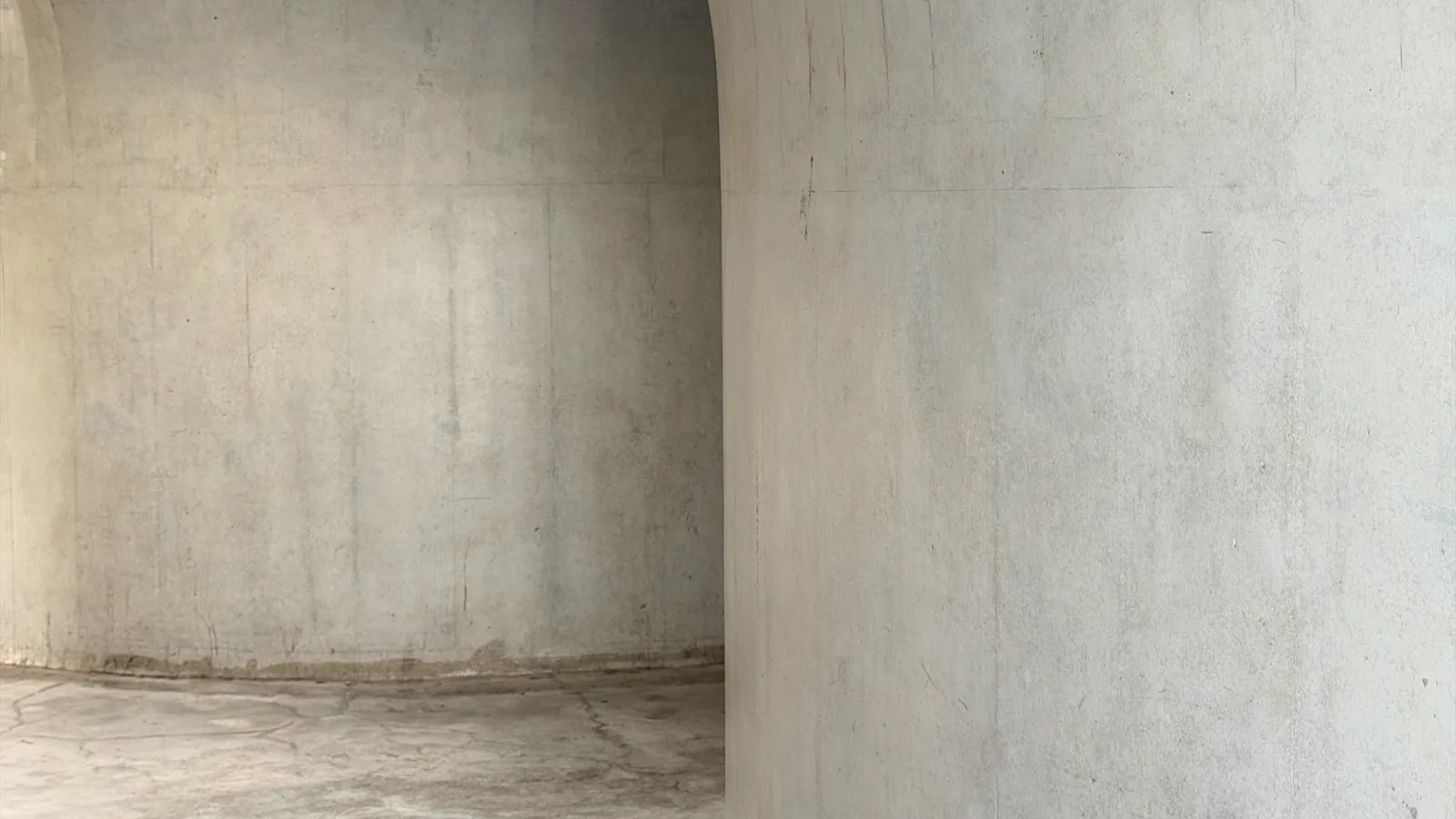
Lime plaster is made from slaked lime and sand. It is breathable, which makes it a natural partner for old masonry, because it helps moisture leave the wall instead of trapping it. Its surface has a soft, cloudy depth that changes through the day and suits calm interiors in the Spanish and Mediterranean spirit. Our guide to Spanish interior design explains how lime and light are used in warm climates.
Lime needs a compatible base and an applicator who understands its drying and curing. It is often finished with a trowel for a smooth, burnished look, or with a brush for a more rustic effect. It can be tinted with natural pigments. In bathrooms, special tadelakt style lime plaster with soap sealing is possible, but should only be done by specialists.
When is microcement the right choice?
Microcement is a thin cement based coating applied in layers over a prepared surface. It can cover walls, floors, counters and showers with a continuous surface and few joints, which is why it is popular in bathrooms and kitchens. It suits modern and minimalist interiors and can be coloured in many tones.
Its performance depends on preparation, movement in the substrate and sealing. Cracks may appear over unstable bases, and the sealer must be maintained as advised. Avoid cleaning products that attack the sealer. For wet rooms, the waterproofing under the coating is as important as the coating itself, so read our bathroom design and renovation guide.
How does mineral paint differ from ordinary paint?
Mineral paints, often silicate based, bond chemically to a suitable mineral base and are very breathable and long lasting. They give a deep matt colour with a natural chalkiness. They are a good choice on lime plaster and old masonry, and in rooms where you want a quiet, uniform look.
They do not suit every surface, so follow the manufacturer’s guidance for the base, and test a patch. Standard acrylic paint remains the easiest option for dry rooms that will be repainted often, such as children’s rooms or rentals. Our guide to interior materials covers these choices alongside stone, terrazzo and oak.
What about decorative plaster?
Decorative plaster includes polished, veined, sand textured and trowelled effects. It can make a feature wall feel crafted and rich. Use it sparingly, for example in an entrance, behind a bed or around a fireplace. Because the finish is hard to match when repaired, ask for a spare sample and keep a record of the product.
How do you choose by room?
- Living room and bedroom: lime plaster or mineral paint for softness and breathability.
- Kitchen: washable paint, microcement or tile behind the hob; check heat and grease resistance.
- Bathroom: microcement with proper sealing, tile or specialist lime plaster in splash free zones.
- Entrance hall: durable paint or decorative plaster that can take knocks.
- Ceilings: matt mineral or acrylic paint for an even light reflection.
What preparation is essential?
Most failures come from the wall, not the product. Check for damp and fix its source before any finish. Remove loose plaster, repair cracks, prime if the manufacturer requires it and let the base dry fully. Ask whether the wall is mineral or has an old paint layer that may not accept the new finish. In older buildings, a survey of the wall before design saves money later. Our guide to renovation planning shows when surveys and samples belong in the process.
How do you test and specify a finish?
- Ask for a large sample board or a patch on the real wall, not a small chip.
- View it in morning, midday and evening light.
- Confirm the product, the number of layers and the sealer in the specification.
- Agree who will apply it and ask to see previous work.
- Keep a small amount for repairs, labelled with the product name and colour.
Frequently asked questions
Can I use lime plaster in a bathroom?
In areas away from direct water it can work well, and specialist lime finishes exist for wet areas. These need experienced applicators and correct waterproofing, so discuss it with a professional before choosing it.
Is microcement waterproof?
Microcement itself is not a waterproofing layer. In showers and wet areas, a proper waterproof membrane is applied underneath, and the sealer on top protects the surface. Both must be done correctly.
Which finish is the easiest to repair?
Standard paint is the easiest. Lime plaster and mineral paint can be repaired but may show differences in tone. Microcement and decorative plasters need a specialist to blend a repair well.
How Kaster Group can help
If you want to choose wall finishes that suit your building and your style, we can specify them and coordinate the application with the rest of your renovation.
Kaster Group offers interior design and luxury renovation in Warsaw and Gdańsk, as well as in Madrid, Marbella and Tenerife, from the first sketch to the final styling.
The Spanish group behind Kaster has more than 10 years of experience in the real estate sector in Spain.
To talk about your project, write to info@kastergroup.eu or visit the Kaster Group studio page.
This article is general information, not legal or tax advice. Rules change; always confirm your situation with a notary, lawyer or tax adviser.