Lighting Design for Homes: Layers, Warmth and Placement
· 6 min read · Polski · ES · Українська
Good home lighting uses three layers: ambient light for general illumination, task light for activities such as cooking or reading, and accent light for mood and detail. Choose warm white bulbs, add dimmers, place lights at different heights and use fewer, better fittings instead of one strong ceiling light.
Key takeaways
- Use three layers: ambient, task and accent, and control them separately.
- Warm white light, around the colour of a candle or an evening sun, suits living spaces.
- Dimmers and multiple sources make rooms flexible for different moments.
- Plan lighting at the start of a renovation, before walls are closed and floors laid.
- Light changes how colours and materials look, so test them under the real bulbs.
What are the layers of home lighting?
Lighting designers think in layers because no single fitting can do everything.
| Layer | Purpose | Examples |
|---|---|---|
| Ambient | General light to see and move around safely | Ceiling lights, recessed lights, large pendants, indirect cove light |
| Task | Focused light for activities | Kitchen under cabinet lights, desk lamp, reading light, mirror light |
| Accent | Highlights objects and textures, creates mood | Wall washers, picture lights, niche lighting, floor uplights |
| Decorative | The fitting itself as a feature | Sculptural pendants, lamps, chandeliers |
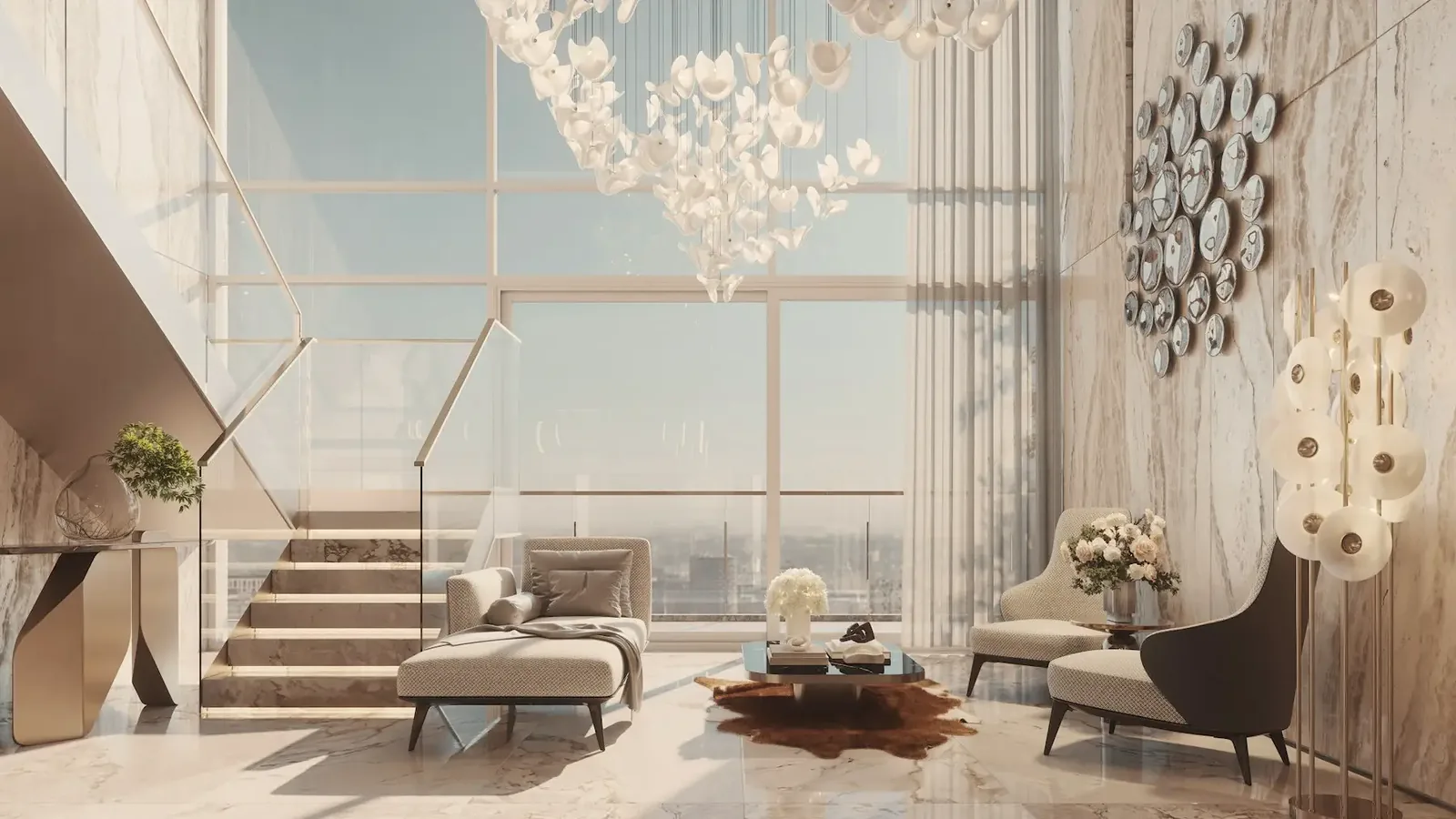
A room feels good when these layers are balanced and can be switched separately. For example, in an evening living room, you might turn off the ceiling light and use two table lamps and a wall washer.
What colour temperature is best?
Light colour is measured in kelvins. In plain terms, lower numbers are warm and yellow, higher numbers are cool and blue. For living rooms, bedrooms and dining rooms, warm white is the most comfortable. For kitchens, bathrooms and workspaces, a slightly more neutral white can help with tasks, but many people still prefer warm light. Use the same colour temperature across a room to avoid a patchwork effect, and check that dimmable bulbs stay warm as they dim if you want a candle like glow.
What is colour rendering and why does it matter?
Colour rendering describes how accurately a light source shows colours compared with natural light. Poor rendering makes food, skin and materials look dull. Choose lamps with high colour rendering for kitchens, dressing areas and any room where materials matter. Always test paint, wood and fabrics in the room with the bulbs you plan to use.
How do you plan lighting room by room?
- Entrance. Soft ambient light, a mirror light and a switch you can find easily.
- Living room. Indirect ambient light, floor and table lamps for reading, accent lights for art or shelves, dimmers on all circuits.
- Kitchen. Bright, even ambient light, under cabinet task lights, a pendant over the table or island, and softer accents for the evening.
- Dining area. A pendant centred over the table, hung at a height that does not block the view, plus dimmable light.
- Bedroom. Soft, low light, bedside lights on separate switches, and a clear task light by the wardrobe.
- Bathroom. Light on both sides of the mirror, a soft ambient light and a safe, rated fitting near water. See our bathroom design guide.
- Home office. A task light that avoids reflection on the screen and a calm ambient background.
How do you plan lighting in a renovation?
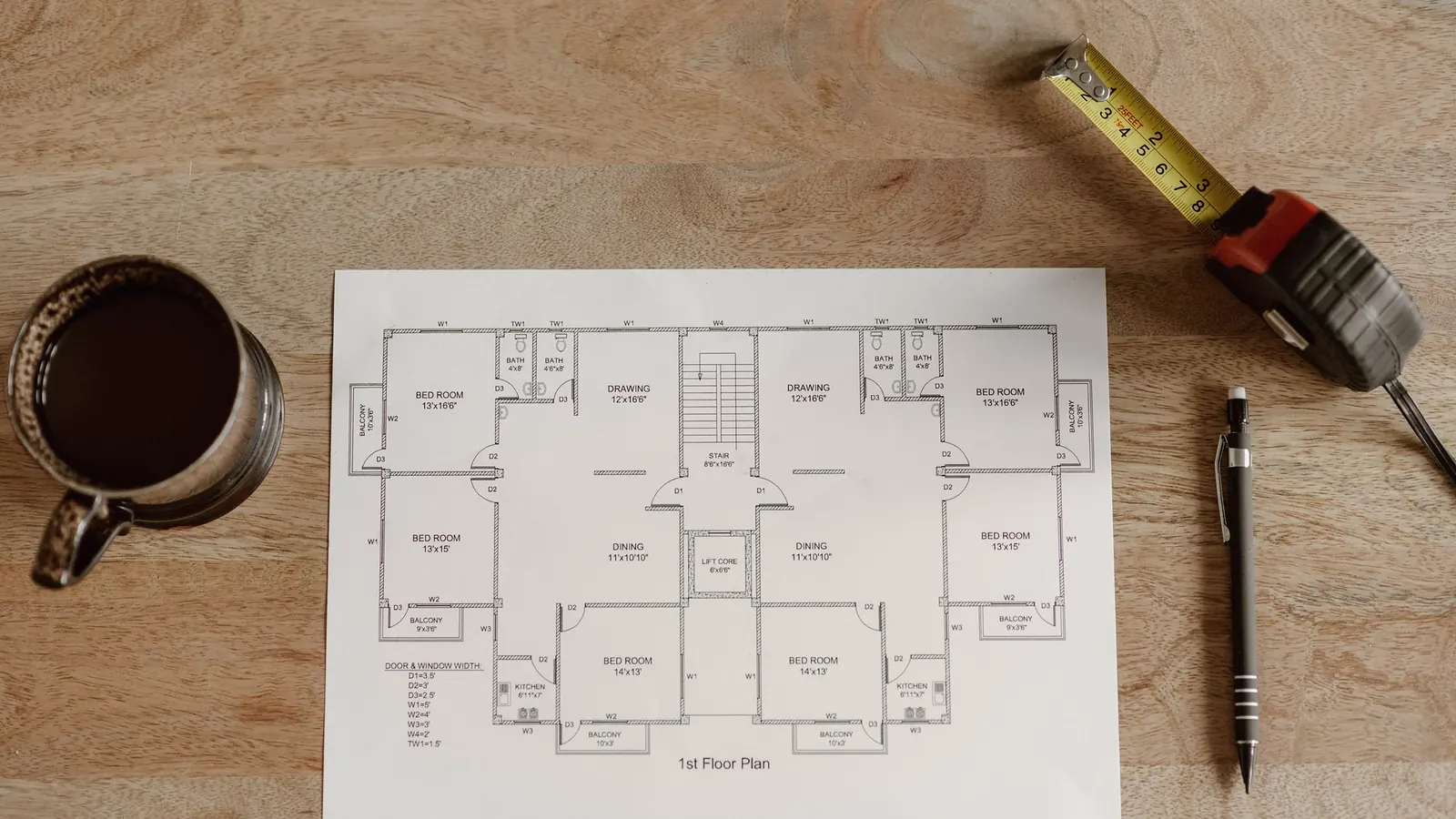
Lighting should be designed at the same time as the layout. Decide where furniture, sockets and switches go, and design the lights around them. During a renovation, you can add recessed fittings, cove lighting, wall light feeds, hidden tracks and extra circuits. After the walls are plastered, these are costly to change. Our guide to apartment renovation planning shows where lighting fits in the order of works.
A simple method:
- Mark the furniture layout on the floor plan.
- Draw each activity zone and what light it needs.
- Choose circuits, so each layer can be switched separately.
- Select fittings, and check how bright and how warm they are.
- Add dimmers to ambient and accent circuits.
- Review the plan with the electrician before work starts.
Which fittings work best?
- Recessed spotlights are discreet but can create a harsh, dotted pattern if used alone.
- Pendants bring warmth and personality, especially over tables.
- Wall lights add soft light at eye level and free surfaces.
- Floor lamps are flexible and can fill dark corners.
- LED strips hidden in coves, niches or under shelves give an indirect glow.
- Track lights allow adjustment and suit art or open spaces.
- Table lamps make evenings softer and can be moved with the seasons.
How do you bring warmth to a Nordic climate?
In Warsaw and Gdańsk winter days are short, so lighting is part of daily comfort. Use warm bulbs, multiple lamps at low level and dimmers. Add materials that reflect light gently, such as lime plaster and wood. Our articles on Scandinavian interior design and Spanish style interiors in Warsaw both stress this point.
How does lighting change materials and colours?
Warm light makes sand, clay and wood richer, while cool light can make them look flat or grey. Matte surfaces such as lime plaster scatter light softly, while gloss tiles reflect it sharply. Washing a textured wall with light from above or below shows its texture. Always check the effect in the room.
What mistakes should you avoid?
- One central light only. It flattens the room and casts harsh shadows.
- Cold bulbs in living areas. They feel clinical.
- No dimmers. Light needs to change through the day.
- Spotlights in a grid. They create a pattern that looks like an office.
- Glare. Avoid bright bare bulbs in the line of sight.
- Forgetting switches. Place them where you use them.
Frequently asked questions
How many lights should a living room have?
There is no fixed number. Use several sources at different heights, group them in circuits and add dimmers. As a guide, aim for at least three separate light sources.
Are LED lights good for a home?
Yes, modern LED lamps are efficient and available in warm colours and good colour rendering. Choose quality products and check that they are compatible with your dimmers.
What lighting suits a small apartment?
Use indirect light, wall lights and table lamps to save floor space, and avoid heavy fittings. Layers matter even more in a small room.
Can I change lighting without building work?
Yes. Plug in lamps, replace bulbs with warmer ones and add dimmer plugs or smart bulbs. For large changes, plan circuits during renovation.
How Kaster Group can help
If you would like a lighting plan for your home in Warsaw, Gdańsk or Spain, we can help you develop it with the layout and materials.
Kaster Group offers interior design and luxury renovation in Warsaw and Gdańsk, as well as in Madrid, Marbella and Tenerife, from the first sketch to the final styling.
The Spanish group behind Kaster has more than 10 years of experience in the real estate sector in Spain.
To talk about your project, write to info@kastergroup.eu or visit the Kaster Group studio page.
This article is general information, not legal or tax advice. Rules change; always confirm your situation with a notary, lawyer or tax adviser.