Scandinavian Interior Design: Principles, Palette and Materials
· 6 min read · Polski · ES · Українська
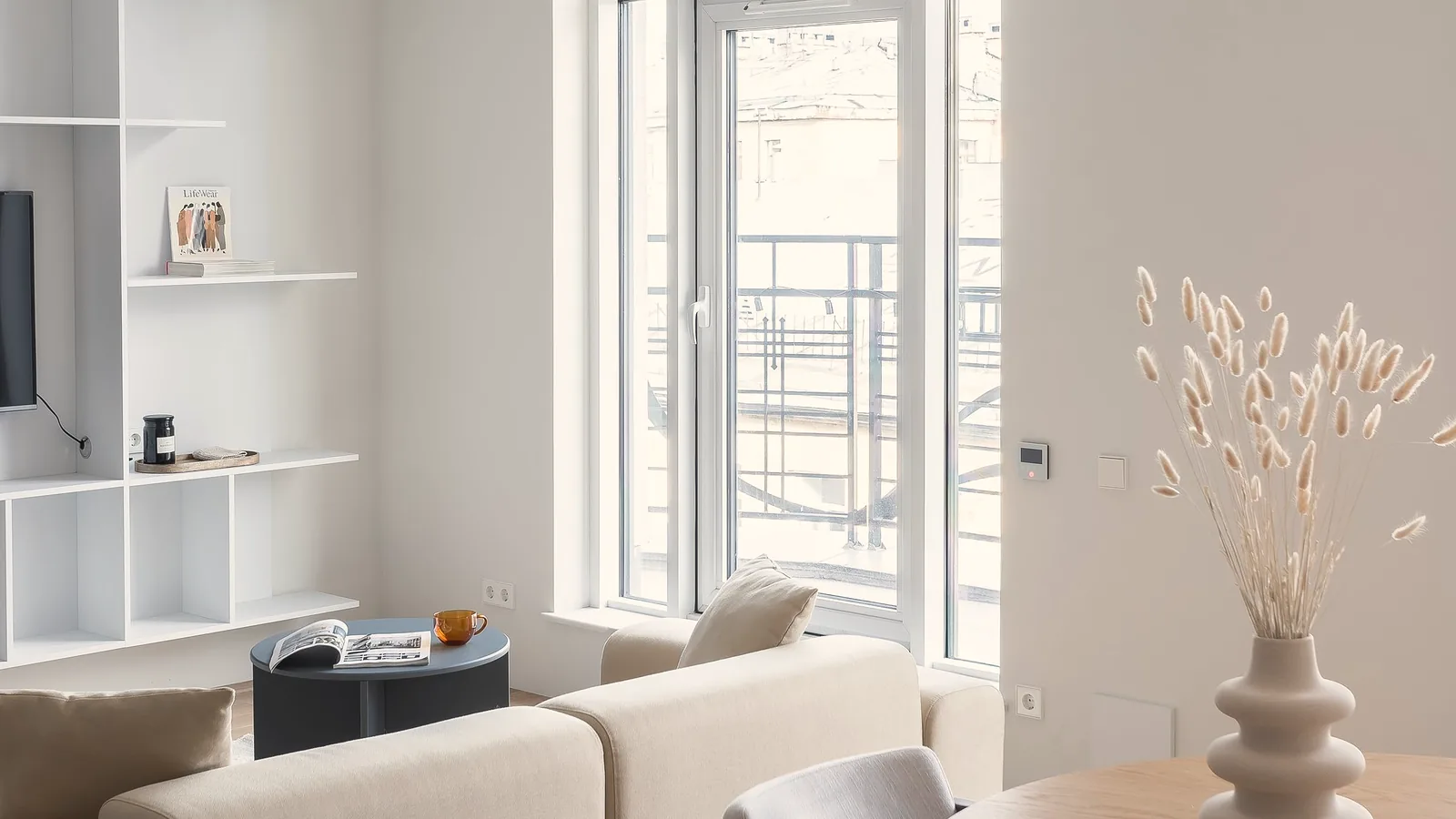
Scandinavian interior design is a calm, functional style from the Nordic countries. It uses pale walls, light wood, simple furniture, soft textiles and careful lighting to make small, dark or cold homes feel bright and welcoming. The idea is comfort, light and usefulness without clutter.
Key takeaways
- The style answers a northern climate: little daylight, long winters and a love of cosy time at home.
- Palette: white, grey, soft earth tones and natural wood, with one or two quiet accents.
- Furniture is simple, durable and well made, with visible craft.
- Lighting is layered and warm, and candles and lamps matter as much as the ceiling light.
- Warsaw and Gdańsk homes suit the style well, because the climate is similar.
What is Scandinavian interior design?
Scandinavian design comes from Denmark, Sweden, Norway, Finland and Iceland. It developed in the twentieth century around a simple belief: good design should be useful and available in daily life. The Nordic word hygge, often translated as cosiness, describes the mood the style aims for, a warm and relaxed home where people feel comfortable in the dark months.
You can recognise it by light surfaces, restrained decoration and furniture with clean lines and honest materials.
Which colours and materials define it?
| Element | Typical choice | Effect |
|---|---|---|
| Walls | White, soft grey, pale beige | Reflect light in dark months |
| Floors | Light oak, ash or pine, often wide boards | Warmth and a clean, natural base |
| Furniture | Birch, ash, oak, painted metal | Simple lines, visible grain |
| Textiles | Wool, linen, cotton, sheepskin | Softness and warmth |
| Accents | Muted green, dusty blue, clay, black | Calm contrast |
| Decor | Ceramics, paper lamps, plants, candles | Personal and light touch |
Compare these tones with the warmer earth tones in Mediterranean interior design.
How does a Scandinavian layout work?
The layout is open and practical. Rooms are used for what people really do, so you will often see a dining table by a window, a reading corner and storage hidden in clean cabinets. Light is protected: windows are kept clear or dressed with sheer curtains, and furniture is placed so that it does not block the daylight.
- Keep the windows free and use light curtains.
- Choose low and medium height furniture to keep the room open.
- Plan closed storage so that surfaces stay calm.
- Create zones, such as a work corner or reading spot, with a rug and a lamp.
- Add a few personal objects instead of many small ones.
What makes Scandinavian lighting special?
Lighting in the Nordic style is layered and warm. In winter there may be only a few hours of daylight, so homes use many small sources: a pendant over the table, a floor lamp by the sofa, candles, and wall lights. Fittings are simple and often made of paper, glass, wood or metal. Choose warm white bulbs and dimmers.
How do you bring the style into a Warsaw apartment?
Polish winters are similar to Nordic ones, so the style fits naturally. Practical steps:
- Use light oak flooring and add wool rugs.
- Paint the walls a warm white rather than a cold one.
- Choose simple, good quality furniture that will last.
- Add plants, which bring life when daylight is low.
- Use built in storage in small apartments.
- Keep textures rich: wool, linen, ceramic and wood make a pale room feel inviting.
For a more Mediterranean and craft rich approach in the same city, see Spanish style in a Warsaw apartment.
How is it different from Japandi and minimalism?
Scandinavian design is warm and functional, with a light and friendly feeling. Minimalism removes more, with fewer objects and a stricter look. Japandi mixes Scandinavian simplicity with Japanese ideas about craft and calm, and tends to use darker woods and more muted tones. Scandinavian rooms can hold more softness and personal items than a strictly minimal room.
What are the key furniture pieces?
Scandinavian furniture is known for simple shapes and sturdy build. A few pieces do most of the work: a solid wood dining table with sturdy chairs, a sofa with a simple frame and soft cushions, a lounge chair for reading, a bed with a plain headboard, open shelving and a low sideboard. Choose pieces that can be repaired and that stay good looking as the finish ages. Mixing a few older or second hand pieces with new ones gives a personal feeling and supports sustainability.
How should you style the rooms?
In the living room, build around a sofa, a rug and a table lamp, and keep the surfaces calm. In the bedroom, use natural bedding, a soft throw and bedside lights. In the kitchen, light fronts, wood details and open shelves with a few ceramics are typical. In the hallway, make room for hooks, a bench and a mirror. Style with groups of three or five objects and leave space between groups.
What mistakes should you avoid?
- Too much white. Without texture and warm light, a white room feels cold.
- Copying showroom looks. Add personal objects and layers.
- Cheap, unstable furniture. The style depends on quality and proportion.
- Ignoring storage. Clutter breaks the calm.
- Cold light bulbs. Warm light changes the whole mood.
How do you add personality without clutter?
Choose a few objects that mean something to you: a ceramic from a trip, a framed print, a vintage chair or a handwoven blanket. Group them with space around them, rotate them with the seasons and keep the rest of the surface clear. Scandinavian rooms are calm because each object has room to be seen.
Frequently asked questions
What colours are typical in Scandinavian interiors?
White, soft grey, beige and pale wood form the base. Accents are muted: green, blue, clay or black in small amounts.
Is Scandinavian style expensive?
It depends on the choices. The style values quality over quantity, so a few well made pieces are better than many cheap ones. Plan a budget level before you shop.
Can I mix Scandinavian and Spanish styles?
Yes. Combine the Scandinavian base of light wood and white walls with Spanish ceramics, lime texture or a patterned tile. Keep one clear palette to avoid a mixed look.
Does the style suit small apartments?
Very well. Light colours, open layouts, multi purpose furniture and concealed storage help small homes feel larger.
How Kaster Group can help
If you are considering a Scandinavian inspired or mixed style for your home, we can help you plan the palette, materials and light.
Kaster Group offers interior design and luxury renovation in Warsaw and Gdańsk, as well as in Madrid, Marbella and Tenerife, from the first sketch to the final styling.
The Spanish group behind Kaster has more than 10 years of experience in the real estate sector in Spain.
To talk about your project, write to info@kastergroup.eu or visit the Kaster Group studio page.
This article is general information, not legal or tax advice. Rules change; always confirm your situation with a notary, lawyer or tax adviser.