Interior Design Brief: What to Prepare Before the First Meeting
· 6 min read · Polski · ES · Українська
An interior design brief is a short document that tells a designer who will use the home, how it should feel, what it must do and what limits apply. Prepare your goals, the property details, the budget level, the schedule, images you like and a list of things you want to keep or avoid.
Key takeaways
- A brief saves time and money because it removes guesswork before design starts.
- It covers people, use, mood, property facts, budget level, timing and constraints.
- Images and examples help, but explain why you like each one.
- Be honest about priorities: not everything can be first.
- Share the brief in writing before the first meeting and update it as you decide.
What is an interior design brief?
A brief is the starting document of a design project. It does not need to be long or technical. Its job is to help the designer understand how you live, what you want from the space and what is possible. A good brief leads to a concept that fits you, fewer revisions and a better match between the budget and the result.
What should the brief include?
Use this list as a checklist and answer each point in a few lines.
- The people. Who lives in the home, their ages, habits and any special needs, such as pets, a home office or guests who stay often.
- The use. Is it a primary home, a holiday home, a rental or an apartment for sale? The answer changes every decision.
- The mood. Three to five words that describe the feeling: calm, warm, dramatic, playful, bright, quiet.
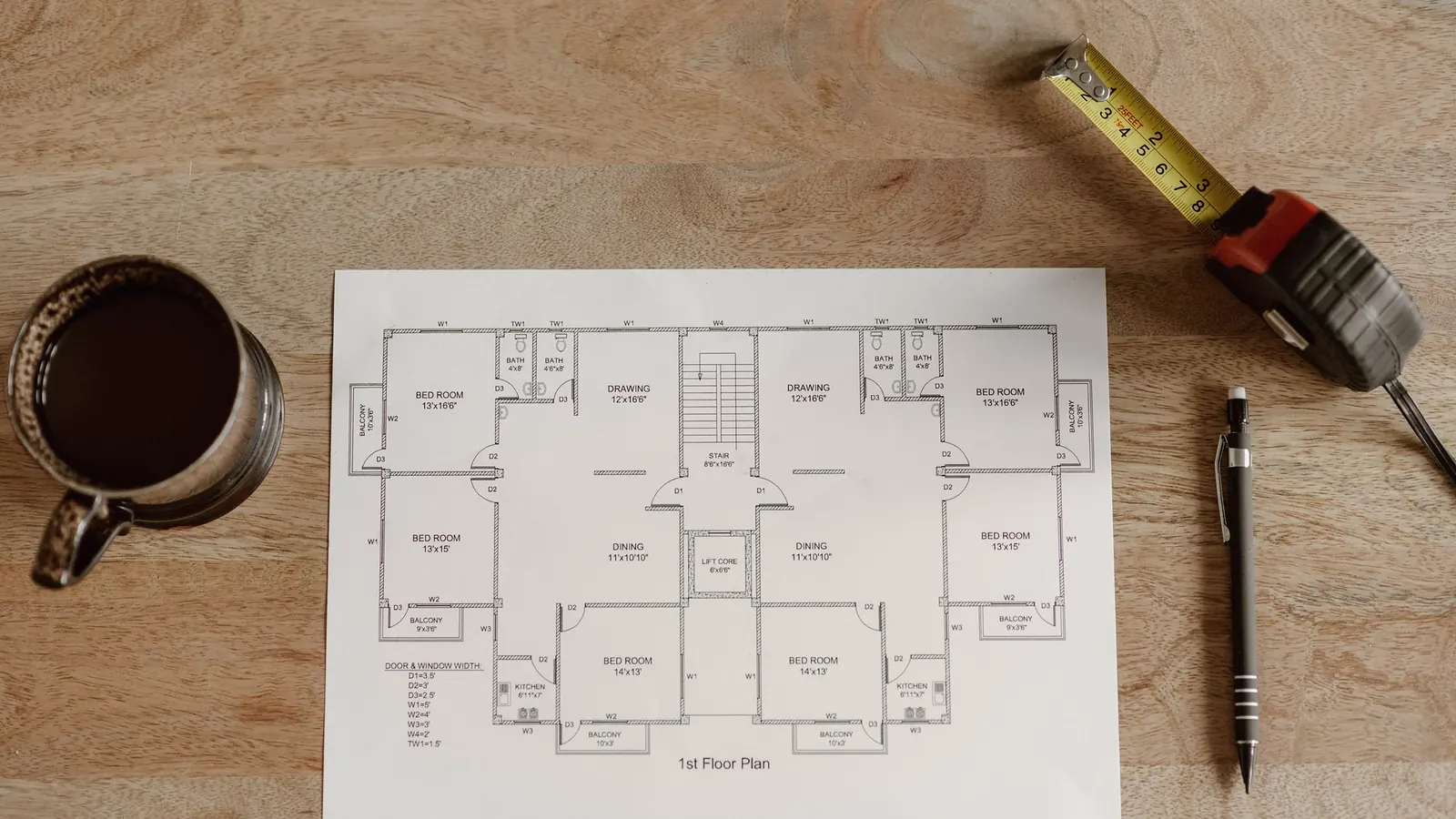
- The property. Building type, size, year or period of the building, floor plans, ceiling height, windows and any known problems.
- The scope. Which rooms, and whether you want design only, design and supervision, or full turnkey delivery.
- The budget level. A realistic frame, including furniture and a reserve for surprises. Our article on the renovation budget without surprises explains how to build one.
- The schedule. Move in date, holidays, any deadline for a sale or the start of rentals.
- Things to keep. Furniture, art or elements you want to use again.
- Things to avoid. Colours, materials or shapes you dislike, and why.
- Practical needs. Storage, lighting, work area, kitchen use, laundry, accessibility.
How do you describe your style when you do not know the words?
Many people cannot name a style and that is fine. Try these methods:
- Collect images. Save ten to twenty images of rooms, materials, objects and colours that attract you.
- Find the common thread. What do the favourites share: light, wood, colour, simplicity, craft?
- Say what you do not like. Strong dislikes are just as useful.
- Visit places. Hotels, restaurants and showrooms can show how materials feel.
- Ask the designer to react. A few sample moodboards will help you discover what you prefer.
Our guides to Spanish interior design and Mediterranean interior design may help you name a direction.
What facts about the property should you share?
| Information | Why it matters |
|---|---|
| Floor plan with dimensions | Layout, furniture and storage planning |
| Photographs of each wall and ceiling | Condition, light and details |
| Window directions and sizes | Light, heat and curtain choices |
| Building type and period | Installations, rules and materials |
| Heating and cooling system | Comfort and floor choice |
| Rules of the housing community | Working hours, changes allowed |
| Known problems, such as damp or noise | Early planning of repairs |
If the property is in Poland, ask the housing community or administrator about work rules before you plan. Our article on renovating an apartment step by step has more on preparation.
How do you talk about budget in a brief?
Talk about the level you expect, such as economical, mid range or premium, and what matters most to you. Say whether you prefer to invest in fixed elements like kitchen, bathroom and floors, or in furniture and decor. Include furniture and lighting in the budget, since these are often forgotten. Add a reserve for unexpected work, especially in older buildings. A designer can propose where to spend more and where to save if you are open about the limits.
What mistakes make a brief less useful?
- Only images and no explanation. The designer cannot see what attracts you.
- Too many styles at once. Choose a direction, even if it is broad.
- A budget kept secret. It leads to designs you cannot afford, or to a missed chance to do more.
- No priorities. Rank the three most important goals.
- Changing the brief during build. Late changes cost more than early ones.
How does the brief change by type of home?
A primary home needs comfort, storage and long term durability. A holiday home needs robust materials, easy cleaning and a plan for the months when nobody is there. A rental needs durable finishes, neutral taste and simple maintenance, and a home for sale needs broad appeal and a clear presentation. Say which of these applies, because the same designer will make very different choices for each.
How can you prepare for the first meeting?
- Send the written brief and floor plan in advance.
- Prepare your image collection and notes.
- List your questions about process, fees and timing.
- Decide who will take decisions if more than one person is involved.
- Be ready to discuss priorities and trade offs.
If you are choosing a professional, read how to choose an interior designer and our article on working with a Spanish design studio from abroad.
Frequently asked questions
How long should a design brief be?
One or two pages are enough for most homes. Clear answers and good images are more useful than a long document.
Do I need a brief if I use a full service studio?
Yes. Even a studio that guides you through questions will work better with your own thoughts written down.
Should I include a budget number?
Share a realistic range or level. A designer cannot plan materials and scope without understanding the frame.
Can I change the brief after the concept is approved?
You can, but it costs time and money. Small changes are normal, while large changes may require new drawings and orders.
How Kaster Group can help
If you want help preparing a brief or planning a project in Warsaw, Gdańsk or Spain, write to us and we will discuss your priorities.
Kaster Group offers interior design and luxury renovation in Warsaw and Gdańsk, as well as in Madrid, Marbella and Tenerife, from the first sketch to the final styling.
The Spanish group behind Kaster has more than 10 years of experience in the real estate sector in Spain.
To talk about your project, write to info@kastergroup.eu or visit the Kaster Group studio page.
This article is general information, not legal or tax advice. Rules change; always confirm your situation with a notary, lawyer or tax adviser.