Common Interior Design Mistakes and How to Avoid Them
· 5 min read · Polski · ES · Українська
The most common interior design mistakes are wrong scale, weak lighting, no storage plan, mismatched finishes and buying furniture before the plan is ready. Avoid them by measuring first, layering light, planning storage, repeating materials and deciding the layout before you shop.
Key takeaways
- Most mistakes come from skipping planning, not from poor taste.
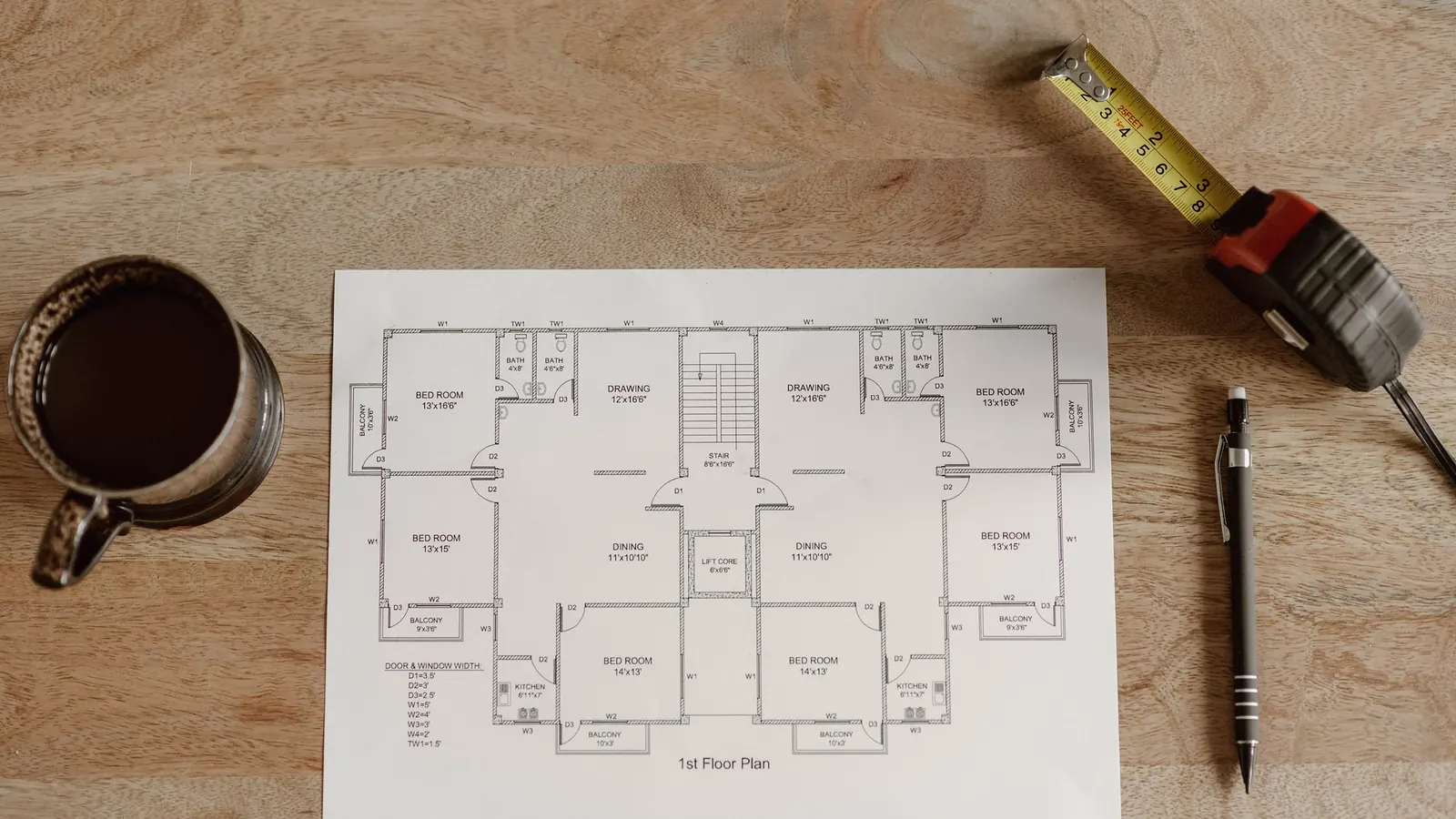
- Measure rooms and furniture, and draw a plan before you buy anything large.
- Use several layers of light instead of one ceiling fixture.
- Plan storage as seriously as seating; clutter spoils even a beautiful room.
- Limit materials and colours, and repeat them across rooms for a calm result.
Why do interior design mistakes happen?
People often decorate in the order they feel excited about: they buy a sofa, then a rug, then discover the room does not work. A good interior begins with the way you live, the dimensions of the space and the technical details such as lighting and sockets. When those are missing, even expensive pieces look wrong.
Below are the mistakes we see most often, with a simple fix for each. If you are planning a larger project, our guide to planning an apartment renovation explains the order of decisions.
What are the most common mistakes and their fixes?
- Wrong scale. Furniture that is too large crowds the room, and furniture that is too small looks lost. Fix: measure the room and each piece, tape the footprint on the floor and check circulation before you buy.
- One light for the whole room. A single ceiling fixture flattens a room and causes harsh shadows. Fix: layer general light, task light and soft light at seating height, as explained in our guide to lighting design for homes.
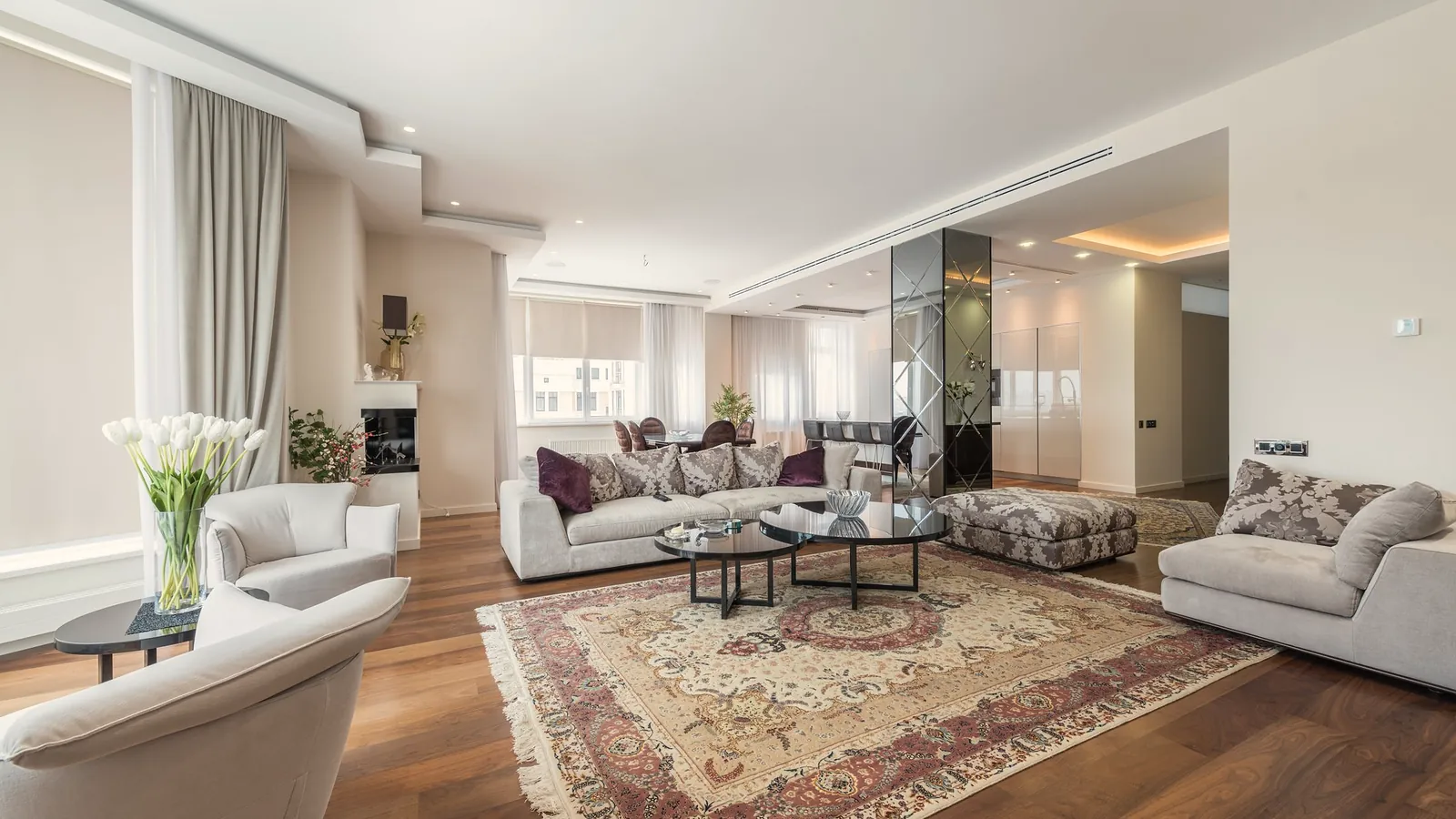
- Rugs that are too small. A small rug makes furniture look scattered. Fix: choose a rug large enough for the front legs of the seating to rest on it.
- Curtains that are too short or too narrow. They make windows look smaller. Fix: hang the rail high and wide and let the fabric reach the floor.
- No storage plan. Without a place for belongings, clutter takes over. Fix: list what you own and design storage before choosing decor.
- Mismatched finishes. Many woods, metals and colours compete. Fix: choose a short palette of materials and repeat it in several rooms.
- Following trends without a plan. A trend that does not suit your home dates quickly. Fix: choose timeless materials for large surfaces and use trends in small, changeable items.
- Ignoring circulation. Furniture that blocks doors or routes makes a room tiring. Fix: keep clear paths and check door and drawer swings.
- Pushing all furniture against the walls. The centre of the room stays empty and cold. Fix: float seating in groups where space allows.
- Skipping technical details. Missing sockets and poor ventilation are expensive to fix later. Fix: include them in the plan before works begin.
How do you choose the right scale?
Scale means how objects relate to the room and to each other. A large room can handle bold pieces, while a small room needs fewer, smaller items. Use paper or masking tape on the floor to mark the footprint of a sofa or a table, and walk around it. Check that doors open fully and that there is enough space to sit, stand and pass.
Think vertically as well. Tall curtains, high shelves and tall lamps create height, and a very low sofa under a high ceiling can look lost. Our article on small apartment interior design explains how furniture scale changes the feel of a compact home.
Why does buying before planning cause problems?
Pieces bought without a plan often have the wrong size, colour or style. They may not fit the lift, the stairs or the door. Returns are slow, and pressure to make the pieces work leads to compromises. A better order is: brief, layout, technical plan, materials, lighting, then furniture, and finally decor. For budgets, see our guide on renovation budgets without surprises.
How do you avoid colour and material overload?
Choose three or four main colours and two or three main materials for the whole home. Use them in different proportions in each room. For example, use oak on floors and furniture, lime white on walls and black metal in small details. Variation comes through texture, not through new materials in every room. Our guide to choosing a colour palette shows how to test colours in natural light.
What should you check before you start?
- Measurements: rooms, doors, windows, lift and stair access.
- Function: who uses each room and for what.
- Storage: what must be stored and where.
- Light: daylight direction and the position of light fittings.
- Sockets and switches: location, number and height.
- Budget: purchases, works and a reserve for changes.
What should you do when you notice a mistake?
Fix the cause, not the symptom. If a room feels dark, add layers of light before repainting. If it feels cluttered, add storage before removing decor. If the furniture looks wrong, check the scale and the layout before buying new pieces. Sometimes simply moving a piece or changing a bulb makes the difference. If a mistake is built in, such as poor positioning of sockets, ask a professional for options before you decide to replace things.
Frequently asked questions
What is the biggest interior design mistake?
Buying before planning. Without a layout and a measured plan, furniture and finishes rarely work together, and corrections cost time and money.
How can I avoid making my room look cluttered?
Plan enough closed storage, keep surfaces clear, limit the number of decorative items and group them. Choose a few larger pieces instead of many small ones.
Do I need a designer to avoid these mistakes?
Not always, but a designer can help you decide in the right order, check the scale and technical details and coordinate trades. Even a short consultation before buying large items can prevent costly errors.
How Kaster Group can help
If you want to avoid costly mistakes and design your home in the right order, we can help you plan the layout, the materials and the budget.
Kaster Group offers interior design and luxury renovation in Warsaw and Gdańsk, as well as in Madrid, Marbella and Tenerife, from the first sketch to the final styling.
The Spanish group behind Kaster has more than 10 years of experience in the real estate sector in Spain.
To talk about your project, write to info@kastergroup.eu or visit the Kaster Group studio page.
This article is general information, not legal or tax advice. Rules change; always confirm your situation with a notary, lawyer or tax adviser.