Interior Materials Guide: Stone, Terrazzo, Microcement and Oak
· 6 min read · Polski · ES · Українська
The most useful interior materials to understand are natural stone, terrazzo, microcement, oak and ceramic tile. Each has a different look, durability, maintenance and cost level. Choose the material for where it will be used, how it ages and how you live, not only for its appearance.
Key takeaways
- Match the material to the room: floors, walls, wet areas and worktops have different needs.
- Natural materials age with character, but some need sealing and regular care.
- Microcement and plaster give seamless walls, but require expert installation.
- Oak is durable and repairable, and works in many styles.
- Always view samples in your own light and check technical data before ordering.
How do you choose interior materials?
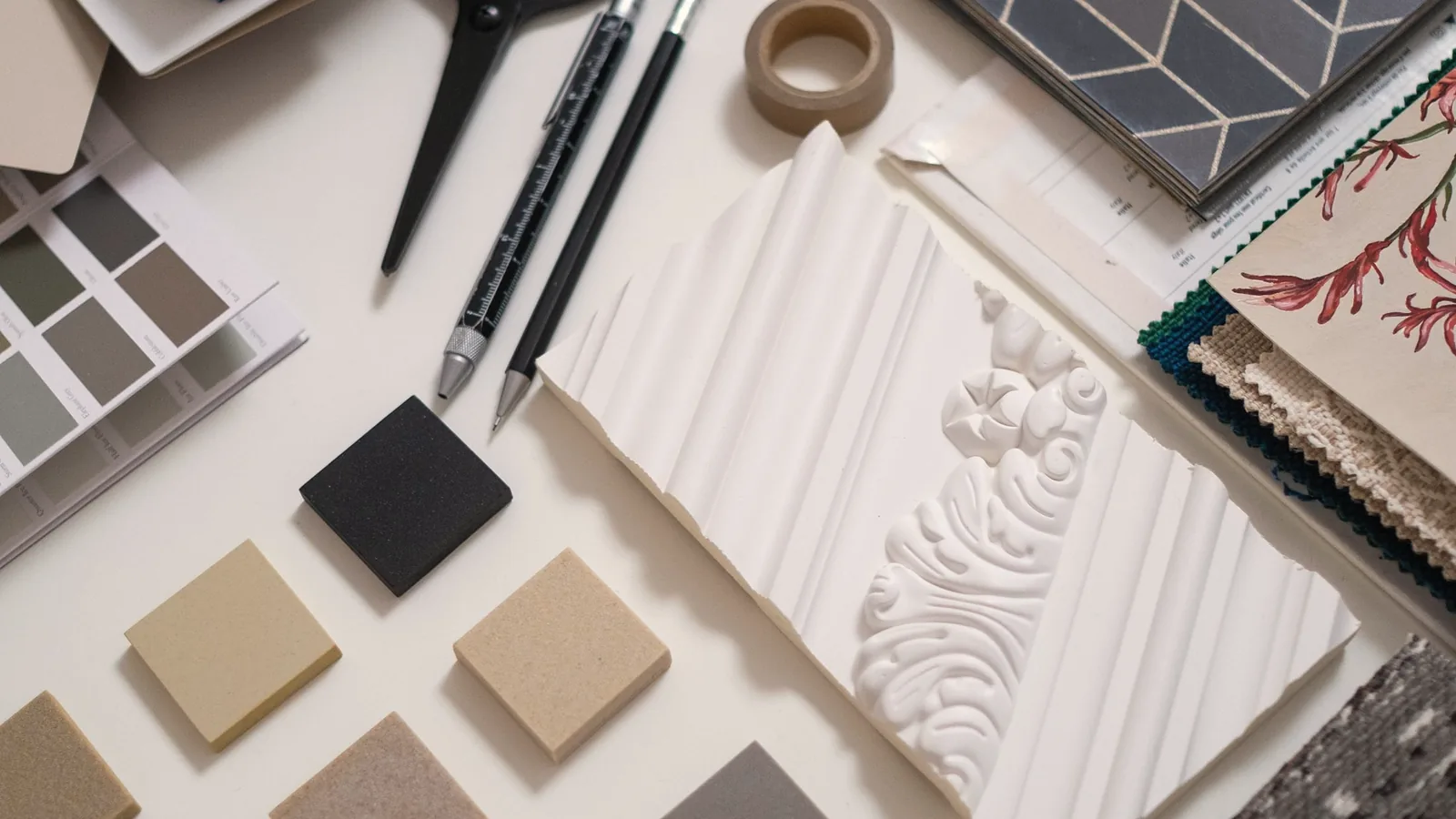
Start with function. Think about moisture, wear, cleaning and heat. Then consider appearance: colour, texture, pattern and the way light falls on the surface. Finally, check cost, availability and installation. A beautiful material in the wrong place causes problems, while a modest material in the right place can look exceptional.
What are the main materials and what are they like?
| Material | Look | Best uses | Care and caution |
|---|---|---|---|
| Natural stone (marble, limestone, travertine) | Veined, soft or dramatic, unique | Floors, bathrooms, worktops, fireplaces | Some stones stain or etch, sealing and care needed |
| Terrazzo | Chips in a binder, playful or refined | Floors, stairs, worktops, tables | Durable, polish and seal as advised, grout lines in tile form |
| Microcement | Seamless, soft, matte | Walls, floors, bathrooms, kitchens | Needs skilled installers, can crack if base moves |
| Oak | Warm, natural grain, many finishes | Floors, doors, furniture, joinery | Sensitive to water, can be sanded and refinished |
| Ceramic and porcelain tile | Patterned or plain, many formats | Floors, walls, wet areas, kitchens | Hard wearing, check slip rating and frost resistance |
| Lime plaster | Soft, matte, breathable | Walls and ceilings | Needs skilled application, can mark |
| Metal (brass, iron, steel) | Precise, tactile detail | Handles, lights, frames, shelves | Finish choice affects wear |
| Textiles (linen, wool, cotton) | Soft, tactile | Curtains, upholstery, rugs | Check fibre, cleaning and fading |
When should you choose natural stone?
Stone brings weight and authenticity. Marble is elegant but delicate, limestone is soft in colour and suits Mediterranean interiors, and travertine has a warm, porous character. For floors and worktops, ask about hardness, porosity and sealing. Use stone where you can enjoy it, such as a bathroom, a hall or a kitchen, and consider the effect of underfloor heating with the installer.
What is terrazzo and where does it work?
Terrazzo is a composite of stone chips set in cement or resin and polished. It has a long history in Italy and Spain and is back in modern design. It is hard wearing and can be used for floors, stairs, worktops and furniture, in colours from calm neutral to bold. Poured terrazzo gives seamless floors, and precast tiles are easier to install.
What is microcement and is it right for you?
Microcement is a thin, cement based coating applied by hand, which creates a continuous, matte surface on walls, floors and even furniture. It suits modern and contemporary Spanish interiors, and it can be used in bathrooms with the right waterproof system. The quality of the result depends on the installer and the preparation. Ask for samples, references and care instructions, and expect that subtle variations are part of the look. It can show hairline cracks if the base moves, so it is better on stable substrates.
Why is oak so widely used?
Oak is strong, available and beautiful in many finishes, from pale and natural to smoked and dark. It is used for floors, doors, stairs, kitchens and furniture. Solid oak and quality engineered oak can be sanded and refinished. Oil finishes feel natural and are easy to spot repair, lacquer finishes resist stains. Keep oak away from standing water and use correct humidity control with underfloor heating. Oak works across styles, including Scandinavian and Japandi.
How do tiles compare?
Ceramic and porcelain tiles are among the most durable interior surfaces. Porcelain is denser and more water resistant, ceramic can be more varied in colour and handmade character. Patterned hydraulic tiles are typical in Spanish homes, while large format porcelain gives modern, seamless planes. Check slip resistance for floors and wet areas, and choose grout carefully. Tiles work well with underfloor heating.
How do you combine materials?
Limit the number to three or four per space, and repeat them. A typical combination is lime plaster walls, oak joinery and a stone floor, with metal details. Pair smooth with rough, matte with glossy and warm with cool. Make sure the undertones agree. Our guide on choosing a colour palette explains how to relate materials to colours.
Which materials suit kitchens and bathrooms?
For kitchens, use hard wearing worktops such as quartz, ceramic or sealed stone, and easy to clean fronts. For bathrooms, choose tile, sealed stone or waterproof microcement, and ensure proper waterproofing. Read the kitchen design guide and the bathroom design guide for more detail.
How do you think about sustainability and cost?
Durable, repairable and locally made materials are usually the better choice over time. A material that lasts for decades and can be repaired is more sustainable than a cheaper one replaced often. Costs vary widely by origin, thickness, finish and installation, so ask for written quotes.
What mistakes should you avoid?
- Choosing from a small sample. View a larger piece in your own light.
- Ignoring installation quality. The best material fails if installed badly.
- Forgetting maintenance. Ask how it will be cleaned and repaired.
- Using delicate materials in high wear areas. Place them where they will be admired, not abused.
- Mixing too many materials. Keep a restrained palette.
Frequently asked questions
Which flooring is best for an apartment?
It depends on use. Oak and porcelain tile are popular and reliable. Stone and terrazzo are premium options. Check noise, comfort and underfloor heating compatibility.
Is microcement waterproof?
Microcement itself is not waterproof, but with the right system, primers and sealers, it can be used in wet areas. Always follow the installer’s specification.
Is marble practical in a kitchen?
Marble is beautiful but can stain and etch with acids. Some people accept the patina, others prefer harder materials such as quartz or ceramic.
Can I mix tile and wood floors?
Yes, if the transitions are planned. Use a clean junction at doors and keep tones harmonious.
How Kaster Group can help
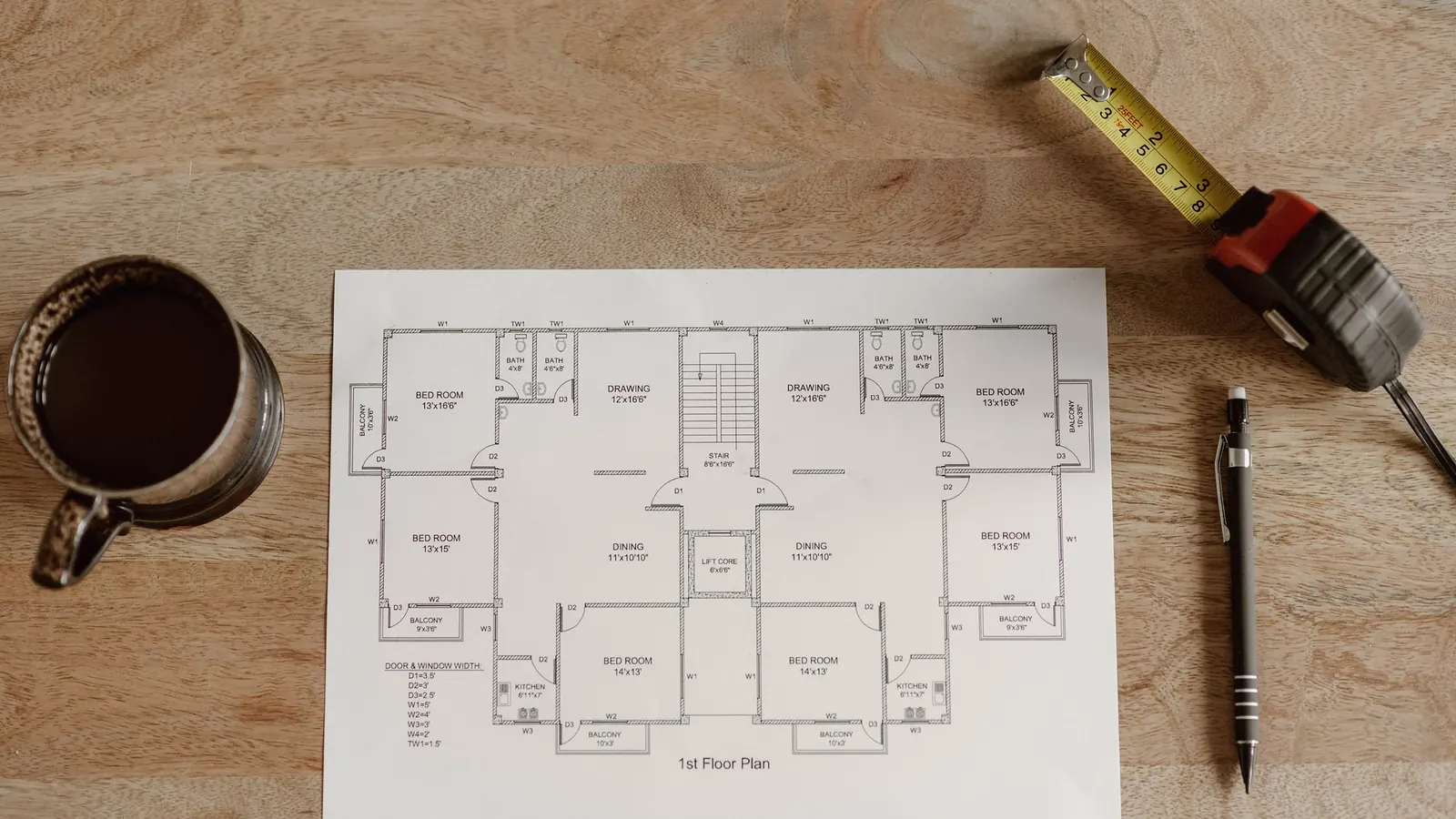
If you would like help selecting materials for your renovation in Warsaw, Gdańsk or Spain, we can review your plans and samples with you.
Kaster Group offers interior design and luxury renovation in Warsaw and Gdańsk, as well as in Madrid, Marbella and Tenerife, from the first sketch to the final styling.
The Spanish group behind Kaster has more than 10 years of experience in the real estate sector in Spain.
To talk about your project, write to info@kastergroup.eu or visit the Kaster Group studio page.
This article is general information, not legal or tax advice. Rules change; always confirm your situation with a notary, lawyer or tax adviser.