Quiet luxury in interior design: principles for a calm, timeless home
· 4 min read · ES · Polski · Українська
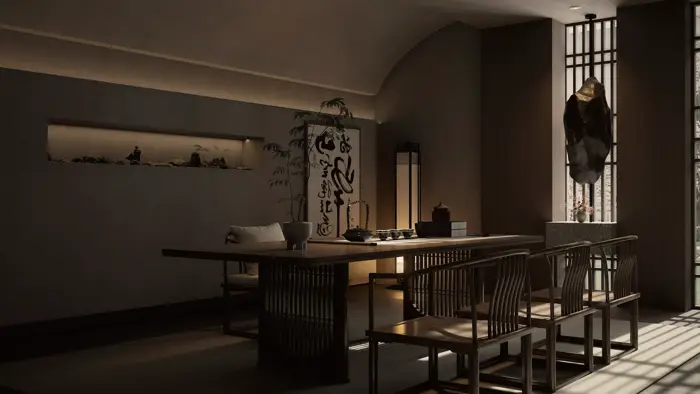
“Quiet luxury” has become a popular phrase, but in interiors it describes something enduring: homes that feel calm, generous and personal rather than showy. Instead of logos, statement pieces and trends, quality shows in proportion, materials, light and craftsmanship. Here are the principles behind it and how to apply them.
1. Start with proportion and space
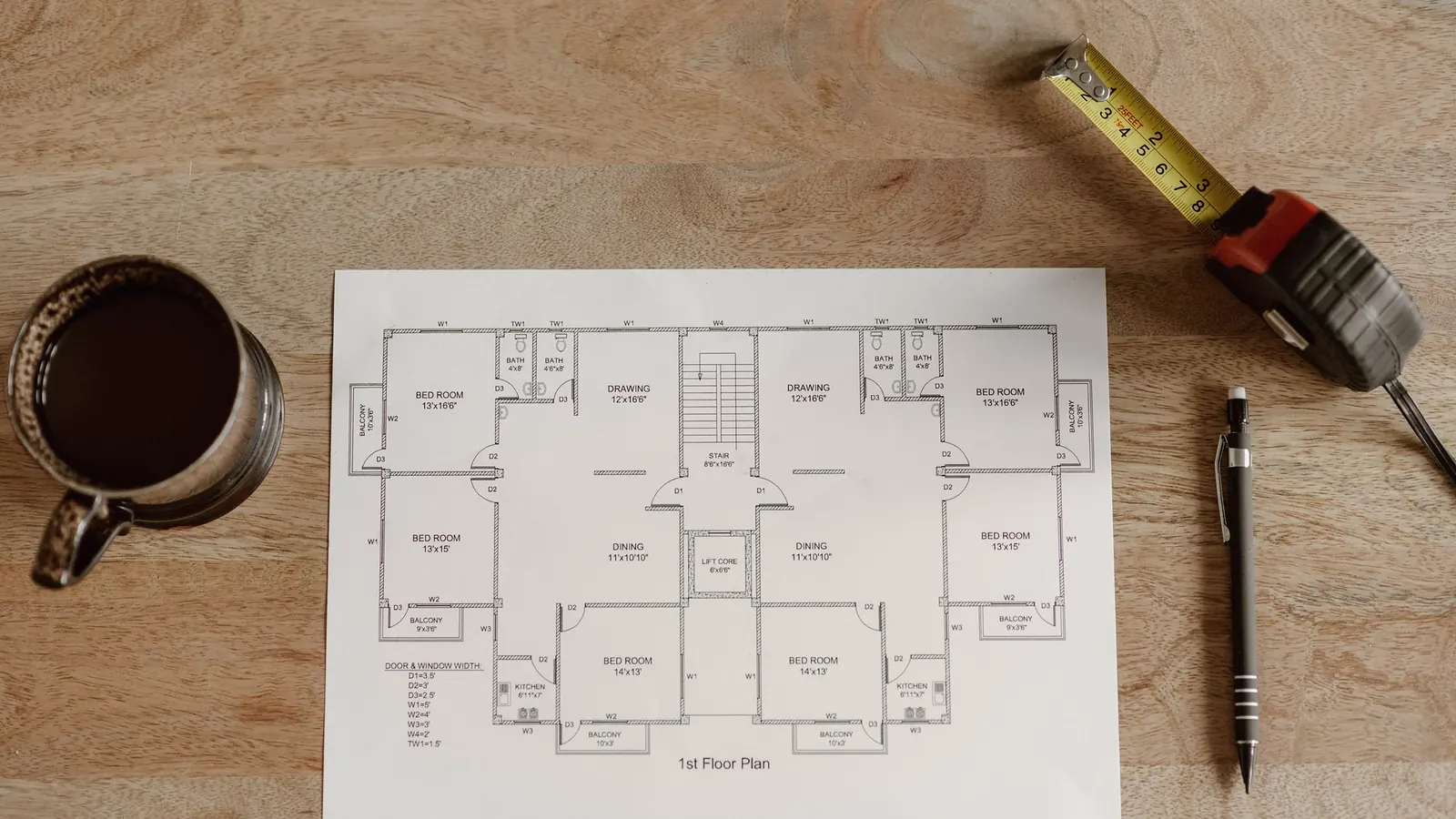
Luxury is often a question of space and how it is used. Before choosing finishes, look at the layout: generous circulation, clear sightlines, doors and openings in the right places, ceiling heights that feel intentional. A well-planned plan with fewer, better rooms usually feels more luxurious than many small ones.
2. A restrained palette
Quiet interiors rely on a limited palette of tones that sit well together:
- warm whites, sand, clay and stone,
- muted greens, greys and soft browns,
- occasional deeper accents – ink, oxblood, olive – used sparingly.
A restrained palette lets materials and light take the lead, and it makes a home easier to live with over many years.
Quiet luxury is not about having less. It is about everything earning its place.
3. Natural, honest materials
Natural materials age gracefully and reward touch. Think oak and walnut, limestone and travertine, lime plaster, linen, wool and leather. Choose finishes that will develop a patina rather than look worn. Consistency matters: repeat a few materials throughout the home instead of introducing a new one in every room.
4. Light, in layers
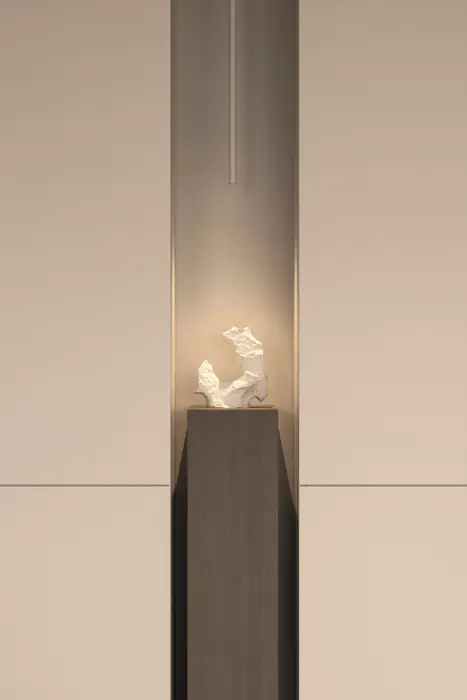
Daylight is the first material of any interior. Keep window treatments soft and simple, and use pale reflective surfaces where light is scarce. In the evening, layered lighting creates calm:
- low, warm ambient light rather than a single bright ceiling fixture,
- lamps at different heights,
- concealed lighting in joinery, niches and coves,
- dimmers and scenes for different moments of the day.
5. Bespoke joinery and hidden storage
Calm rooms are uncluttered rooms. Built-in joinery – full-height wardrobes, panelled walls that conceal doors, kitchen fronts that hide appliances – removes visual noise. Bespoke pieces also fit the architecture exactly, which is one of the clearest signs of quality.
6. Fewer, better pieces
Rather than filling rooms, choose fewer pieces with care: a sofa with excellent proportions, a solid dining table, chairs that are genuinely comfortable. Mix contemporary design with vintage and antique pieces; a home that has been collected over time feels more personal than one bought in a single order.
7. Comfort you don’t see
Quiet luxury extends to what you cannot see: acoustic comfort between rooms, good ventilation, underfloor heating, silent climate control, smart systems that are simple to use. These details shape daily life far more than any decorative object.
8. Craftsmanship and details
Look closely at the details: shadow gaps, how materials meet, the weight of a door handle, the finish of an edge. This is where craftsmanship becomes visible and where good design teams spend much of their time.
9. Make it personal
Finally, a quiet home should still say something about the people who live in it: books, art, objects from travels, family pieces. Restraint provides the frame; personality fills it.
Frequently asked questions
Is quiet luxury the same as minimalism? Not quite. Minimalism focuses on reducing objects; quiet luxury focuses on quality, comfort and warmth. A quiet interior can be layered and full of texture – it simply avoids anything that shouts.
Does quiet luxury have to be expensive? Quality materials and bespoke joinery do cost more, but the approach is about priorities: investing in the things you touch and use every day, and buying fewer, better pieces rather than many trend-driven ones.
Will it date? Restrained palettes, natural materials and good proportions have always aged well. What dates fastest is anything that depends on a passing trend – a particular colour, shape or finish used everywhere.
How do I start in an existing home? Begin by editing: remove clutter, simplify the palette and improve the lighting. Then invest step by step – better window treatments, a good sofa, built-in storage – rather than replacing everything at once.
Does it work in a commercial space? Yes. Hotels, restaurants and boutiques use the same principles – calm palettes, tactile materials, considered lighting – to create spaces that guests remember. See our commercial and hospitality work.
Where should I spend first? On the things that shape daily comfort: lighting, flooring, acoustics, storage and the pieces you use every day, such as the sofa, bed and dining chairs. Decorative objects can be added gradually over time.
How Kaster Group can help
Kaster Group offers interior design and luxury renovation in Warsaw, Gdańsk, Madrid, Marbella and Tenerife, from the first concept to the final styling. See also our studio.