Flooring Guide: Oak, Tile, Stone and Terrazzo Compared
· 6 min read · Polski · ES · Українська
Choose flooring by room, comfort and upkeep. Engineered oak is warm and repairable, ceramic tile is durable and water resistant, natural stone is elegant but needs care, and terrazzo is long lasting with a distinctive look. All four can work with underfloor heating if the system and the adhesive are matched.
Key takeaways
- Engineered oak suits living areas and bedrooms; tile and stone suit wet or high traffic rooms.
- Underfloor heating works with all four materials, but needs the correct build up and installer advice.
- Terrazzo and stone are heavy, so check the floor structure and the budget for installation.
- Upkeep differs: oil or lacquer for oak, sealing for stone, grout care for tile.
- One continuous floor through the main rooms makes an apartment feel larger and calmer.
How do the four floors compare?
| Floor | Look and feel | Strengths | Points to watch |
|---|---|---|---|
| Engineered oak | Warm, natural, soft underfoot | Stable, can be refinished, works with underfloor heating | Scratches, water damage, finish needs periodic care |
| Ceramic or porcelain tile | Clean, many formats and finishes | Very durable, water resistant, easy to clean | Cold feel without heating, grout lines, can feel hard |
| Natural stone | Rich, unique patterns, timeless | Long life, excellent with underfloor heating | Porous, needs sealing, can stain and scratch, heavy |
| Terrazzo | Speckled, characterful, seamless or in tiles | Very durable, repairable, many colour options | Cost, weight, skill needed for installation and polishing |
Each material also affects sound. Hard floors reflect noise, so a rug, curtains and upholstered furniture help in rooms with tile, stone or terrazzo. Our guide to interior materials: stone, terrazzo, microcement and oak explains the character of each in more detail.
Why choose engineered oak?
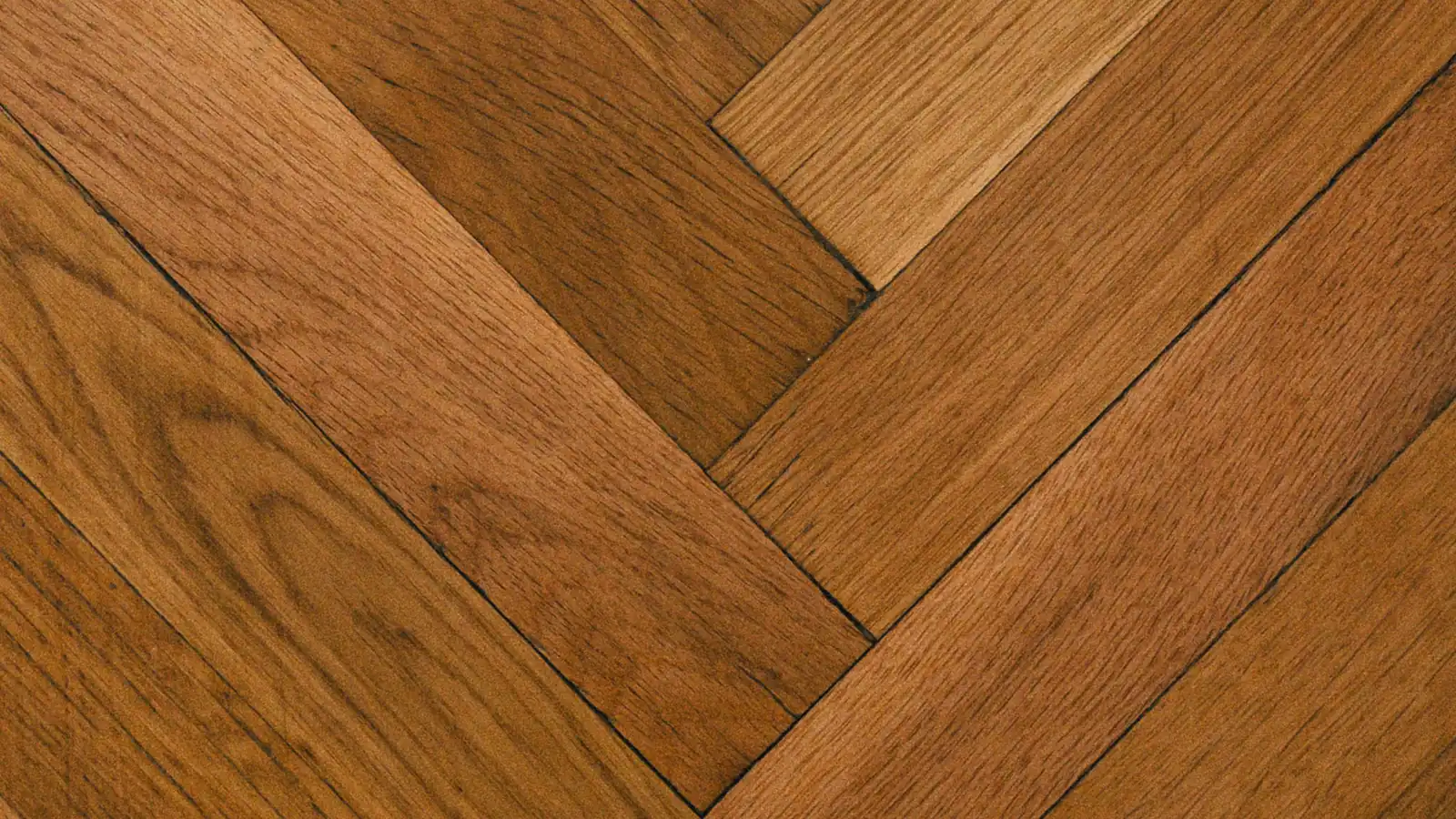
Engineered oak has a real oak surface on a layered core, which makes it more stable than solid timber when temperature and humidity change. It is a good choice for living rooms, bedrooms and hallways, and for apartments with underfloor heating. A thicker wear layer can be sanded and refinished, which extends the life of the floor.
Choose the finish with care. Oil keeps a natural, matt look and can be spot repaired, while lacquer is more resistant to spills but harder to repair locally. Light, brushed finishes hide scratches better than very dark, smooth ones. Always ask the supplier for installation advice, because a flat, dry subfloor is essential.
When does tile make sense?
Ceramic and porcelain tile is the practical choice for bathrooms, kitchens, entrances and balconies. It tolerates water, heat and daily wear. Large formats reduce grout lines and make small rooms feel calm, while smaller formats give more grip in showers. Matt or textured surfaces are safer when wet than polished ones.
Tile can feel cold underfoot without heating, but it conducts heat well and pairs naturally with underfloor systems. For wet areas, see our guide to bathroom design and renovation, which covers waterproofing and slip resistance.
What should you know about natural stone?
Marble, limestone, travertine and slate each look and behave differently. Stone is beautiful because every piece is unique, but it is also porous and can mark with acids such as lemon juice and wine. Honed finishes look softer than polished ones and hide small scratches better. Seal stone when it is laid and re-seal as the supplier advises.
Because stone is heavy, confirm that the floor structure can carry it, especially in older buildings. Installation requires skilled fitters, a flat base and the correct adhesive, particularly over underfloor heating.
Is terrazzo a good choice for a home?
Terrazzo combines stone or marble chips in a binder, and can be cast in place or supplied as tiles. It is very durable, can be polished and repaired, and offers a wide range of colours and chip sizes. It suits entrance halls, kitchens, living areas and bathrooms, and works well in both traditional and modern interiors.
The main considerations are cost, weight and the quality of the installer. A poorly laid terrazzo floor can crack, so choose a specialist with references and ask to see finished work.
How do these floors work with underfloor heating?
All four floors can be used over underfloor heating if the system is designed for them. Stone and tile conduct heat well and warm quickly. Engineered oak needs a floor product approved for heating, a moderate surface temperature and a stable subfloor. Terrazzo needs a carefully designed screed and movement joints. Always ask the heating installer and the flooring supplier to confirm compatibility in writing, and follow the heat up and cool down instructions.
How do you choose by room?
- Living room and bedroom: engineered oak for warmth, or stone for a more formal look.
- Kitchen: porcelain tile, terrazzo or sealed stone for resistance to spills; oak is possible with care.
- Bathroom: matt porcelain tile or sealed stone, chosen for slip resistance.
- Entrance hall: tile, stone or terrazzo, which tolerate dirt and moisture.
- Home office and hallway: whichever floor continues the main living space.
For kitchen floors in particular, our kitchen design guide explains how worktops, cabinets and flooring fit together.
What mistakes should you avoid?
- Choosing a floor by photograph without seeing a large sample in your light.
- Laying wood on an uneven or damp subfloor.
- Forgetting the height difference between materials at doorways.
- Ignoring slip resistance in wet areas.
- Skipping the check of floor loads for stone or terrazzo.
Frequently asked questions
Is oak or tile better for a kitchen?
Tile is more resistant to spills and heat, so it is the safer choice for heavy use. Oak gives a warmer look and feels softer underfoot, and it can work well in a kitchen with good extraction and prompt cleaning of spills.
Can I use natural stone with underfloor heating?
Yes. Stone conducts heat well, but the system, adhesive and installation method must be suitable. Ask the installer to confirm the build up and the heating schedule before the floor is laid.
Which floor is easiest to maintain?
Porcelain tile is usually the easiest. Engineered oak needs regular gentle cleaning and occasional re-oiling, while stone needs sealing and care with acids. Terrazzo is durable but may need periodic polishing.
How Kaster Group can help
If you are choosing floors for a renovation and want the materials to work with your layout, heating and style, we can help you specify them.
Kaster Group offers interior design and luxury renovation in Warsaw and Gdańsk, as well as in Madrid, Marbella and Tenerife, from the first sketch to the final styling.
The Spanish group behind Kaster has more than 10 years of experience in the real estate sector in Spain.
To talk about your project, write to info@kastergroup.eu or visit the Kaster Group studio page.
This article is general information, not legal or tax advice. Rules change; always confirm your situation with a notary, lawyer or tax adviser.