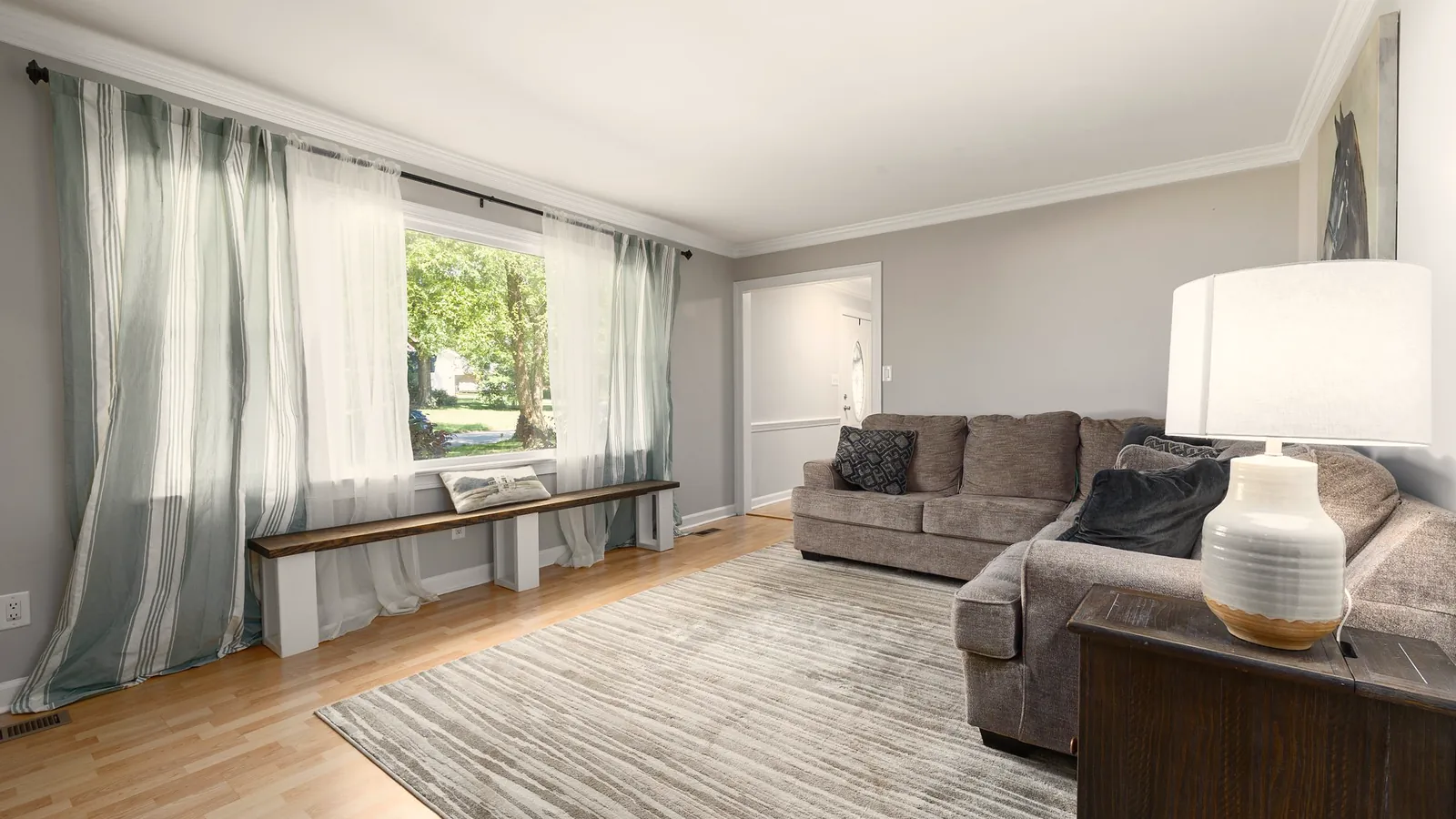
Curtains and Textiles: Linen, Wool and Layering a Room
· 6 min read · Polski · ES · Українська
Curtains and textiles warm a room, control light and soften sound. Use linen for a relaxed, filtered look, wool for warmth and acoustics, cotton for everyday use and velvet for evening depth. Layer sheer and heavier curtains, add a large rug, and choose fabrics by function before colour.
Key takeaways
- Fabric choice should follow function: light filtering, blackout, warmth, durability or sound absorption.
- Hang curtains high and wide, and let them reach the floor, so windows and ceilings feel taller.
- Layering a sheer curtain with a heavier one gives control over light and privacy.
- Rugs, upholstery and curtains reduce echo in rooms with hard floors.
- Check care instructions, shrinkage and sun fading before ordering made to measure textiles.
Why do curtains and textiles matter so much?
Textiles are the softest layer of an interior. They absorb sound, filter light, add texture and bring colour at low risk, because they can be changed more easily than walls or floors. In a room with plain walls and a calm floor, a good curtain can make the room feel finished. In a room full of hard surfaces, textiles are what make it comfortable to live in.
They also solve practical problems: glare, privacy, cold from windows, and noise from hard floors. Think of textiles as part of the technical plan, not only as decoration. Our guide to lighting design for homes explains how curtains and light interact through the day.
Which fabrics should you compare?
| Fabric | Character | Best for | Care and notes |
|---|---|---|---|
| Linen | Relaxed, textured, softly filtering | Living rooms, bedrooms, sheer and medium curtains | Creases naturally; may shrink, so allow for it in the pattern |
| Wool | Warm, dense, good for sound | Rugs, heavy curtains, upholstery, throws | Dry clean or follow the label; protect from moths |
| Cotton | Everyday, easy, many weights | Curtains, cushions, bedding | Washable in many cases; can fade in strong sun |
| Velvet | Rich, deep colour, dense | Evening rooms, upholstery, heavy curtains | Pile marks easily; choose a quality that suits the use |
| Silk and silk blends | Luminous, formal | Occasional use, decorative curtains | Sun damages it; line carefully |
| Synthetic blends | Durable, stain resistant | Sunny rooms, family homes, outdoor textiles | Choose natural looking weaves to avoid shine |
How do you layer curtains?
Layering means using two kinds of fabric at the same window: a sheer or light curtain closest to the glass, and a heavier curtain in front. The sheer softens daylight and gives privacy while you keep the view. The heavier curtain closes in the evening, blocks light and adds warmth. A blackout lining behind the heavy layer is useful in bedrooms.
Use a double rail or two rails. The sheer is usually hung closer to the window, while the heavy curtain hangs about a hand’s width further into the room, so that it can open fully without crushing the layer behind.
How should curtains be hung?
The way a curtain hangs matters as much as the fabric.
- Height. Fix the rail close to the ceiling or at the cornice to emphasise height.
- Width. Extend the rail beyond the window frame on both sides, so the open curtain uncovers the glass fully.
- Length. Let curtains touch the floor or end a few millimetres above it; avoid awkward lengths that stop between sill and floor.
- Fullness. Use plenty of fabric. Fullness, usually about twice the rail width, gives soft folds and a luxurious look.
- Hardware. Choose a simple rail in a colour close to the wall or the frame. Heavy fabric needs strong brackets.
What about rugs and cushions?
A rug anchors a seating area and warms a hard floor. Choose one large enough for the front legs of the sofa and chairs. Wool is durable and soft; flat woven cotton or jute suits dining areas and kitchens. For comfort, use a non slip pad. Cushions and throws bring colour and texture. Limit the palette and repeat colours across the room. Our guide to choosing a colour palette shows how to build a scheme that textiles can follow.
How do textiles help acoustics?
Hard floors, large windows and bare walls reflect sound. Curtains, upholstered furniture, wool rugs and wall hangings absorb it. In open rooms, even a single heavy curtain on a large window changes how a room sounds. In bedrooms, soft materials help create a quiet atmosphere. For long living rooms and open plan spaces, combine textiles with furniture groupings, as described in our article on open plan living room design.
How do you care for textiles?
Check the label before buying. Linen and cotton may shrink, so ask whether the fabric is pre washed. Wool needs gentle cleaning and airing. Velvet and silk are best dry cleaned. Sun fades many fabrics, so line curtains in south facing rooms and rotate cushions. Keep a log of the fabric names and the supplier so that replacements match. Vacuum rugs regularly, and rotate them occasionally to even out wear.
How do you plan a textile scheme room by room?
- Living room: linen or cotton curtains, a large wool rug, a few cushions in two or three related colours.
- Bedroom: blackout lined curtains, soft bedding in natural fibres, a rug beside the bed. See our article on bedroom design for layout and light.
- Dining room: washable cushions and a rug that tolerates chairs and spills.
- Home office: curtains to reduce glare and a rug to improve sound.
- Entrance: a durable runner or doormat that can be cleaned.
Frequently asked questions
Which curtains are best for a bedroom?
A medium or heavy curtain with a blackout lining, hung high and reaching the floor, gives the best darkness and a calm look. Combine it with a sheer layer if you want light in the daytime.
Is linen practical for curtains?
Yes, if you like its relaxed look and natural creasing. Allow for shrinkage, choose a lining in sunny rooms and follow the care label. Linen filters light beautifully and works with many styles.
How do I choose a rug size?
Choose a rug that is large enough for at least the front legs of the sofa and chairs to stand on. In a dining room, the rug should extend beyond the chairs so they stay on it when pulled out.
How Kaster Group can help
If you want a room that feels warm and finished, we can design the textiles, lighting and furniture together so they work as one scheme.
Kaster Group offers interior design and luxury renovation in Warsaw and Gdańsk, as well as in Madrid, Marbella and Tenerife, from the first sketch to the final styling.
The Spanish group behind Kaster has more than 10 years of experience in the real estate sector in Spain.
To talk about your project, write to info@kastergroup.eu or visit the Kaster Group studio page.
This article is general information, not legal or tax advice. Rules change; always confirm your situation with a notary, lawyer or tax adviser.