Apartment renovation in Gdańsk, Sopot and Gdynia: a guide for the Tricity
· 6 min read · ES · Polski · Українська
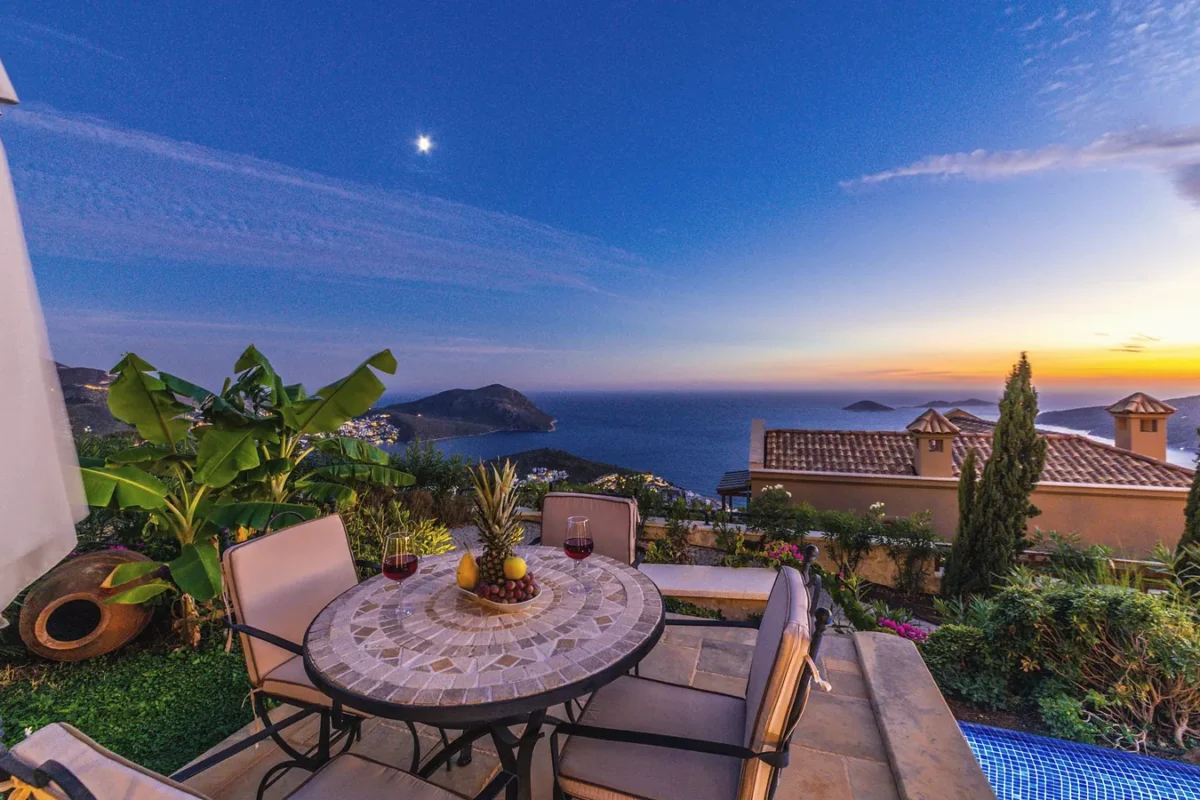
The Tricity – Gdańsk, Sopot and Gdynia – combines very different kinds of property within a short drive: historic townhouses, pre-war villas, modernist buildings in Gdynia and new apartments on the waterfront. Each needs a slightly different approach to renovation. This guide covers what to check before you start, how the coastal climate affects materials, and how to run the project smoothly – even from abroad.
Key takeaways
- Identify the building type first: historic, modernist, post-war or new-build.
- In heritage areas, check the conservation requirements before designing.
- Sea air, humidity and wind call for careful choice of materials and ventilation.
- Holiday apartments need durable, easy-care finishes and smart storage.
- Remote owners need one coordinator, a clear schedule and regular reports.
Know your building
Historic townhouses and the old centre
Apartments in historic parts of Gdańsk and in older buildings in Sopot often have high ceilings, original doors, wooden floors and decorative details. They also tend to have old installations and uneven walls. Some buildings and areas are protected; in that case certain works – especially on facades, windows and common parts – may require consultation with the heritage conservation authority. Check this at the very beginning.
Pre-war villas in Sopot and Oliwa
Villas divided into apartments bring character and gardens, but also shared decisions with other owners, old roofs and wooden structures. A technical survey before purchase or design is essential.
Gdynia modernism
Gdynia is known for its interwar modernist architecture. Original features – terrazzo, steel balustrades, rounded corners, generous windows – are worth preserving and complementing with restrained, contemporary materials.
New waterfront apartments
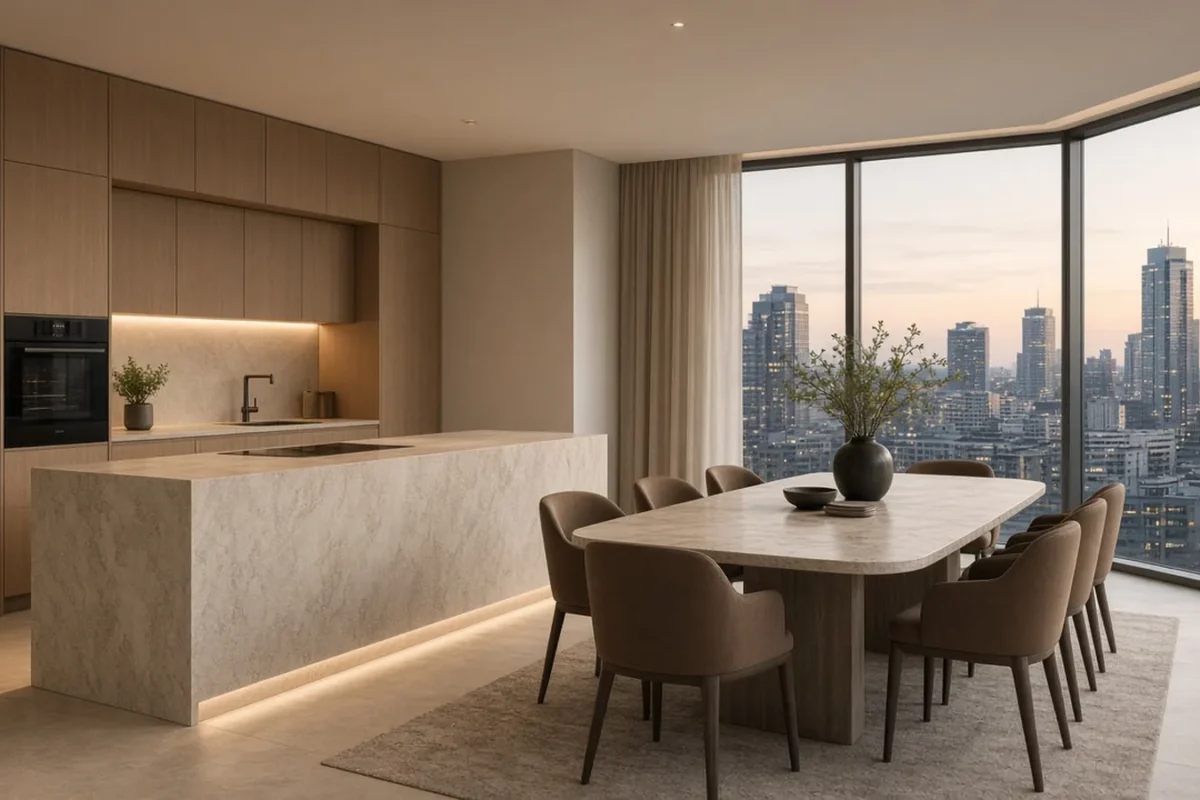
New developments, for example on Wyspa Spichrzów in Gdańsk or along the coast, are usually delivered in developer standard. The work then resembles turnkey finishing; see our guide to turnkey apartment finishing – most of it applies here too.
Coastal climate and materials
Living by the Baltic brings fresh air and light, but also humidity, salt and wind. Practical consequences:
- Ventilation – well-designed ventilation, and in tight new apartments often mechanical ventilation with heat recovery, helps prevent condensation and mould.
- Windows and terraces – quality frames, proper sealing and drainage on balconies and terraces.
- Floors – engineered oak handles humidity changes better than wide solid boards; stone and porcelain work well in entrances.
- Metal details – on balconies, choose finishes that resist corrosion.
- Textiles – natural, washable fabrics such as linen.
By the sea, durability is part of the aesthetic. A finish that looks tired after two seasons is not luxury.
The renovation, step by step
1. Survey and diagnosis
Technical condition, installations, moisture, windows, acoustics between apartments. In older buildings, also the condition of ceilings and floors.
2. Rules and permissions
Building and community rules, heritage requirements if relevant, and whether the planned works need notification or a permit. The scope of formalities depends on the works – confirm it with an architect or the local authority.
3. Design
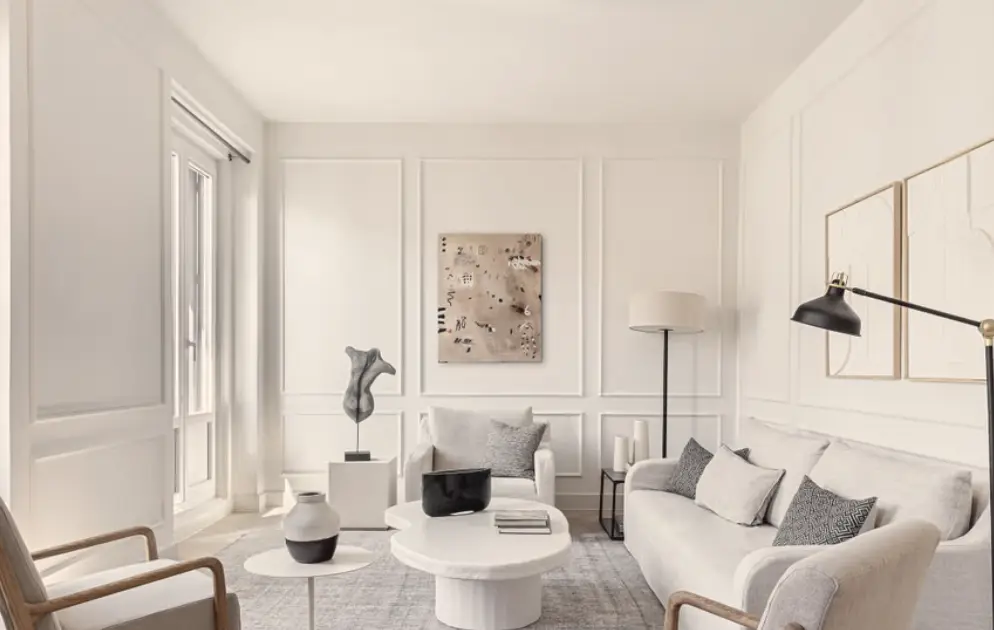
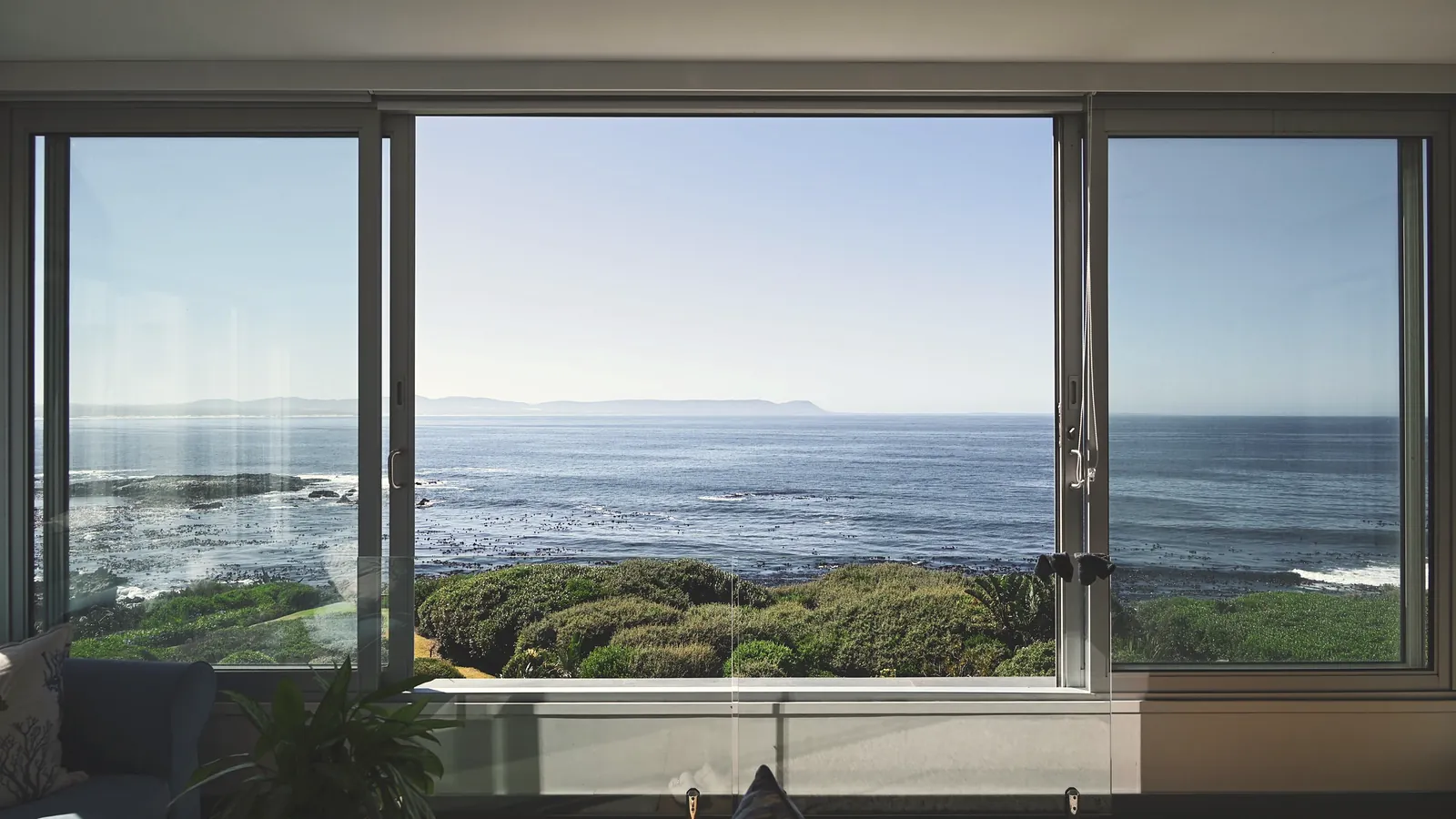
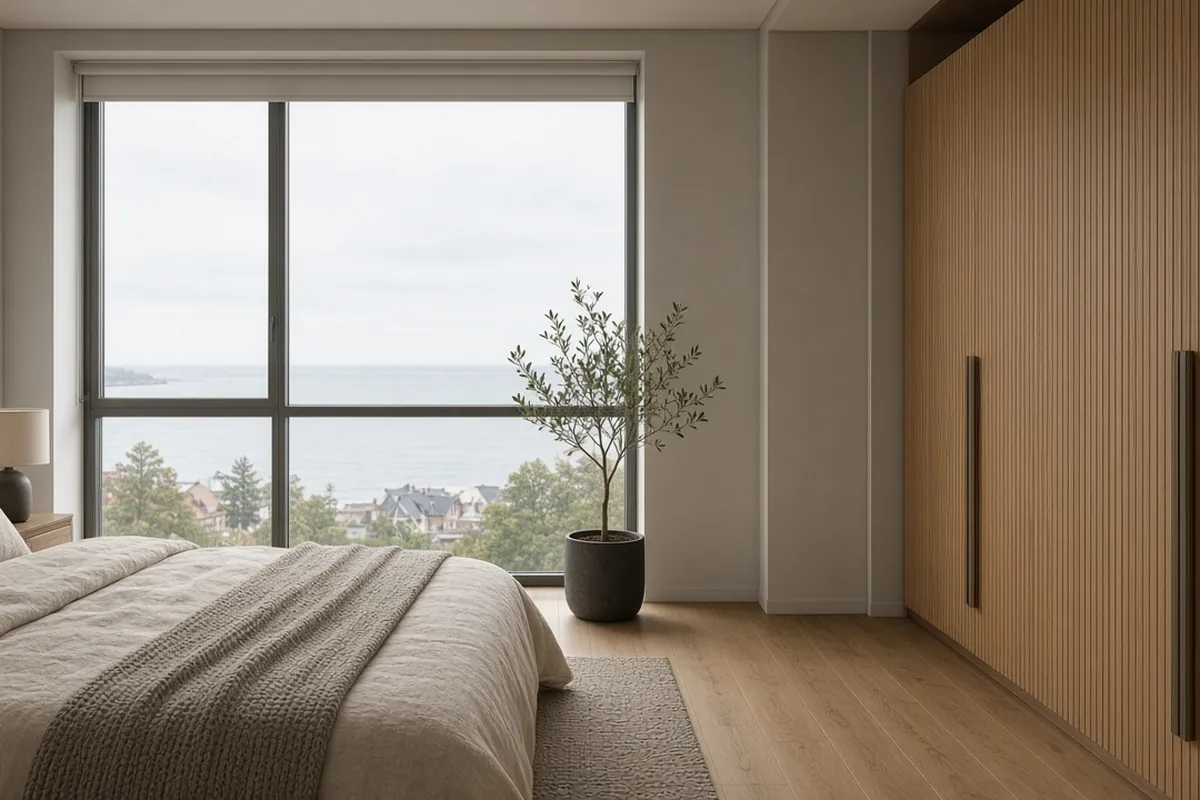
Layout, light, storage, kitchen and bathrooms. In a sea-view apartment, the view is the main character: we orient seating, keep window zones free and choose a calm palette – sand, stone, white oak – that does not compete with the landscape.
4. Execution
Installations first, then walls, floors, joinery and fixtures. Regular site visits keep quality consistent.
5. Finishing and styling
Lighting, textiles, art and the final details that make an apartment feel like a home rather than a project.
Holiday and investment apartments
Many apartments in Sopot and Gdańsk are second homes or short-term rentals. They need:
- hard-wearing surfaces and easy-care fabrics,
- generous storage for owners’ belongings,
- simple, intuitive lighting and controls,
- good acoustics, because guests come and go at different hours,
- a timeless interior that photographs well.
If you are still choosing a property, our guide to premium apartments in Gdańsk and Sopot explains what to look for.
Timeline and budget
We do not publish prices or fixed timelines, because every apartment and building is different. The main factors are the condition of the building, the scope of installation works, heritage requirements, custom joinery and the availability of materials. The season matters too: in summer, building rules in resort areas may limit noisy works – check them early.
Managing the project from abroad
The Tricity attracts owners from all over Poland and Europe. Remote renovation works when you have one coordinator, a shared schedule, photo and video reports, samples sent for approval and clear rules for changes. For a calm, consistent interior style, see also our article on quiet luxury interior design.
Checklist before you start
Gather these points before the first meeting – they make every later decision faster:
- The building type and whether it is under heritage protection,
- A technical survey, including damp and ventilation,
- The community rules on works and seasonal restrictions,
- Your planned use: permanent home, second home or rental,
- Photos of original details worth keeping,
- A schedule that avoids noisy works in high season.
Common mistakes to avoid
- Ignoring ventilation. New, tight windows without adequate ventilation are a common cause of condensation in coastal apartments.
- Wide solid floorboards near the sea. They can move with seasonal humidity; engineered boards are usually more stable.
- Removing original details. In historic and modernist buildings, original doors, terrazzo or balustrades are part of the value. Restore before you replace.
- Forgetting the neighbours. Shared buildings have rules on working hours and common parts; informing the administration early avoids conflicts.
- Designing only for the view. A sea view is wonderful, but a home also needs storage, privacy in the evening and good artificial light for the long northern winter.
- Planning noisy works for July. In resort areas, peak-season restrictions can stop the site at the worst moment.
A short survey and a realistic schedule at the start solve most of these issues before they become expensive.
Frequently asked questions
Do I need permission to renovate an apartment in a historic building? Interior works often do not, but buildings or areas under protection can have specific requirements, especially for windows, facades and common parts. Check with the heritage authority and the building administration before you begin.
Which flooring works best by the sea? Engineered oak is a good all-round choice; stone or porcelain in entrances and bathrooms. Proper ventilation matters as much as the material.
Can works be done in summer? Often yes, but resort areas and buildings may restrict noisy works in high season. Plan the noisiest stages outside the summer peak.
Can you renovate an apartment I rent out? Yes. We plan the works between bookings where possible and prepare the apartment for new photos at the end.
Do you work in Gdynia and Sopot as well as Gdańsk? Yes, we work across the Tricity.
How we can help
Kaster Group offers luxury renovation and interior design in Gdańsk, Sopot and Gdynia, and in Warsaw. Write to info@kastergroup.eu or message us on WhatsApp: +48 798 203 356.