Turnkey apartment finishing in Warsaw: what it includes and how to plan it
· 6 min read · ES · Polski · Українська
Many new apartments in Warsaw are handed over in developer standard – bare walls, screeds and basic installations. Turning that shell into a finished home is a project in itself. A turnkey service means one team takes responsibility for design, works, materials and the final clean, so you receive keys to an apartment that is ready to live in or to rent.
Key takeaways
- “Turnkey” should be defined in writing: what is included, what is not, and who buys materials.
- Start the design before handover from the developer to save weeks.
- A technical design and a detailed schedule of finishes make quotes comparable.
- Plan installations first; finishes come last.
- A careful handover check with the developer protects your warranty rights.
What “turnkey” usually covers
There is no single legal definition of turnkey finishing, so the scope must be agreed contractually. A complete service typically includes:
- interior design and technical drawings,
- changes to electrical and plumbing points,
- walls and ceilings: plastering corrections, smoothing, painting,
- flooring, tiling and bathroom fit-out,
- doors, skirting and trims,
- kitchen and bespoke joinery,
- lighting and fixtures,
- final cleaning, and optionally furniture, textiles and styling.
If you are buying to rent, the package can also include furnishing and preparing the apartment for photos.
Developer standard vs. finished standard
Developer standard varies by project. Before planning, check what is already in place: underfloor heating or radiators, the position of sockets, the ventilation system, windowsills, the type of entrance door. Some developers offer paid layout changes before completion – if that option exists, using it is often cheaper than changing things later.
The most expensive change is the one made after the tiles are laid.
The process, step by step
1. Purchase and acceptance from the developer
Formal acceptance is the moment to note defects. A careful technical check of walls, windows, levels and installations, preferably with a specialist, gives you a list of issues for the developer to fix under warranty. For buyers from abroad, our guide to buying an apartment in Warsaw as a foreigner covers the legal side.
2. Design
Layout, lighting plan, kitchen, bathrooms, built-in storage, materials. The more precise the drawings, the fewer decisions on site.
3. Quotes and schedule
The technical design and a schedule of finishes allow contractors to price the same scope. Long-lead items – joinery, stone, imported tiles and lighting – should be ordered early.
4. Installations
Electrical, plumbing and ventilation changes come first, followed by any partition walls and screed corrections. This hidden stage decides the comfort of the finished home.
5. Finishes
Tiling, plastering corrections, painting, flooring, doors. Order matters: wet work first, then floors and joinery, then paint touch-ups.
6. Kitchen, joinery and fixtures
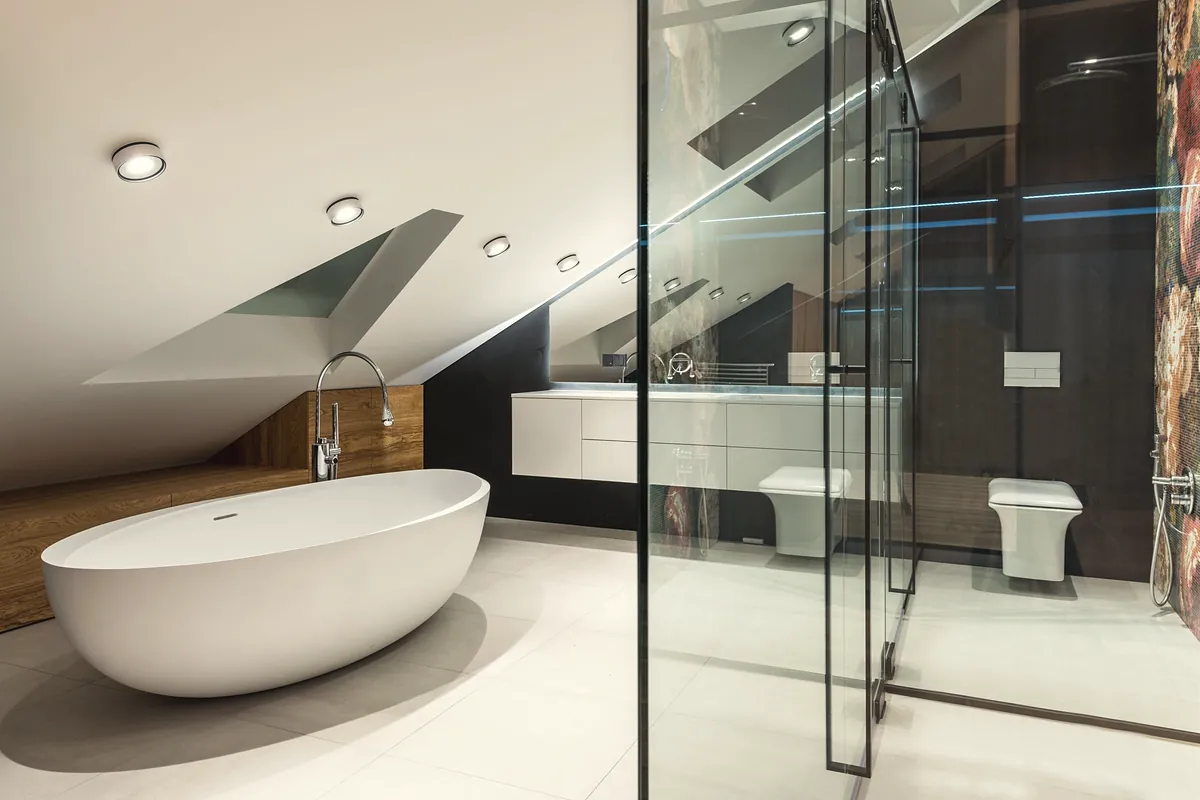
Bespoke furniture is measured on site after walls and floors are ready. Then come sanitaryware, lighting, sockets and switches.
7. Cleaning, snag list and handover
A final walk-through with a written snag list. Each item is fixed and signed off before the apartment is handed over.
Materials that age well
For a calm, high-end finish that lasts, we favour natural materials and simple details: engineered or solid oak flooring, honed stone or quality porcelain in bathrooms, mineral paints, concealed doors with flush frames, joinery with a consistent veneer. A restrained palette also makes a rental apartment appeal to a wider range of tenants.
Timeline: what to expect
Timing depends on the size of the apartment, the scope of installation changes, the availability of materials and how quickly decisions are made. What shortens it most:
- starting the design before receiving the keys,
- approving the full schedule of finishes before work begins,
- ordering joinery and stone early,
- a single team coordinating all trades.
Budget: how to keep it under control
We do not quote prices without seeing the apartment and the design. What helps keep costs predictable:
- a complete technical design (no “we’ll decide on site”),
- a fixed list of materials with exact product codes,
- a contingency reserve for the unexpected,
- clear rules for changes during the works.
Turnkey from abroad
Many buyers in Warsaw live elsewhere. Remote management works when there is a clear schedule, regular photo and video reports, online decisions on samples and a single contact person. Keys, deliveries and acceptance can be handled locally on your behalf, within the scope agreed in the contract.
If the apartment is in an older building rather than a new development, the process looks different – see tenement apartment renovation in Warsaw.
Checklist before you start
Gather these points before the first meeting – they make every later decision faster:
- The developer standard specification and handover date,
- A floor plan with installation points,
- Decisions on layout changes, if the developer still allows them,
- A target date for moving in or renting out,
- Who will buy materials – you or the contractor,
- The building rules on working hours and deliveries.
Common mistakes to avoid
- Ordering the kitchen too late. Bespoke kitchens and wardrobes often have the longest lead times; when they arrive late, the whole handover moves.
- Accepting the developer’s socket layout without checking it. Think about where the sofa, the bed, the desk and the television will stand before the electrician starts.
- Choosing tiles before the lighting. The same stone or porcelain can look completely different under warm or cold light.
- Skipping acoustic underlay. In apartment buildings, footfall noise is one of the most frequent complaints between neighbours.
- No contingency. Even in a new apartment, small surprises appear – uneven walls, levels to correct, a missing ventilation duct.
- Unclear decision-making. If two people must approve every choice, agree who has the final word on which topics.
Avoiding these points rarely costs more; it simply requires decisions to be made in the right order.
Frequently asked questions
Can I choose the materials myself? Yes. The designer prepares a selection; you approve each item or propose alternatives. The final list becomes part of the contract.
Is furniture included? It can be. Built-in joinery is usually part of the scope; loose furniture, textiles and styling are optional.
Who buys the materials? Either the contractor or you. When the contractor buys, coordination is simpler; when you buy, you keep direct control. Agree it in advance.
Can I change the layout of a new apartment? Often yes, within the limits of the structure, installations and the building rules. Some changes may require consultation with the developer or the housing community.
What does handover look like? A joint walk-through, a written snag list, corrections and a final protocol – plus manuals and warranty documents for installed equipment.
How we can help
Kaster Group handles turnkey finishing and luxury renovation with interior design in Warsaw and Gdańsk – from developer standard to a home that is ready to live in. Write to info@kastergroup.eu or message us on WhatsApp: +48 798 203 356.