Renovation Rules in Poland: Housing Community and Permits Overview
· 6 min read · Polski · ES · Українська
In Poland, renovation rules depend on the scope. Cosmetic work usually needs no formalities, but structural changes, facade changes and some installation works can require a permit, a notification or approval from the housing community. This is a general overview, so always check with the building administrator and a qualified professional.
Key takeaways
- Painting, flooring and replacing fixtures usually need no formal approval, but building rules still apply.
- Changes to load bearing walls, facades, windows seen from outside, gas and chimney systems usually involve formalities.
- The housing community or cooperative may have its own rules about working hours, noise, waste and use of common areas.
- Always ask the building administrator and a qualified professional before you start.
- This article is a general overview and not legal advice.
Do you need permission to renovate an apartment in Poland?
It depends on what you plan to change. Many cosmetic works, such as painting, replacing floors, changing the kitchen units or renewing bathroom fittings, do not usually require a permit. Larger changes may require a notification to the authorities, a building permit or the approval of the building owner, the cooperative or the housing community.
Rules change, and practice varies between buildings and districts. This overview is for orientation only. Check the current rules with the competent office, the building administrator and a qualified architect or lawyer. The order in which formalities and works are carried out is explained in our guide to the order of works in an apartment.
What usually needs no formalities?
Typical examples that owners often carry out without formal permits include:
- Painting and decorating.
- Replacing floors, skirting boards and internal doors.
- Replacing kitchen units and appliances.
- Replacing sanitary ware without changing the layout of risers.
- Replacing sockets and lights, provided the work is done by a qualified electrician.
Even these works are subject to building rules, such as working hours and rules on waste, and to the technical standards for installations. Always use qualified trades for electrical, gas and water works.
Which works can require a notification or permit?
| Type of work | Why it is sensitive | What to do |
|---|---|---|
| Moving or removing walls | May be load bearing or part of fire separation | Get an opinion from a structural engineer and ask about permit or notification |
| New openings in walls | Affects structure | Same as above |
| Changes to windows or balconies | Affect the facade and often the common property | Ask the building owner and check local rules |
| Changes to gas installations | Safety risk | Use a licensed installer and follow the rules |
| Changes to chimneys and ventilation | Affect safety and neighbours | Ask the administrator and a qualified professional |
| Changes of use of a room or apartment | May require formal changes | Check with the competent office |
| Changes to heritage buildings | Subject to conservation rules | Contact the conservation office before planning |
What does the housing community decide?
In multi apartment buildings, owners form a housing community or belong to a cooperative. Common parts include the structure, roof, facade, staircases, risers and often windows seen from the outside. Rules on renovation, working hours, noise, waste, lift use and parking are set in building regulations or resolutions.
Before you start, ask the administrator for the building rules, the contact for emergencies and information on risers, shared installations and deadlines for notifying works. Tell neighbours in advance. This reduces conflict and delays. For a broader view of owners’ responsibilities, see our guide to due diligence when buying property in Poland.
What about tenement and heritage buildings?
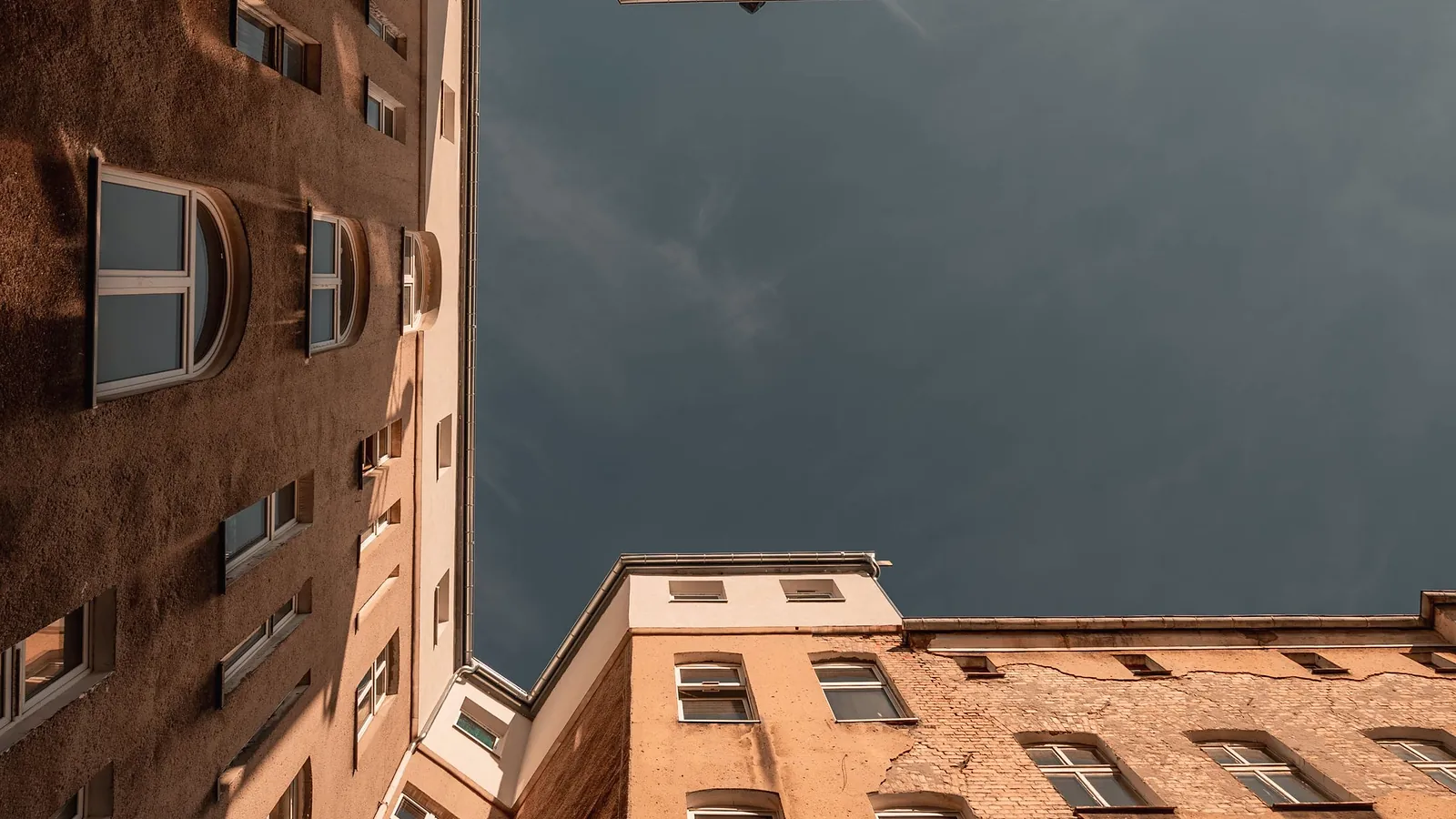
Older buildings often have special features: wooden beams, shared courtyards, decorative facades and historical windows. In some cases, buildings or districts are protected, and external changes need approval from conservation authorities. Even inside, some elements may be protected. Ask the administrator and the conservation office whether the building has a protected status before you design changes. Our article on renovating a tenement apartment in Warsaw explains typical challenges.
What should you prepare before the works?
- Documents. Gather the ownership documents, floor plans and building rules.
- Survey. Ask a designer or engineer to check the structure, installations and walls that you plan to change.
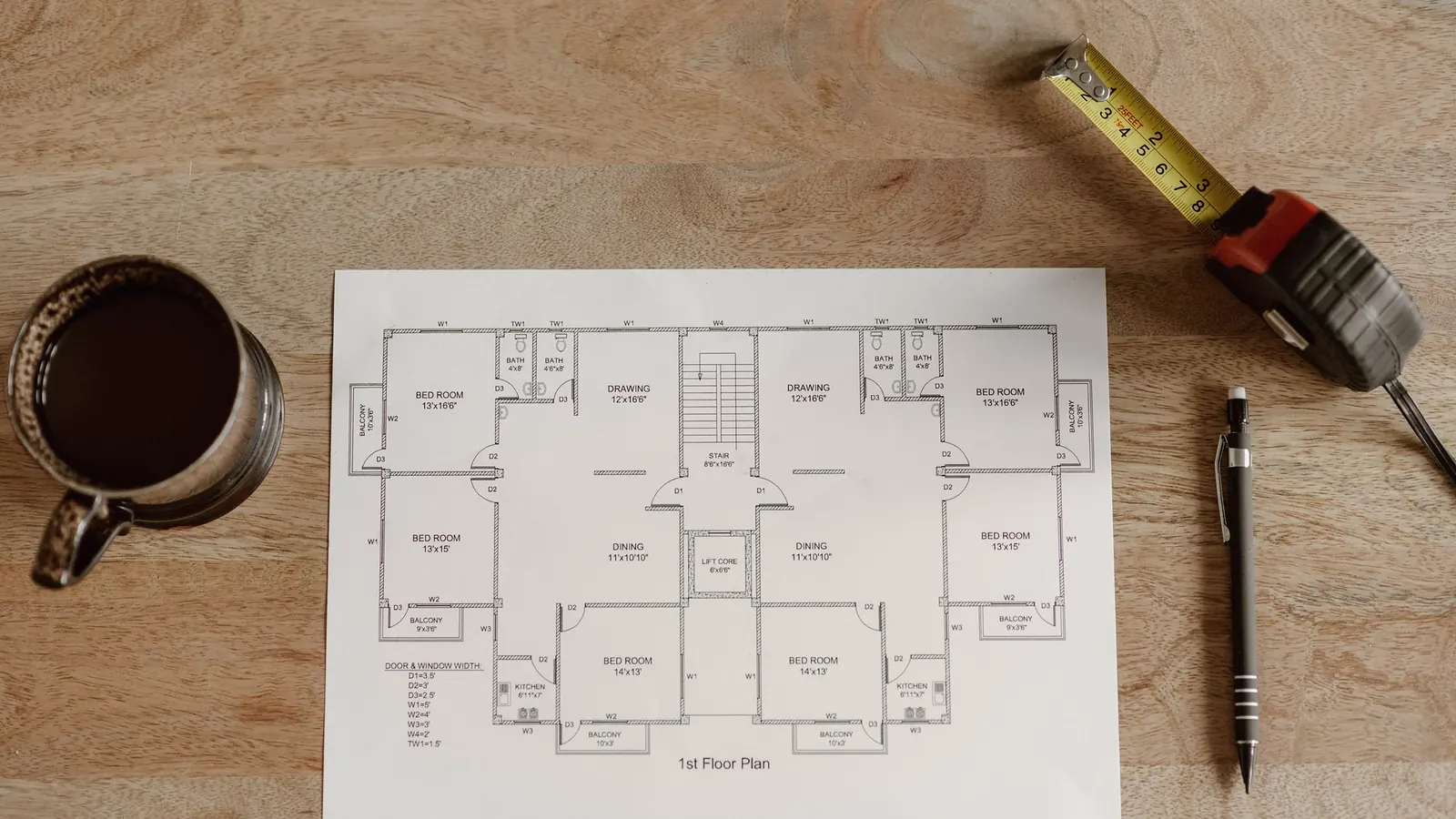
- Design. Prepare drawings that show the scope, including installations.
- Formalities. Check whether a notification, a permit or an approval is needed.
- Neighbours and administrator. Inform them about the dates and the working hours.
- Contractor. Use qualified trades with documents, insurance and a written contract.
Who is responsible for compliance?
The owner of the apartment is usually responsible for ensuring that works comply with the law and building rules, even if a contractor carries them out. Responsibilities can be shared by contract, but you should not assume that a contractor will take care of formalities unless this is in writing. Ask who prepares documents, who submits notifications and who is responsible for permits.
What are the risks of ignoring the rules?
Unauthorised changes can lead to orders to restore the previous state, penalties, problems when selling the apartment, difficulty obtaining insurance payouts and conflict with neighbours. They can also create safety risks, particularly when walls, gas or electrics are involved. A buyer’s lawyer will often ask about changes made, so it is better to have documents ready.
What practical rules apply during works?
- Respect the working hours in the building rules.
- Protect lifts, stairs and common areas.
- Remove waste on time and do not leave it in common areas.
- Keep noise and dust under control.
- Have a contact person on site and give the administrator their number.
- Keep documentation of the works for future reference.
Frequently asked questions
Can I remove a wall in my apartment in Poland?
Only after checking whether the wall is load bearing or has another structural role. Ask a structural engineer, and ask about the formalities. Do not start without a qualified opinion.
Do I need the approval of the housing community?
For works affecting common property, such as the facade, risers or structure, you usually need approval. Even for internal works, there may be rules on hours and waste. Ask the administrator for the regulations.
Who should I ask for advice about the rules?
Start with the building administrator, then a qualified architect or structural engineer, and a lawyer for legal questions. This article is a general overview and does not replace professional advice.
How Kaster Group can help
If you are planning a renovation in Poland and want to understand which steps come first, we can help you plan the project and coordinate with the right professionals.
Kaster Group offers interior design and luxury renovation in Warsaw and Gdańsk, as well as in Madrid, Marbella and Tenerife, from the first sketch to the final styling.
The Spanish group behind Kaster has more than 10 years of experience in the real estate sector in Spain.
To talk about your project, write to info@kastergroup.eu or visit the Kaster Group studio page.
This article is general information, not legal or tax advice. Rules change; always confirm your situation with a notary, lawyer or tax adviser.