Gdańsk and the Tricity: Investing in Property by the Sea
· 6 min read · Polski · ES · Українська
Gdańsk, Sopot and Gdynia form the Tricity, a coastal area linked by a fast urban railway. It mixes year round residents with seasonal visitors. Look at the building type, the distance from the water, the noise and the rules of the housing community before you think about returns, which cannot be promised.
Key takeaways
- The Tricity combines a historic port city, a seaside resort and a modern harbour town.
- Demand mixes residents, workers and seasonal visitors, so the rhythm of the year matters.
- Waterfront and historic buildings need checks on structure, humidity, noise and flood exposure.
- Short term letting depends on building and local rules, which can change.
- Renovation potential is a main theme, but it needs a realistic budget and reserve.
What is the Tricity and why does it attract buyers?
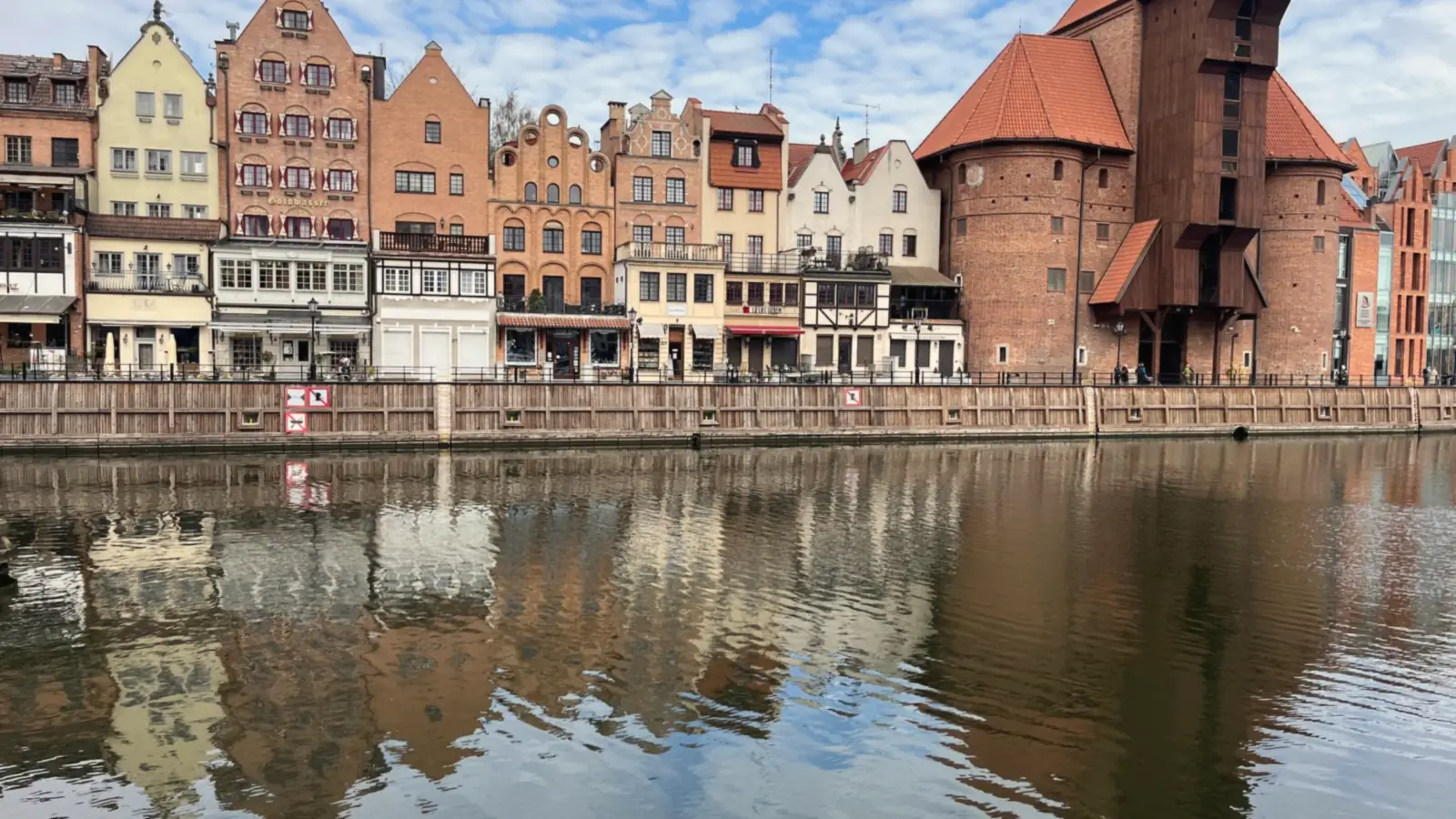
The Tricity consists of Gdańsk, Sopot and Gdynia, three cities on the Baltic coast that function as one urban area. Gdańsk has a historic centre and a waterfront. Sopot is a seaside resort with a pier and a lively summer season. Gdynia is a modern port city with interwar architecture.
Buyers are drawn by the sea, by the quality of life and by the combination of city services and nature. Because the three cities are connected by a fast urban railway, a home in one can serve work or leisure in another. This article is qualitative and quotes no prices or returns.
| City | Character | What buyers often look for |
|---|---|---|
| Gdańsk | Historic city, river and waterfront, new districts | Renovated period buildings, riverside apartments, new developments |
| Sopot | Seaside resort, smaller scale, strong summer season | Apartments near the beach and the centre, premium locations |
| Gdynia | Modern port city, interwar buildings, marina | Calm residential districts, sea views, practical locations |
How does demand work through the year?
Near the sea, demand has a rhythm. In the warm months, visitors fill the resort areas, and short term letting can be attractive in principle. In the rest of the year, demand comes from residents, workers and students. A property in a seasonal location can feel quiet in winter, so ask what the building and the street look like outside the summer.
Seasonal demand also brings noise and crowds, which some owners enjoy and others dislike. If you plan to live in the apartment yourself, visit in different seasons. Compare with other cities in our article on Warsaw, Kraków and Gdańsk for investors.
Which building types will you meet?
- Restored historic houses and tenements, often with character and high ceilings, and often with technical challenges.
- Interwar buildings, especially in Gdynia, with modernist architecture and practical layouts.
- Post war blocks, usually practical and more affordable in relative terms, with community charges to check.
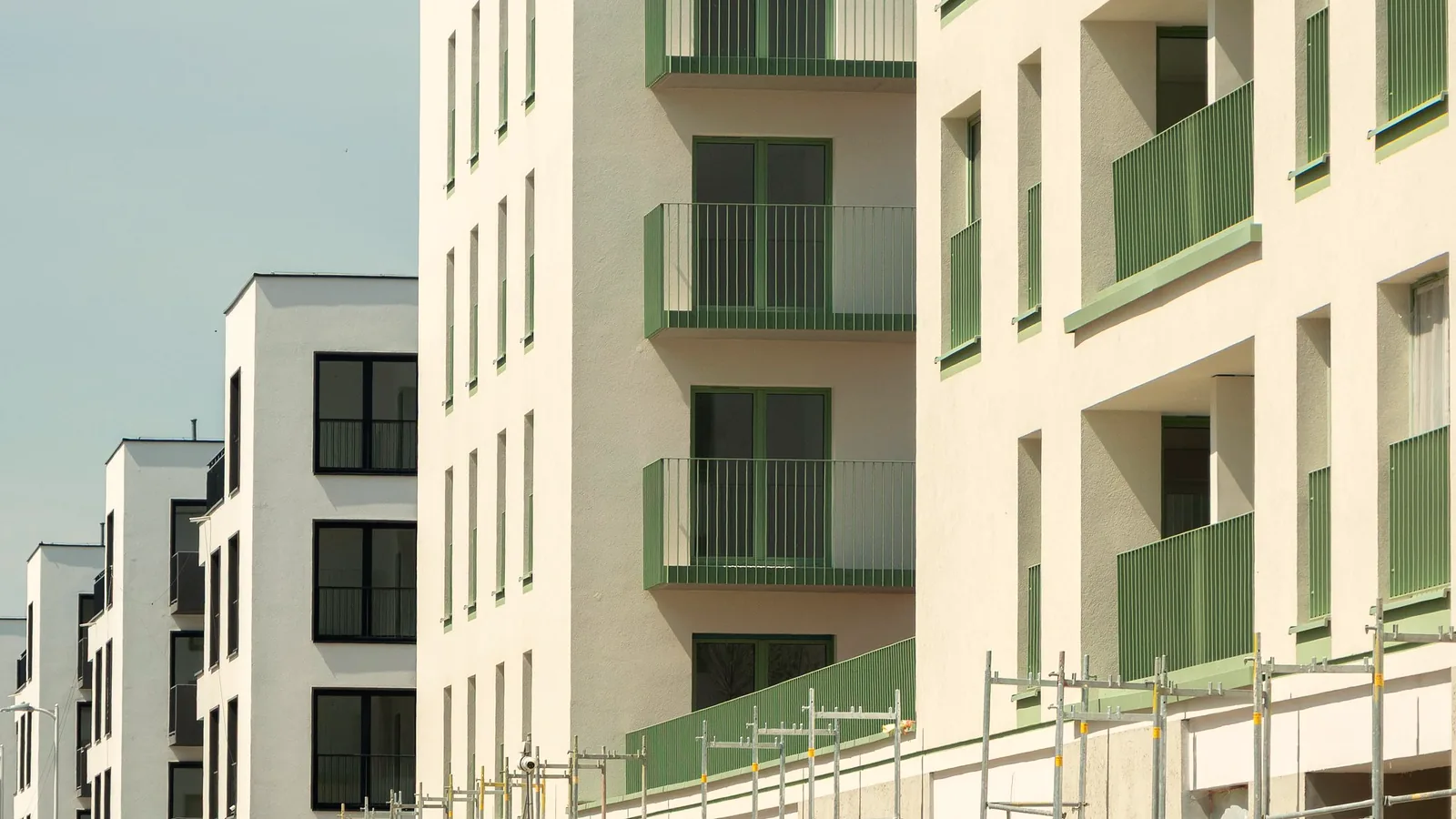
- New developments, with modern standards, parking and amenities, bought under developer protections.
For the high end of the market, read our overview of premium apartments in Gdańsk and Sopot.
What should you check near the water?
Waterfront locations are attractive but need extra attention.
- Flood and groundwater exposure. Ask about the history of the area and the building’s protections.
- Humidity and ventilation. Salt air and humidity affect finishes and installations.
- Noise. Check traffic, nightlife, railway and port activity at different times.
- Facade and balcony condition. Wind and weather wear exteriors faster.
- Parking. Seasonal pressure can make parking scarce.
- Views and future development. Ask what could be built nearby.
Our due diligence checklist for Poland covers documents, and these local checks complement it.
How do letting rules affect the plan?
Letting can be long term, seasonal or short term. Long term letting is often simpler to plan, because it depends less on regulation and season. Short term letting to visitors depends on building rules, community resolutions and local regulation, which differ by city and building and can change. Always ask for written confirmation of what is allowed, and consider a local adviser. Do not assume that a neighbour’s use of the building is a right for you.
Seasonal letting needs management: cleaning, key handovers, guest communication and maintenance between guests. A local manager is often necessary for non resident owners. Our article on rental yield, gross and net explains why net figures matter more than headline rents.
Where does renovation fit in?
Many buyers in the Tricity are attracted by apartments that need modernisation. Renovation can improve layout, insulation, installations and finishes, and can adapt a property to the intended use. It also brings risk: older buildings reveal surprises, and approvals may be needed for facades and windows in historic areas.
We cover this theme for the Tricity in our guide to apartment renovation in Gdańsk, Sopot and Gdynia. Plan a budget with a reserve, ask for written quotes and agree a schedule before you buy, not after.
What are the typical mistakes?
- Buying for summer income without checking the rules and the winter reality.
- Ignoring noise, humidity and flood questions near water.
- Underestimating the cost and time of renovation.
- Not reading the housing community resolutions and the cost of upkeep.
- Treating the three cities as identical, although each has a different character.
How can you shortlist an apartment?
Start with the use: personal, long term letting or seasonal. Choose one of the three cities and two or three districts. Visit in different seasons and at different times. For each candidate, collect the land register extract, the community documents and the technical history of the building. Compare the total cost, including renovation, taxes and management. Ask a notary and a lawyer to review the preliminary agreement.
Frequently asked questions
Is Gdańsk or Sopot better for buyers?
It depends on the use. Sopot is a smaller resort with a premium character and strong seasonal activity. Gdańsk is larger, with more variety of buildings and districts. Visit both before you decide.
Can I let an apartment in the Tricity to tourists?
Often yes in principle, but it depends on the building, the housing community resolutions and the local regulations. Confirm the position in writing before you buy, because rules can change.
Is renovation worth it in the Tricity?
It can be when the layout, the installations or the finishes limit the use of the apartment. It needs a realistic budget, a survey and approvals where required. No outcome can be promised.
How Kaster Group can help
Kaster Group works from Warsaw with buyers from Europe and beyond, and supports the search, the coordination with a notary and a lawyer and, if the apartment needs it, the renovation by one team. The Spanish group behind Kaster has more than 10 years of experience in the real estate sector in Spain.
If you own an apartment in Warsaw and want a quick first reference for its market range, you can ask for a free indicative valuation. It is an estimate, not a formal appraisal. Write to info@kastergroup.eu.
This article is general information, not legal or tax advice. Rules change; always confirm your situation with a notary, lawyer or tax adviser.