Renovating a tenement apartment in Warsaw: where to start and how to plan it
· 5 min read · ES · Polski · Українська
For many people, an apartment in a pre-war tenement building is a dream: high ceilings, large windows, plaster mouldings, wooden floors and a character no new building can reproduce. Renovating such an interior, however, calls for a different approach from fitting out a developer’s apartment. Below are the key steps, in the order worth taking them.
1. Start with the technical condition
Before the first sketch, you need to know the state of the apartment and the building. Typical issues in older tenements include:
- old electrical and plumbing installations, often in need of full replacement,
- timber floor structures, whose condition should be assessed before planning heavy built-ins or stone floors,
- uneven walls and floors that need careful preparation,
- valuable windows and doors that are often better restored than replaced.
It is good practice to inspect the apartment with a structural engineer or an experienced site manager. They will tell you what is possible and what needs further analysis.
2. Check whether the building is a listed monument
This is one of the most important questions. If the tenement is entered in the register of monuments, construction work requires a permit from the regional heritage conservator (wojewódzki konserwator zabytków) – this follows from Article 36 of the Polish Act on the Protection and Care of Monuments. The procedure is described on biznes.gov.pl.
In practice, establish this at the very beginning, because it affects both the scope of possible changes (windows, decorative elements, wall layout) and the schedule. A building may also be included in the municipal register of monuments or lie in an area protected by the local zoning plan – check that too.
The best tenement renovations don’t fight the building. They bring out what is most valuable in it and add modern comfort where it is missing.
3. Talk to the housing community or building manager
A renovation in a tenement affects more than your apartment. Replacing risers, work on load-bearing walls, installing air conditioning on the façade or changes to common areas usually require the consent of the housing community (wspólnota) or the manager. Learn the house rules too: working hours, use of the staircase and lift, protection of common areas and removal of debris. Good relations with neighbours save a lot of stress.
4. Design: layout, light and proportion
Tenements offer exceptional possibilities: the ceiling height allows for mezzanines, deep built-ins and calm, symmetrical layouts. A good interior design:
- organises the functional layout (often joining the kitchen with the living area),
- hides installations and technology in bespoke joinery,
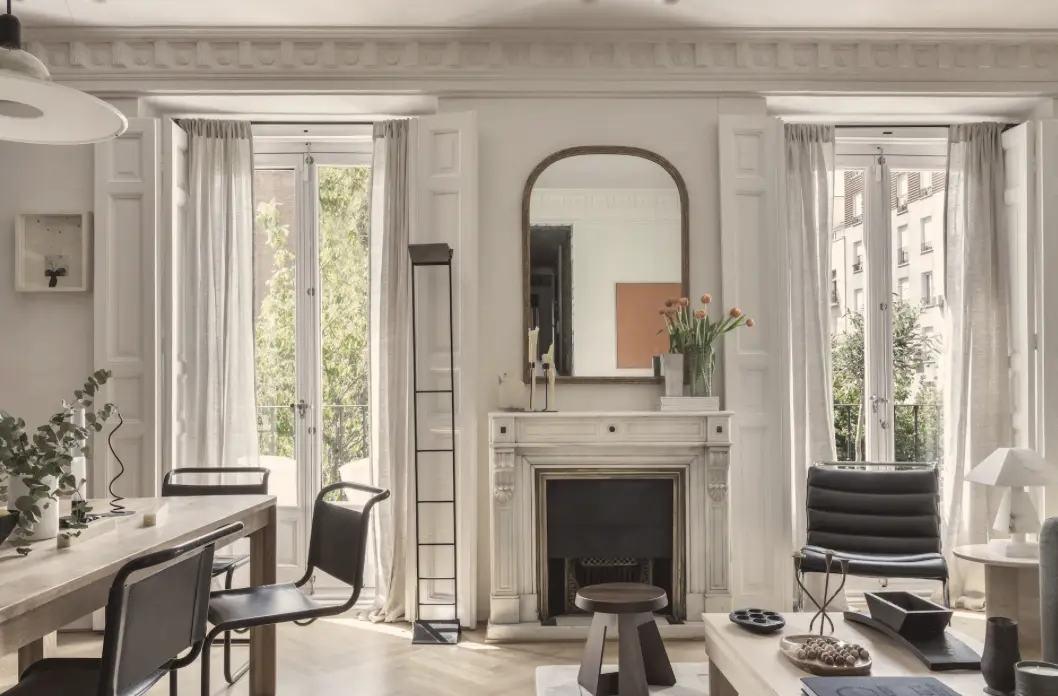
- respects original details – mouldings, doors, parquet – and pairs them with contemporary materials,
- plans lighting in layers: general, task and decorative.
This is also when a detailed budget and schedule are prepared. The more precise the construction drawings, the fewer surprises on site.
5. Installations and acoustics
These are invisible after the renovation, yet they define comfort. In old buildings, the following matter most:
- a new electrical installation with capacity for home automation and lighting,
- new water and drainage connections in bathrooms and the kitchen,
- acoustic insulation of floors and party walls,
- ventilation – especially after windows have been replaced or sealed.
6. Materials that age well
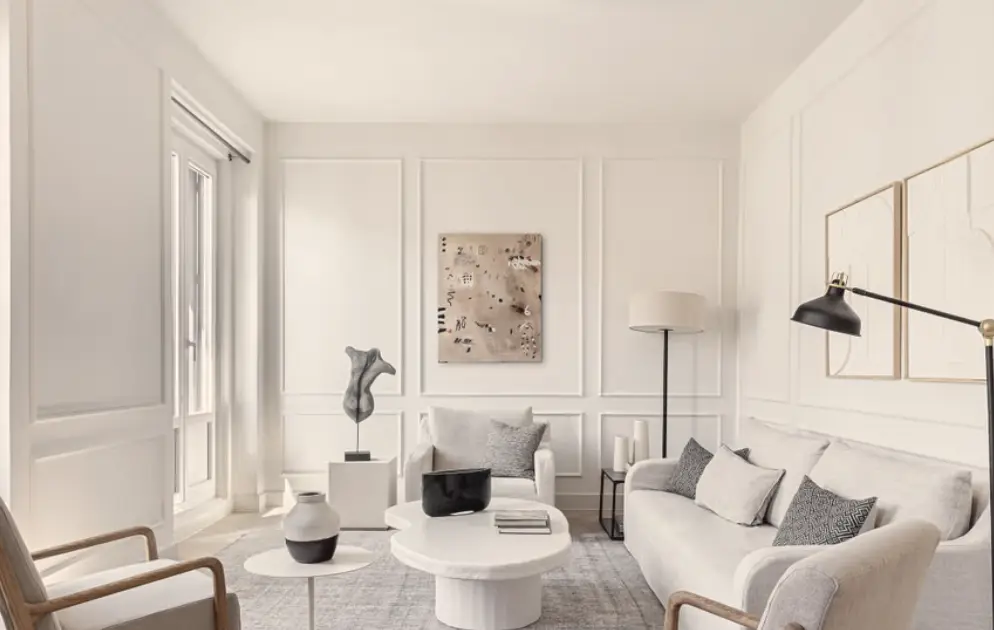
Natural materials work beautifully in a tenement: oiled oak, stone, lime plaster, linen. They age with dignity and suit the historic character of the interior. Rather than following passing trends, choose a coherent, calm palette and quality of execution.
7. Execution and supervision
Renovating a tenement apartment is a job for an experienced team and good supervision. Regular site meetings, photo documentation and a clear division of responsibilities keep quality and deadlines on track. For owners who don’t live locally, one thing is essential: a single point of contact who knows the whole project.
8. Handover and styling
Finally comes the handover, snagging, and then furniture, textiles and decoration. If the apartment is going to be let or sold, professional styling and a photo shoot help show its potential.
Frequently asked questions
How long does a tenement renovation take? It depends on the scope of work, the condition of the building and the formalities. A complete renovation with new installations and interior design usually takes several months, and if a conservator’s permit is needed, add the time to obtain it. A realistic schedule can be set after the survey and technical assessment.
Do I always need the heritage conservator’s consent? No. A permit from the regional heritage conservator is required for work on a monument entered in the register – the rules are described on biznes.gov.pl. Buildings in the municipal register of monuments or in protected areas may be subject to other requirements. It is best to check the building’s status before buying or before starting the design.
What should be kept and what replaced? It is usually worth saving what gives the tenement its character and responds well to restoration: mouldings, wooden floors, doors and tiled stoves. Electrical and plumbing installations usually need replacing, and often the windows too – keeping divisions and proportions in line with the character of the building.
How do I improve acoustics? Timber floor structures in old tenements carry sound. Floating floors on acoustic layers, ceilings suspended on anti-vibration hangers and carefully sealed service penetrations all help. Solutions are chosen after the floor structure has been assessed.
Can I manage the renovation while living abroad? Yes, as long as you have one project coordinator who reports progress regularly, sends photos and consults decisions with you. Many steps – choosing materials, approving the design – can be handled remotely.
How we can help
At Kaster Group we combine luxury renovation with interior design and, if you are still looking for an apartment, with advice on buying premium property. One team runs the project from the technical assessment to the handover of keys.
This article is general information, not legal advice. Always confirm the details with an architect, the heritage conservator or a lawyer.