Buying a luxury apartment in Warsaw as a foreigner: a step-by-step guide
· 6 min read · ES · Polski · Українська
Warsaw has become one of the most interesting residential markets in Central Europe. For international buyers – expats relocating for work, investors, or families looking for a second base – the city offers a mix of pre-war tenement buildings, modern towers and quiet residential districts. Buying here is straightforward once you understand the steps. This guide walks you through them in the order they usually happen.
1. Check whether you need a permit
The first question most foreign buyers ask is whether they are allowed to buy at all. The short answer: for an apartment, usually yes, without a permit.
Polish law requires foreigners from outside the European Economic Area and Switzerland to obtain a permit from the Minister of the Interior to acquire real estate. However, the same act lists exceptions, and the most important one for residential buyers is the purchase of a samodzielny lokal mieszkalny – a self-contained apartment within the meaning of the Act on the Ownership of Premises. Citizens and companies from the EEA and Switzerland do not need a permit for any property. Different rules apply to houses with land, agricultural land and properties in the border zone.
You can read the official description of the procedure and its exceptions on the government portal biznes.gov.pl and on the Ministry of the Interior website. If you are buying a house or a plot, plan for the permit procedure before signing anything.
2. Define what “premium” means for you
“Luxury” in Warsaw covers very different products. Some buyers want a high floor with views in a new tower; others want a restored apartment in a pre-war building with high ceilings, original parquet and plaster details. Before you start viewing, write down:
- the districts that fit your daily life (schools, office, airport, green areas),
- the type of building (new development, renovated tenement, boutique building),
- non-negotiables such as light, outdoor space, parking or a lift,
- whether you are willing to renovate – often the best value is in an apartment with good bones and a dated interior.
The best apartments are often not the most finished ones, but the ones with the right proportions, light and building.
3. Search and shortlist
Premium apartments are not always publicly listed. Owners often prefer discreet sales, and good units can be reserved before they reach the portals. Working with a broker who knows the buildings – and can tell you which ones have well-run communities, solid technical condition and quiet neighbours – saves time and reduces risk.
When you view, look beyond staging. Check orientation and light at different times of day, noise from the street and neighbours, the condition of common areas, and how the layout could work after renovation.
4. Legal due diligence
Before you commit, the legal status of the property needs to be verified. In Poland, the key document is the land and mortgage register (księga wieczysta), which shows ownership, mortgages and other encumbrances. Your lawyer or notary will also check whether the seller has the right to sell, whether there are outstanding charges to the housing community, and whether the land is owned or held in perpetual usufruct.
For older buildings, ask about the building’s technical condition, planned repairs and whether it is listed as a monument – this affects what you can change during renovation.
5. Preliminary agreement and deposit
Most transactions start with a preliminary agreement (umowa przedwstępna) that fixes the price, timeline and conditions, together with a deposit. It can be signed in simple written form or as a notarial deed; the notarial form gives stronger protection. Read the clauses on what happens if either party withdraws.
6. Final notarial deed
Ownership of real estate in Poland is transferred by a notarial deed. The notary reads the deed aloud, so if you do not speak Polish you will need a sworn translator present. The notary also collects the applicable taxes and fees and files the application to update the land register.
Costs to budget for include the notary’s fee (the maximum rates are set by regulation), court fees for the land register entry and, on the secondary market, the tax on civil law transactions (PCC). According to the official tax portal, the PCC rate on the sale of real estate is 2% of the market value, paid by the buyer through the notary – see podatki.gov.pl. Purchases from a developer are usually subject to VAT instead. Always confirm your exact situation with your notary or tax adviser.
7. Plan the renovation before you get the keys
If the apartment needs work, the time between the preliminary agreement and the final deed is valuable. Use it to measure, design and prepare a budget, so that work can start as soon as you take possession. In tenement buildings, check the community’s rules on working hours, deliveries and changes to installations.
A renovation in a premium apartment typically includes new installations, acoustic improvements, bespoke joinery and a careful choice of materials. It is also the moment to adapt the layout to how you live.
8. Furnish, let or live
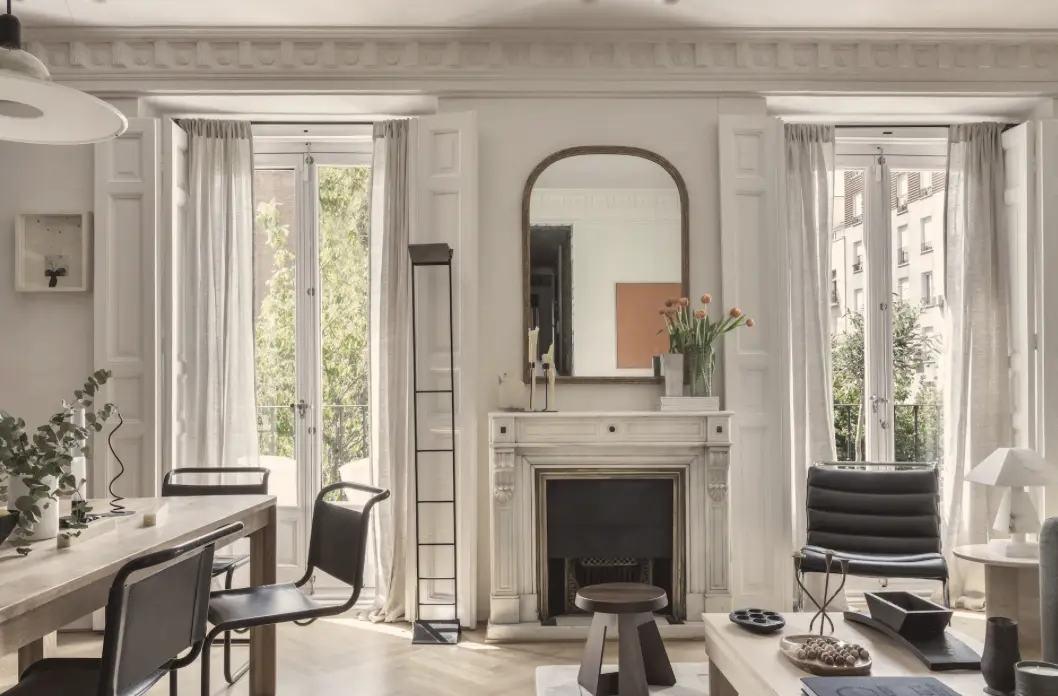
Once the work is done, you can move in, furnish for long-term letting, or prepare the apartment for resale. Each goal leads to different choices: a home for yourself can be personal; a rental needs durable, timeless materials; a resale benefits from neutral, well-photographed interiors.
Frequently asked questions
Do I need a permit to buy an apartment in Warsaw? Usually not. Citizens and companies from the EEA and Switzerland never need one, and buyers from other countries generally do not need a permit to buy a self-contained apartment. Houses with land, agricultural land and properties in the border zone follow different rules – see biznes.gov.pl.
What taxes and fees should I budget for? On the secondary market, the tax on civil law transactions (PCC) of 2% of the market value, collected by the notary, plus the notary’s fee and court fees for the land register entry. Purchases from a developer are usually subject to VAT instead of PCC. Confirm your exact costs with your notary or tax adviser.
Do I need to speak Polish? No, but the notarial deed is read in Polish, so a sworn translator must be present if you do not speak the language.
Can I buy from abroad? Many steps can be handled remotely, and a notarial power of attorney can allow someone to sign on your behalf. You will still want to see the apartment yourself, or have someone you trust inspect it, before committing.
When should I plan the renovation? Ideally between the preliminary agreement and the final deed. Measuring, designing and budgeting in that window means work can start as soon as you receive the keys.
How Kaster Group can help
We work in three disciplines that fit together naturally for foreign buyers: luxury real estate (search, selection and transaction support), renovation and interior design. One team can take you from the first viewing to the moment you receive the keys of a finished home.
This article is general information, not legal or tax advice. Rules change; always confirm your situation with a notary, lawyer or tax adviser.